chatgpt image jun 15, 2026, 11 47 06 am

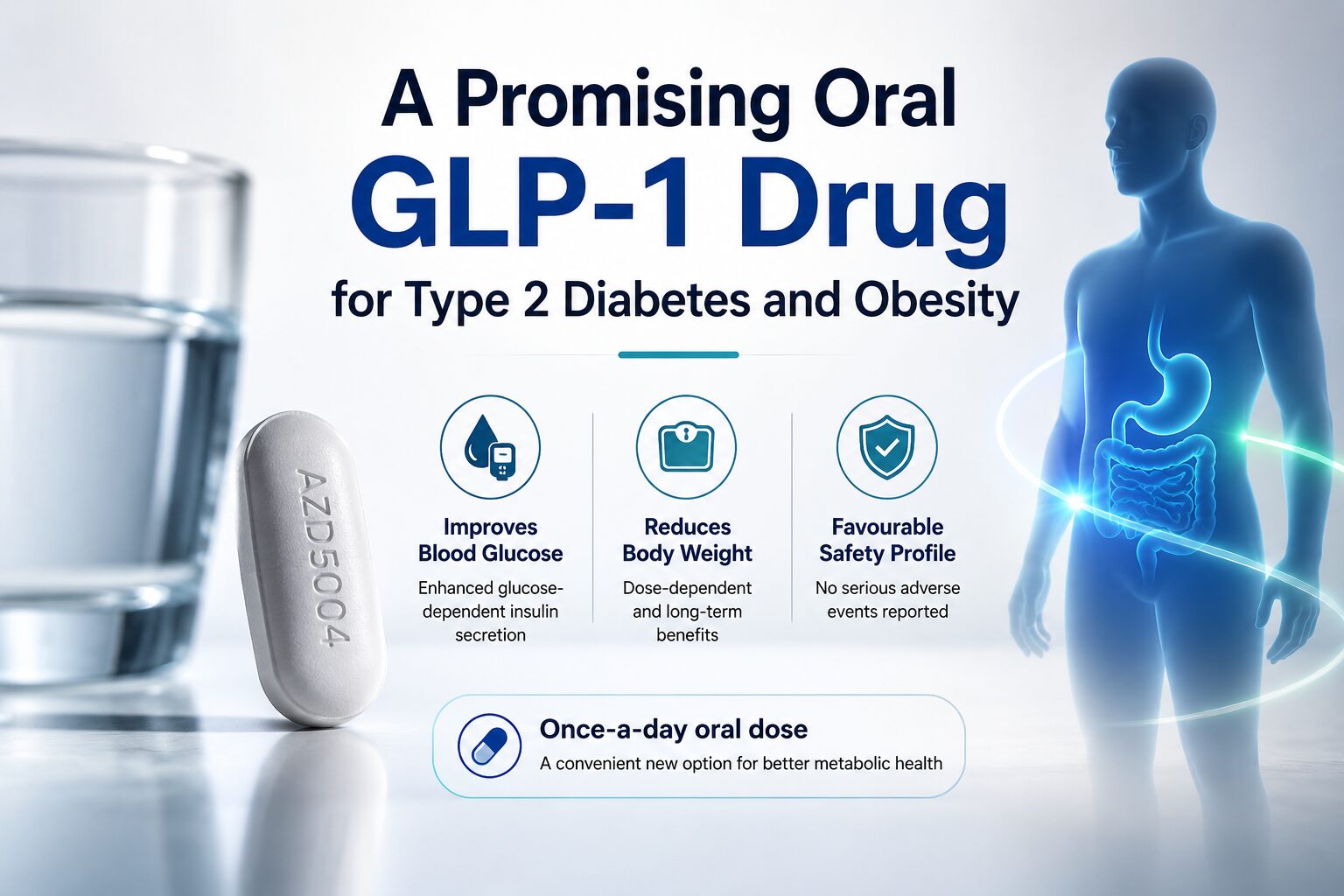
A Promising Oral GLP-1 Drug for Type 2 Diabetes and Obesity

Once a-day, daily oral dose of a novel small-molecule GLP-1 receptor agonist, AZD5004, has demonstrated promising potential for the treatment of type 2 diabetes and obesity. In a Phase I first-in-human study, the drug showed potent GLP-1 receptor activation, enhanced glucose-dependent insulin secretion, and dose-dependent reductions in blood glucose and body weight. Preclinical studies also revealed significant long-term weight-management benefits and a favourable safety profile. Importantly, no serious adverse events were reported in clinical testing, supporting the continued development of AZD5004 as a convenient and effective oral metabolic therapy.

A Promising Oral GLP-1 Drug for Type 2 Diabetes and Obesity Read More »

chatgpt image jun 12, 2026, 01 42 05 pm

The benefits of Green Spaces on children’s Quality of Life

Access to natural environments including parks, water bodies, and vegetation within 500 meters of children’s homes plays an important role in supporting children’s Health-Related Quality of Life (HRQOL). Research shows that these natural features are associated with improved physical, social, and overall well-being, particularly among urban and suburban children. The relationship between nature and well-being varies across urban, suburban, and rural communities. These findings underscore the importance of designing nature-friendly environments and policies that promote healthier lifestyles, child development, and long-term well-being.

The benefits of Green Spaces on children’s Quality of Life Read More »

Natural Bioherbicides

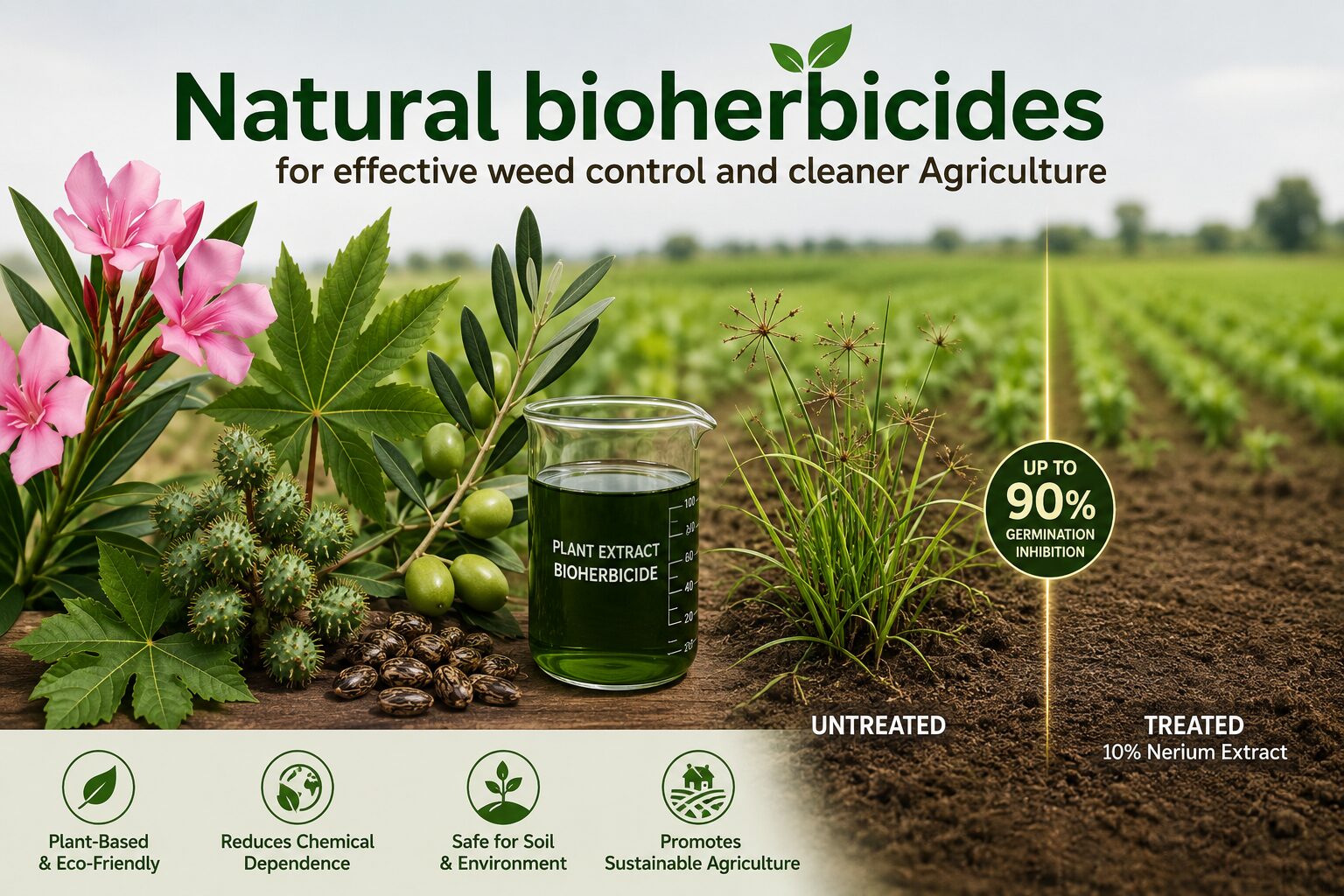
Natural bioherbicides for effective weed control and cleaner agriculture

Natural bioherbicides are emerging as promising eco-friendly alternatives to chemical herbicides for controlling Cyperus rotundus (purple nutsedge), one of the most persistent agricultural weeds. Aqueous leaf extracts of Nerium (Nerium oleander), Castor (Ricinus communis), and Olive (Olea europaea) at concentrations of 5%, 7.5%, and 10% have demonstrated significant weed-suppression potential. Among them, Nerium extract exhibited the strongest allelopathic effect, achieving up to 90% germination inhibition and complete suppression at a 10% concentration. These plant-derived bioherbicides can potentially reduce dependence on synthetic chemicals, minimize environmental pollution, and promote sustainable agricultural practices.

Natural bioherbicides for effective weed control and cleaner agriculture Read More »

Berberine-Probiotic Therapy

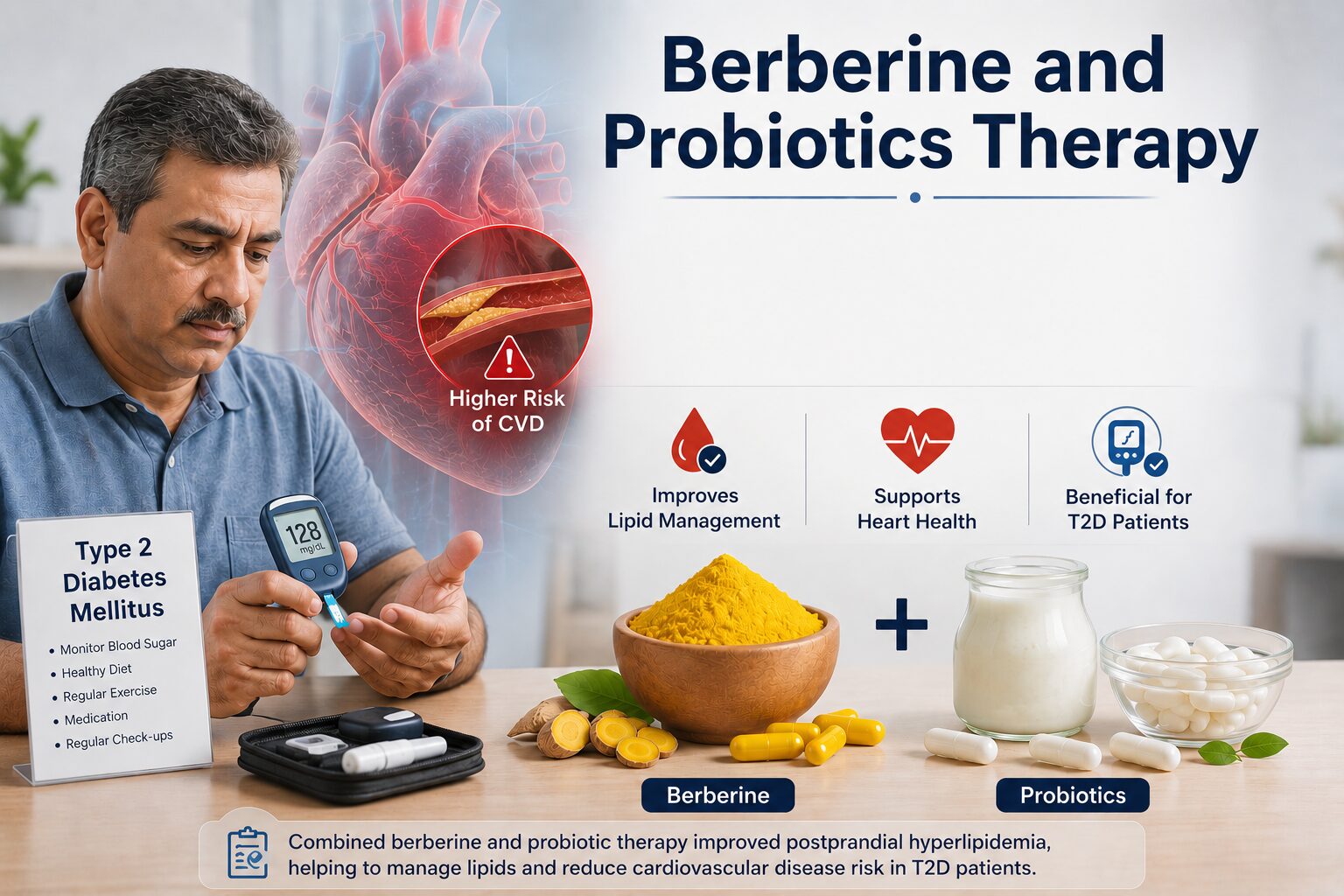
Berberine and Probiotics create a ‘Gut Lipid Sink’ to improve cholesterol profile & prevent CVD risk

A recent clinical study found that combining berberine (BBR) with probiotics significantly improved postprandial hyperlipidemia in newly diagnosed patients with Type 2 diabetes. After 12 weeks, the combination therapy reduced post-meal total cholesterol and LDL cholesterol more effectively than either treatment alone. Multi-omics analyses also revealed notable reductions in lipid metabolites, including free fatty acids and phospholipids. Bifidobacterium breve has been identified as a key contributor, with berberine enhancing bacterial genes involved in fatty acid metabolism. These findings highlight the potential of berberine-probiotic therapy to improve lipid management and reduce cardiovascular risk in T2D patients.

Berberine and Probiotics create a ‘Gut Lipid Sink’ to improve cholesterol profile & prevent CVD risk Read More »

chatgpt image jun 8, 2026, 10 50 50 am

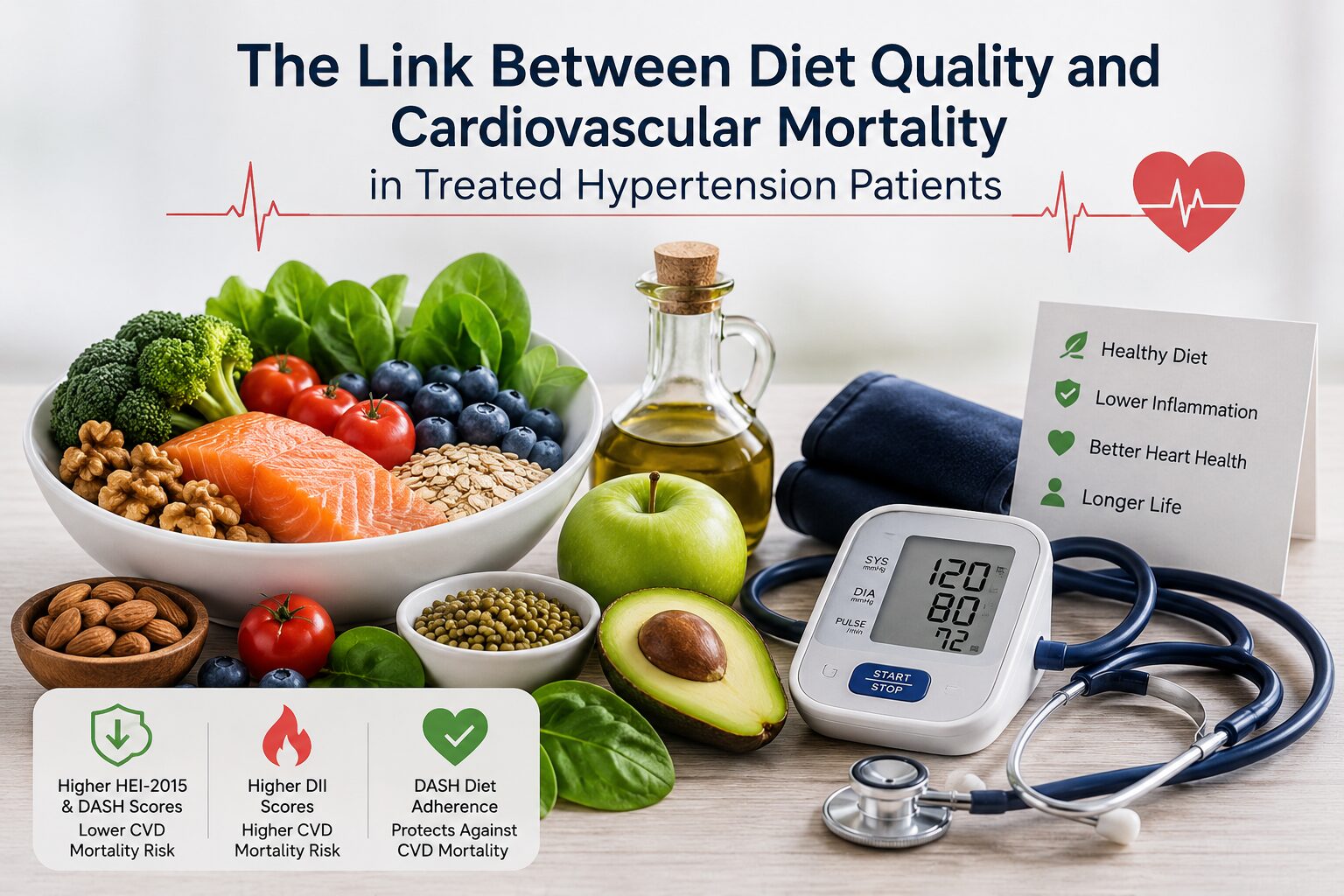
The Link Between Diet Quality and Cardiovascular Mortality in Treated Hypertension Patients

A 9-year evaluation of hypertensive patients receiving antihypertensive therapy, using Cox proportional hazards regression models, found that higher Healthy Eating Index-2015 (HEI-2015) and Dietary Approaches to Stop Hypertension (DASH) scores were associated with a lower risk of cardiovascular disease (CVD) mortality, whereas higher Dietary Inflammatory Index (DII) scores were linked to an increased risk. Diet quality was assessed using participants’ 24-hour dietary intake data. Notably, greater adherence to the DASH diet demonstrated protective trends against cardiovascular mortality. These findings highlight the critical role of healthy, anti-inflammatory dietary patterns in improving long-term cardiovascular outcomes among patients undergoing hypertension treatment.

The Link Between Diet Quality and Cardiovascular Mortality in Treated Hypertension Patients Read More »

Benefits of Psilocybin-Assisted Therapy

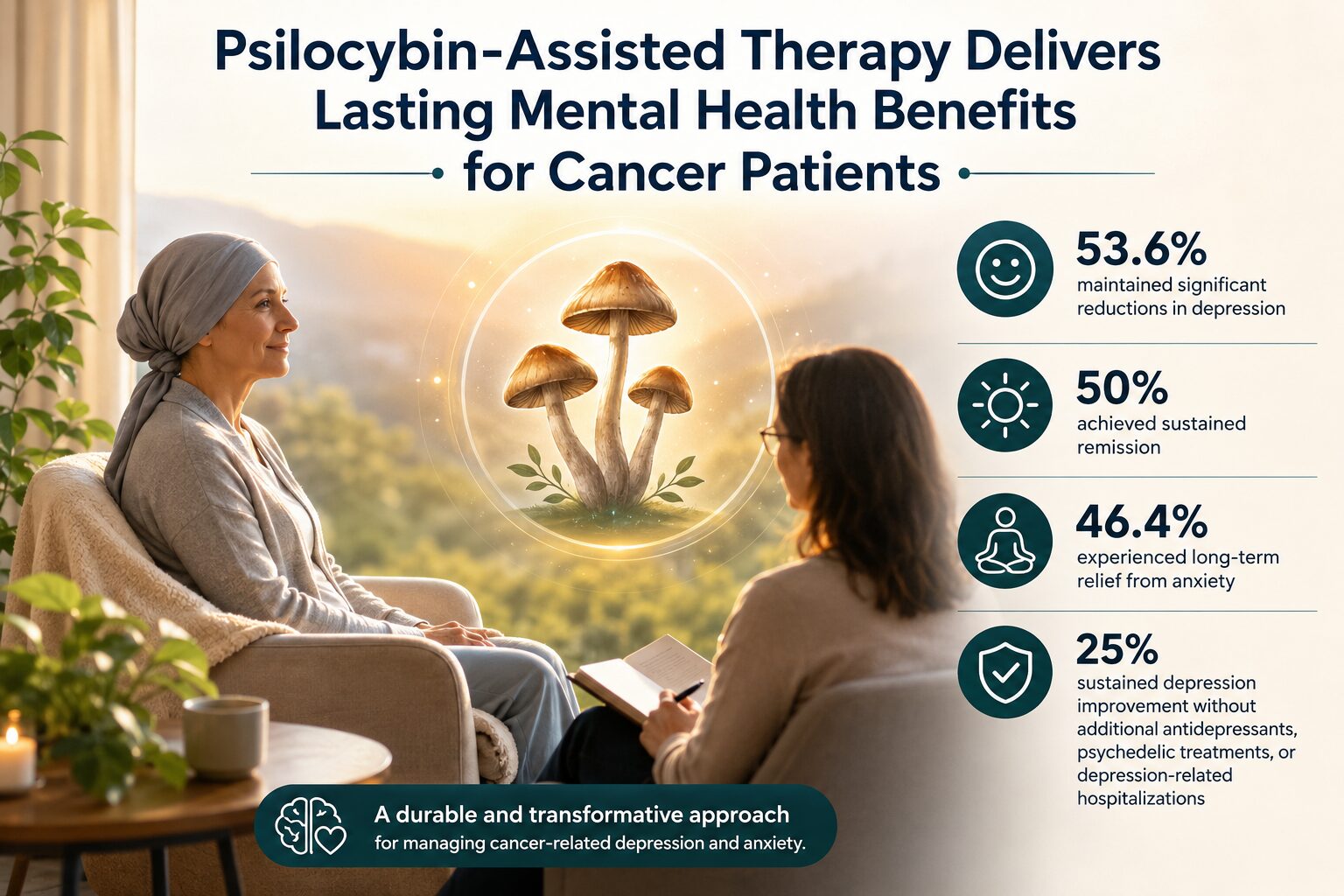
Psilocybin-Assisted Therapy Delivers Lasting Mental Health Benefits for Cancer Patients

A single 25 mg dose of psilocybin, combined with structured psychological support, may offer a promising alternative to traditional antidepressants for cancer patients with major depressive disorder. In a 24-month follow-up study, 53.6% of participants maintained significant reductions in depression, while 50% achieved sustained remission. Anxiety symptoms also improved, with 46.4% experiencing long-term relief. Notably, 25% of patients sustained depression improvement without additional antidepressants, psychedelic treatments, or depression-related hospitalizations. These findings highlight the potential of psilocybin-assisted therapy as a durable and transformative approach for managing cancer-related depression and anxiety.

Psilocybin-Assisted Therapy Delivers Lasting Mental Health Benefits for Cancer Patients Read More »

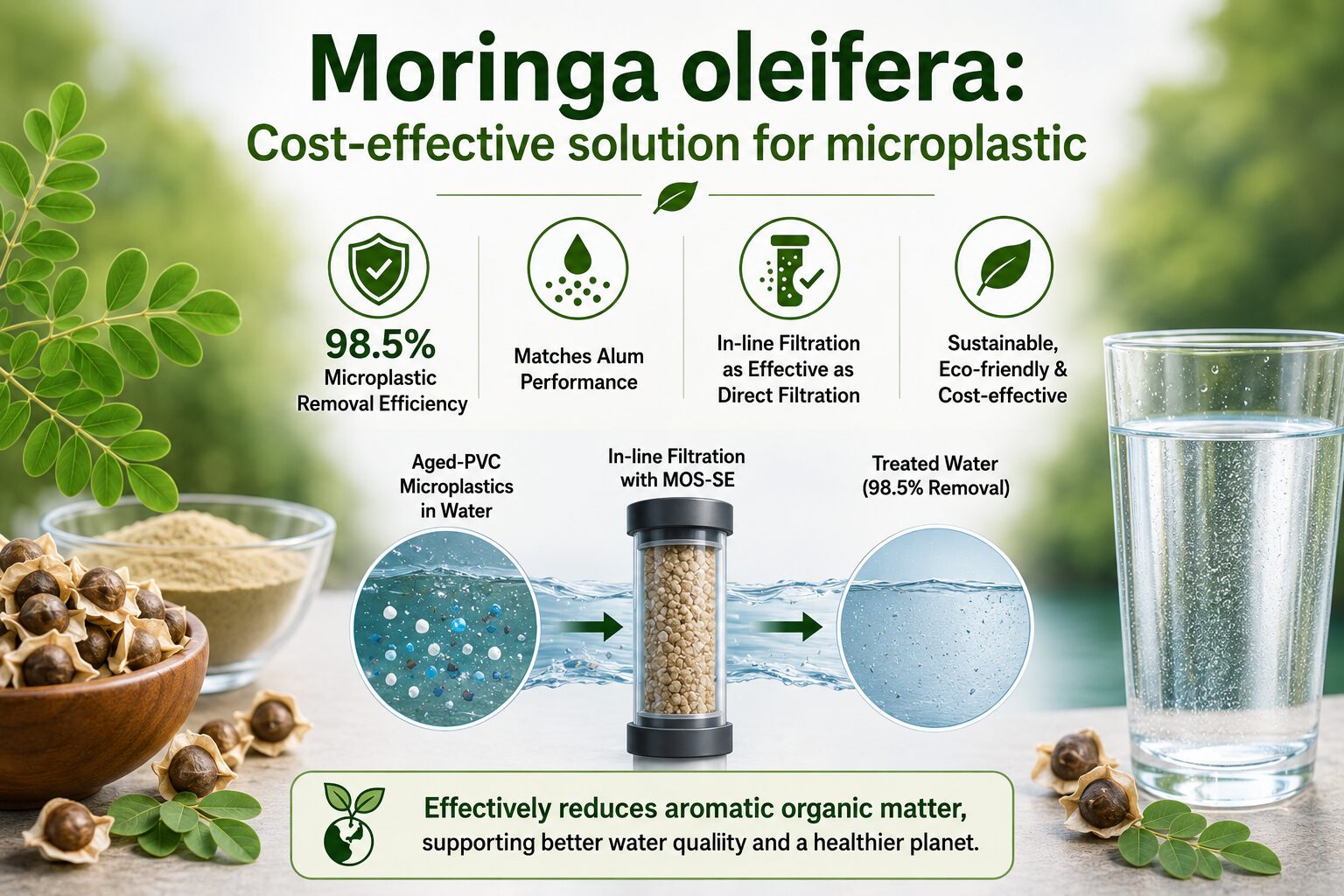
Moringa oleifera offers a cost-effective solution for microplastic removal from drinking water

Moringa oleifera offers a cost-effective solution for microplastic removal from drinking water

Recently, Moringa oleifera have been studied to reduce aged polyvinyl chloride microplastics (Aged-PVC MPs) from drinking water. Acting as a natural coagulant, Moringa oleifera seed saline extract (MOS-SE), achieved an impressive 98.5% microplastic removal efficiency, matching the performance of conventional alum-based treatment. When tested, in-line filtration was found to be as effective as direct filtration, eliminating the need for an additional flocculation step and reducing treatment complexity and costs. Additionally, MOS-SE effectively reduced aromatic organic matter, demonstrating its potential as a sustainable, eco-friendly, and cost-effective solution for modern drinking water treatment.

Moringa oleifera offers a cost-effective solution for microplastic removal from drinking water Read More »

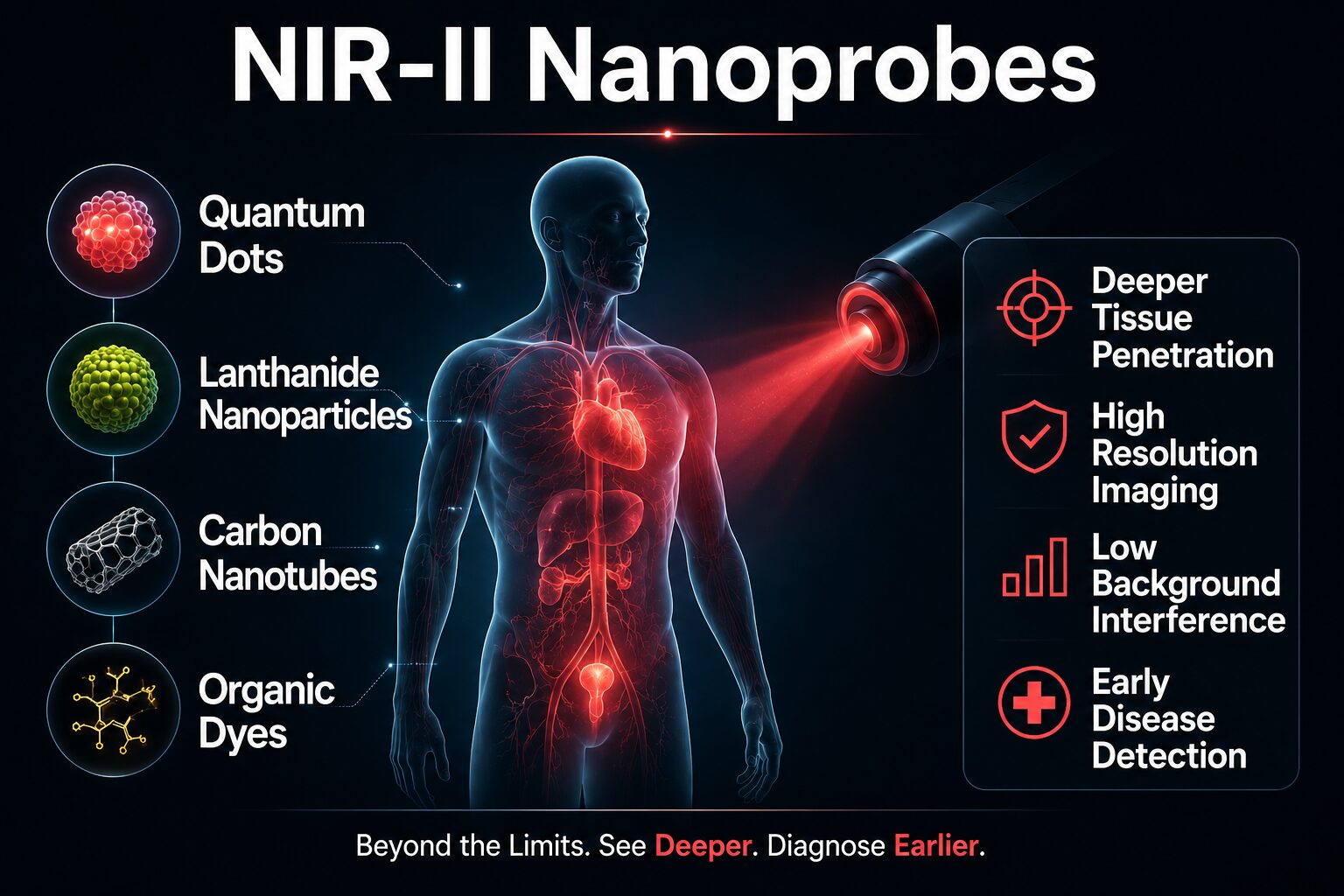
Near-Infrared II (NIR-II) imaging technology

NIR-II Nanoprobes are transforming cancer imaging and image-guided surgery

Near-Infrared II (NIR-II) imaging technology is transforming biomedical imaging and disease diagnosis through the use of advanced probes such as quantum dots, lanthanide nanoparticles, carbon nanotubes, and organic dyes. Operating within the 1000–1700 nm wavelength range, NIR-II imaging offers deeper tissue penetration, higher spatial resolution, reduced autofluorescence, and superior signal-to-noise ratios compared with conventional NIR-I imaging (700–900 nm). These advantages have enabled significant progress in cancer detection, image-guided surgery, stem cell tracking, inflammation imaging, targeted drug delivery, and tumor vascular monitoring, resulting in enhanced diagnostic accuracy, improved therapeutic precision, and greater potential for personalized medicine.

NIR-II Nanoprobes are transforming cancer imaging and image-guided surgery Read More »

chatgpt image jun 2, 2026, 10 58 34 am

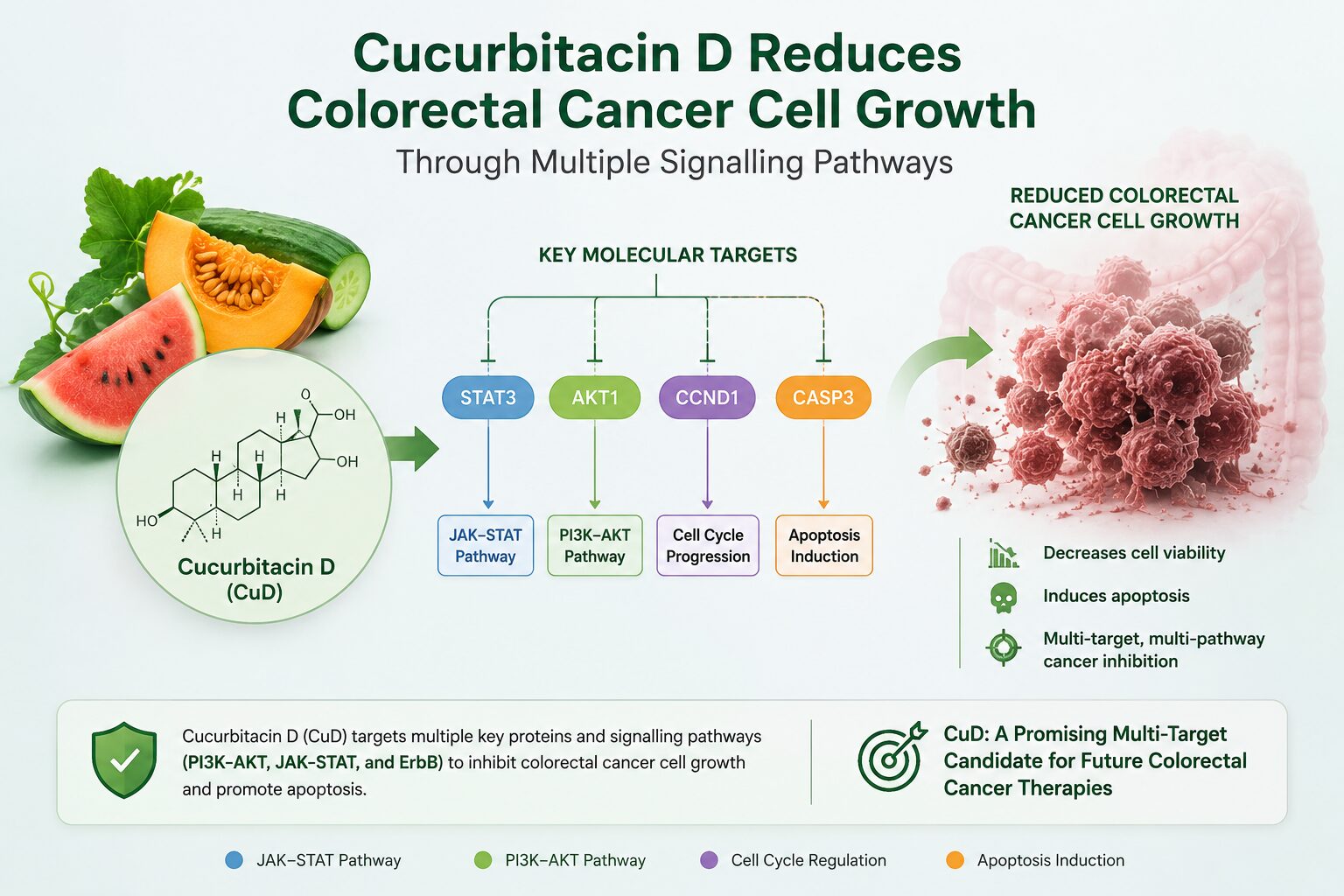
Cucurbitacin D reduces colorectal cancer cell growth through multiple signalling pathways

Cucurbitacin D (CuD), a triterpenoid, commonly found in cucumber, pumpkin, and watermelon have been found to significantly reduce cancer cell viability and induce apoptosis in multiple colorectal cancer cell line. Network analysis and computational study identified four key molecular targets, namely; STAT3, AKT1, CCND1, and CASP3, that strongly interact with CuD and hinders cancer growth and survival. The study also highlighted the involvement of the PI3K-AKT, JAK-STAT, and ErbB signaling pathways, suggesting CuD as a promising multi-target candidate for future colorectal cancer therapies.

Cucurbitacin D reduces colorectal cancer cell growth through multiple signalling pathways Read More »

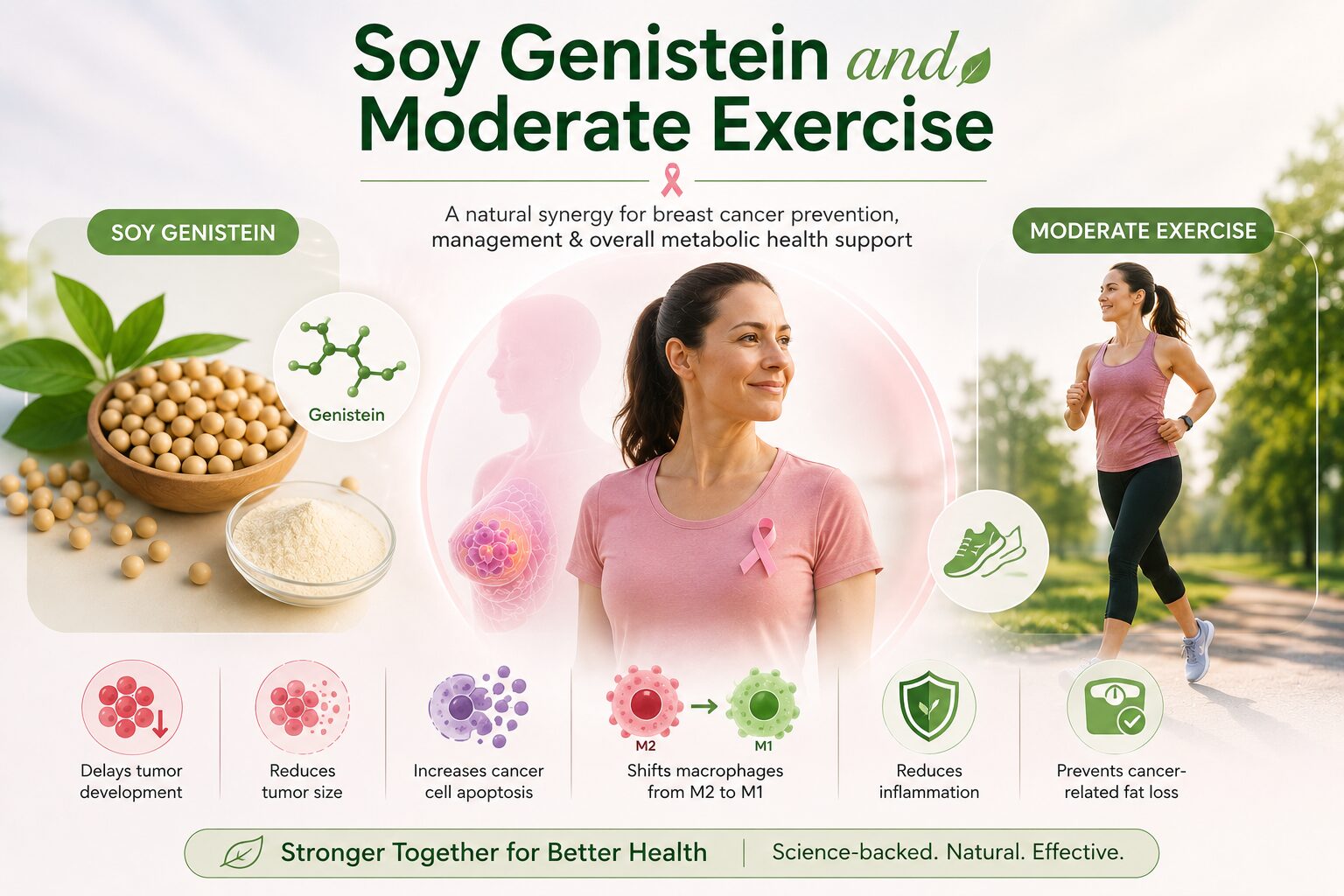
Genistein and exercise reduce breast cancer progression

Soy Genistein and moderate exercise improve anti-cancer responses in breast cancer models

Genistein, a soy-derived isoflavone, when combined with moderate-intensity exercise help prevent breast cancer progression. In vivo studies confirms that exercise in combination with genistein significantly delayed tumor development, reduced tumor size, increased cancer cell apoptosis, and shifted macrophages from tumor-promoting (M2) to tumor-fighting (M1) types. The interventions also reduced inflammation and prevented cancer-related fat loss. These findings suggest that genistein and regular exercise may serve as complementary strategies for breast cancer prevention, management and overall metabolic health support.

Soy Genistein and moderate exercise improve anti-cancer responses in breast cancer models Read More »

st 2

Welcome to Sci-Tech Bulletin

Discover mind-bending science breakthroughs in your inbox every week

This field is required.

We don’t spam! Read our privacy policy for more info.

Scroll to Top