chatgpt image aug 19, 2026, 11 50 54 pm

Therapeutic Gardens Support Stress Recovery and Mental Well-Being

Therapeutic gardens, designed by combining the natural elements for relaxation, physical activity, reflection, and meaningful activities are known to provide familiarity, safety, and a sense of belonging to the people experiencing stress-related illness. The natural environment, mindfulness exercises, garden activities, professional support, and personal choice increase self-awareness and help people recognise destructive stress patterns. People develop individual coping strategies and gain confidence to adopt new approaches in daily life, highlighting the importance of supportive nature-based therapy environments for stress management and recovery.

Therapeutic Gardens Support Stress Recovery and Mental Well-Being Read More »
chatgpt image jul 26, 2026, 06 57 06 pm

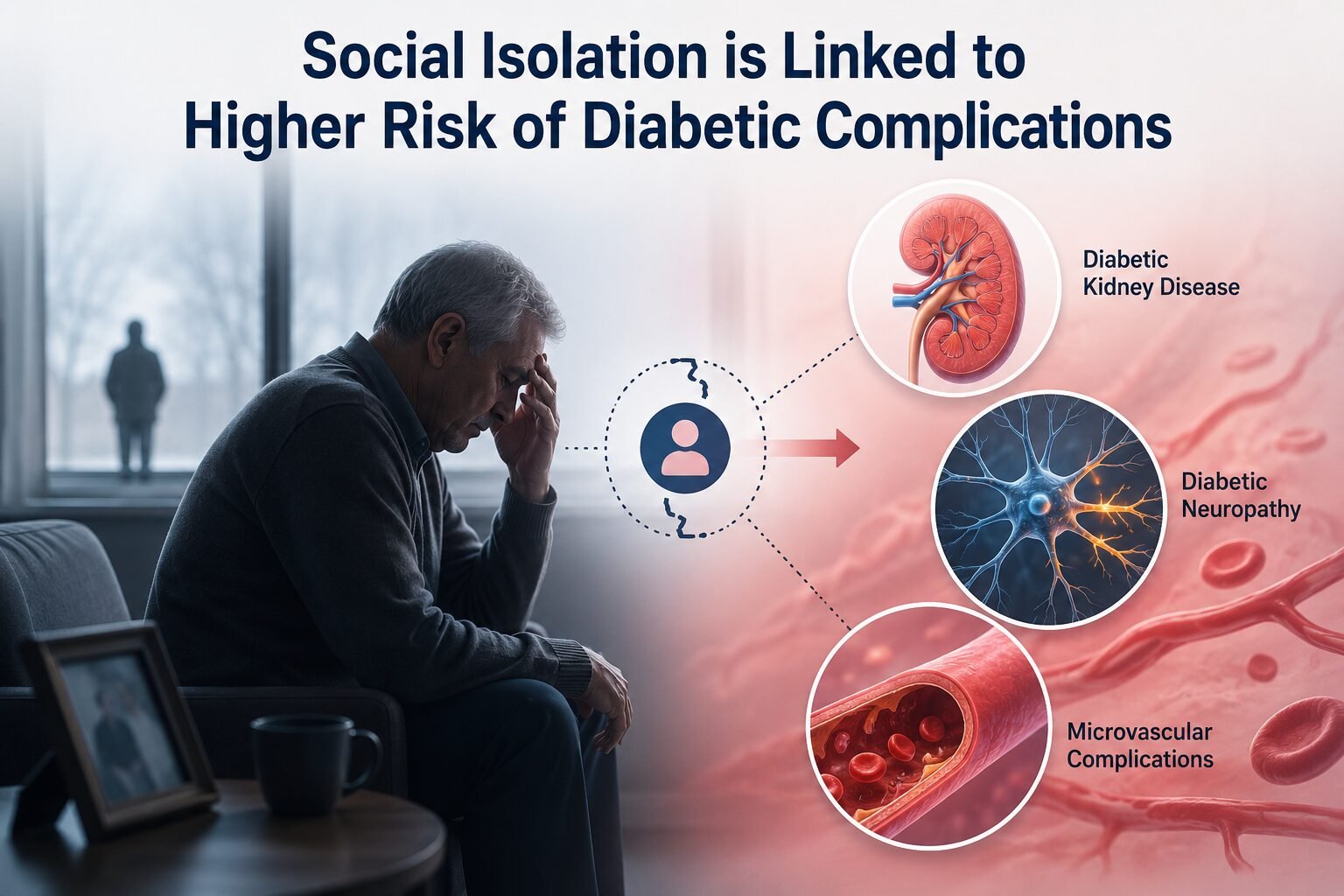
Social isolation is linked to higher risk of complications in patients with Type 2 Diabetes

A cohort study finds that social isolation and loneliness increase the risk of diabetic microvascular complications. It is found that socially isolated individuals have a higher risk of developing diabetic kidney disease, neuropathy, and overall microvascular complications, while loneliness is particularly associated with kidney disease. Importantly, these social factors are as influential as traditional risk factors like smoking, physical inactivity, and high blood pressure. The findings suggest that screening for and addressing social isolation and loneliness should become an important component of comprehensive diabetes care.

Social isolation is linked to higher risk of complications in patients with Type 2 Diabetes Read More »

chatgpt image jun 12, 2026, 01 42 05 pm

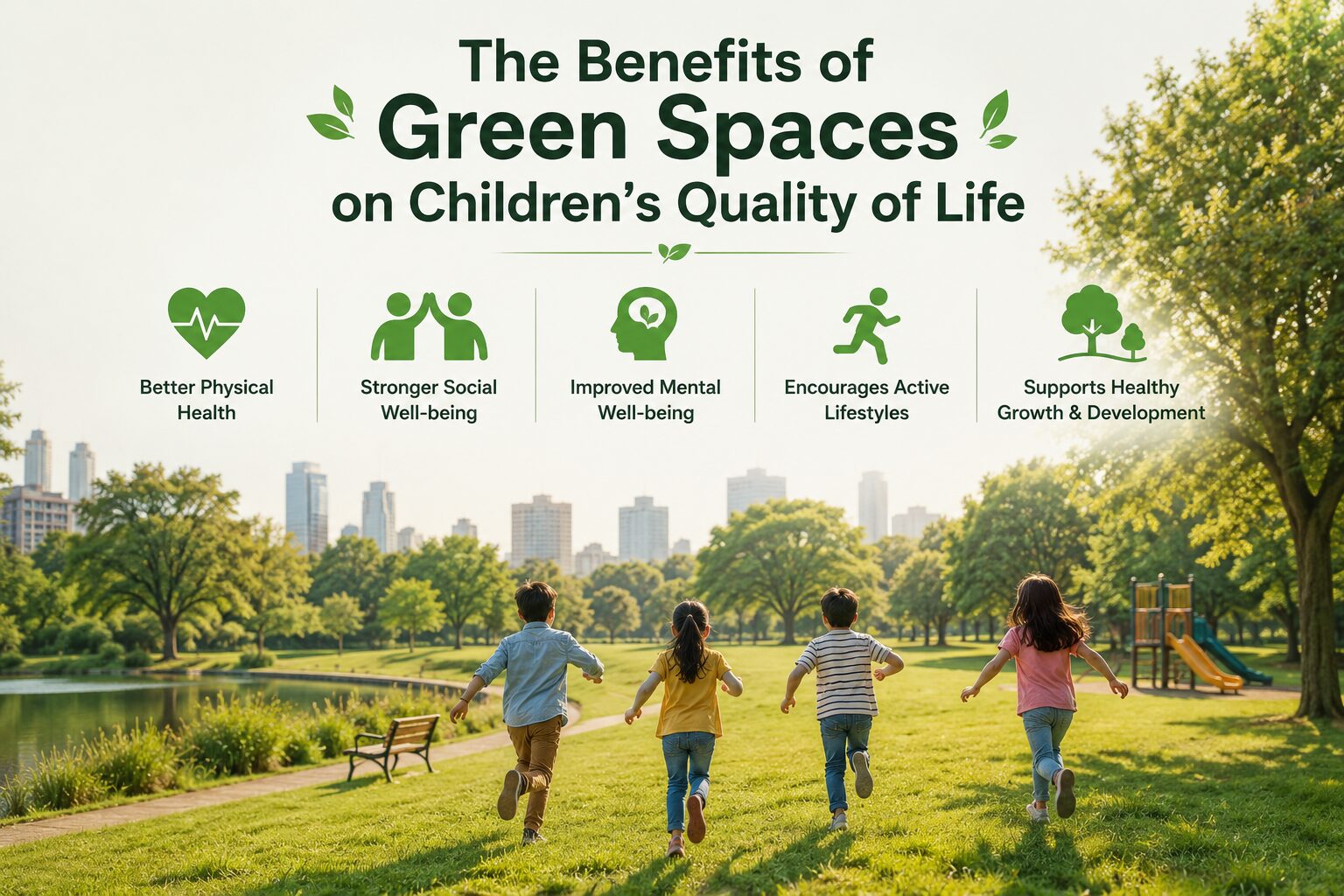
The benefits of Green Spaces on children’s Quality of Life

Access to natural environments including parks, water bodies, and vegetation within 500 meters of children’s homes plays an important role in supporting children’s Health-Related Quality of Life (HRQOL). Research shows that these natural features are associated with improved physical, social, and overall well-being, particularly among urban and suburban children. The relationship between nature and well-being varies across urban, suburban, and rural communities. These findings underscore the importance of designing nature-friendly environments and policies that promote healthier lifestyles, child development, and long-term well-being.

The benefits of Green Spaces on children’s Quality of Life Read More »

Benefits of Psilocybin-Assisted Therapy

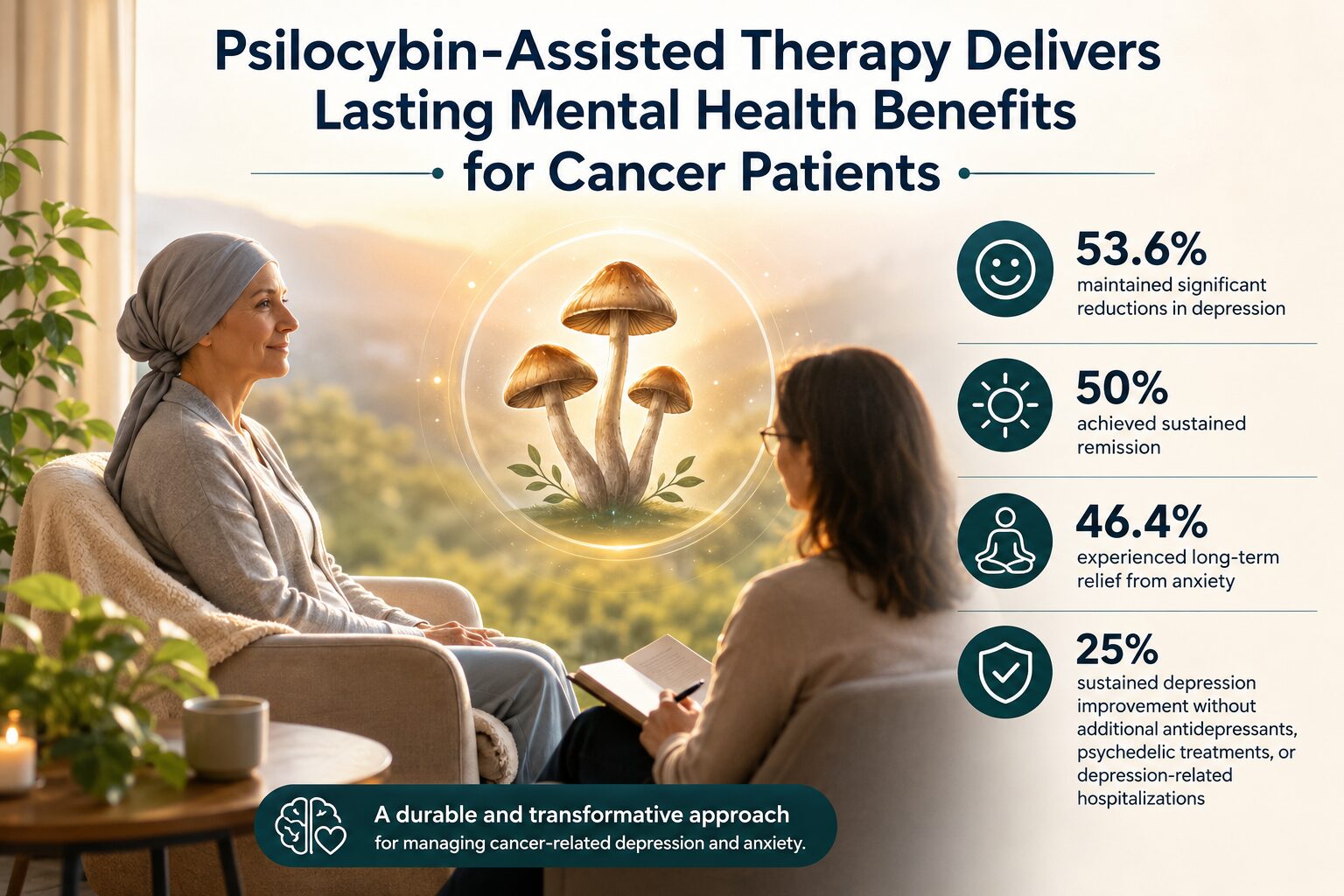
Psilocybin-Assisted Therapy Delivers Lasting Mental Health Benefits for Cancer Patients

A single 25 mg dose of psilocybin, combined with structured psychological support, may offer a promising alternative to traditional antidepressants for cancer patients with major depressive disorder. In a 24-month follow-up study, 53.6% of participants maintained significant reductions in depression, while 50% achieved sustained remission. Anxiety symptoms also improved, with 46.4% experiencing long-term relief. Notably, 25% of patients sustained depression improvement without additional antidepressants, psychedelic treatments, or depression-related hospitalizations. These findings highlight the potential of psilocybin-assisted therapy as a durable and transformative approach for managing cancer-related depression and anxiety.

Psilocybin-Assisted Therapy Delivers Lasting Mental Health Benefits for Cancer Patients Read More »

Family research for mental illness

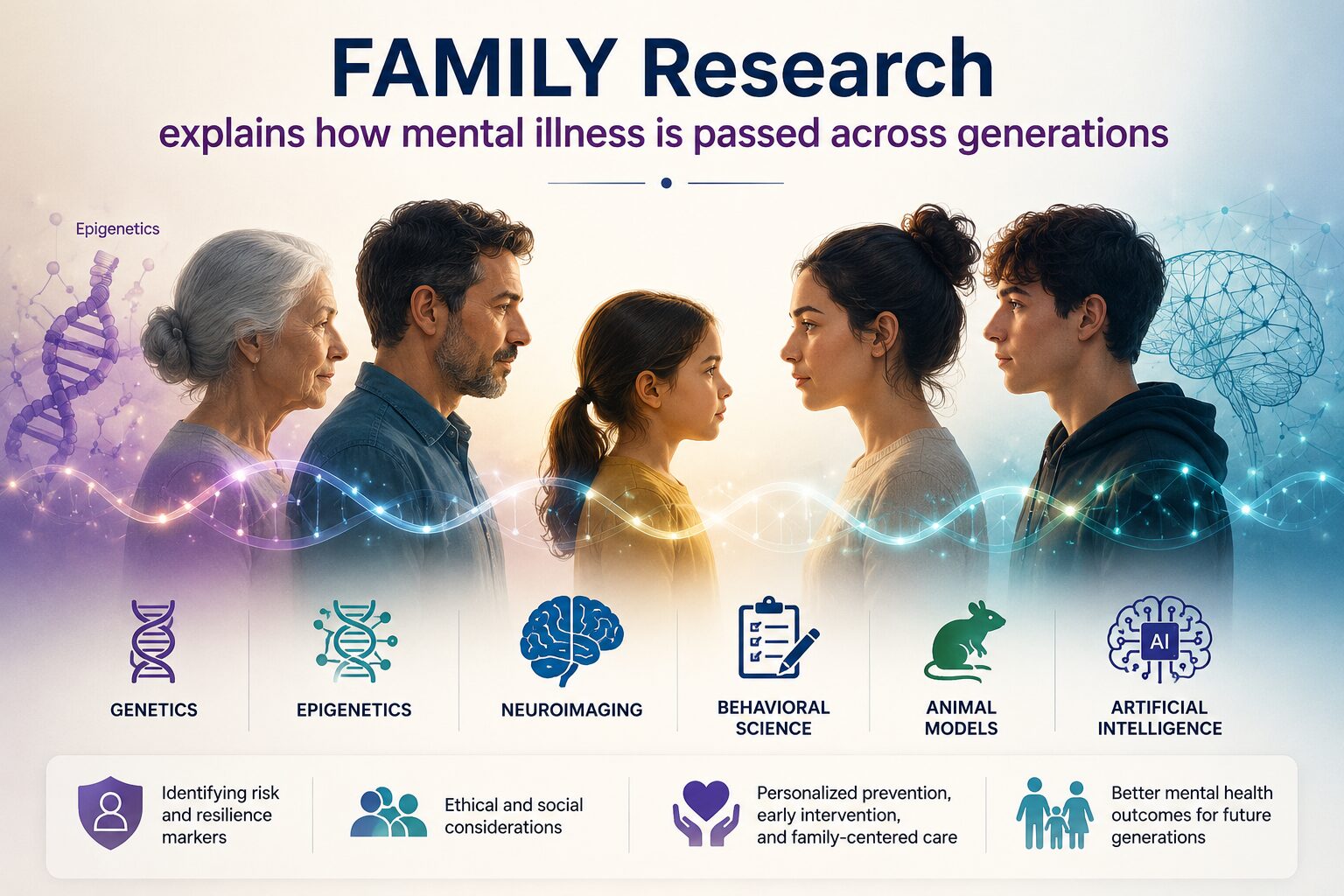
FAMILY Research explains how mental illness is passed across generations

More than 50% of children with a parent affected by severe mental illness may develop a mental health disorder by early adulthood. The FAMILY project is an innovative multimodal risk prediction framework that integrates genetics, epigenetics, neuroimaging, behavioral science, animal models, and artificial intelligence to better understand how mental illness is transmitted across generations. FAMILY investigates the complex interaction between genetic, environmental, epigenetic, and neurodevelopmental factors to identify both risk and resilience markers. The project also addresses ethical and social implications of risk prediction, supporting the development of personalized prevention strategies, early intervention tools, and family-centered mental healthcare guidelines.

FAMILY Research explains how mental illness is passed across generations Read More »

Metabolic Abnormalities and Omega-3 Deficiency Linked to Early Psychosis Risk in Young Adults

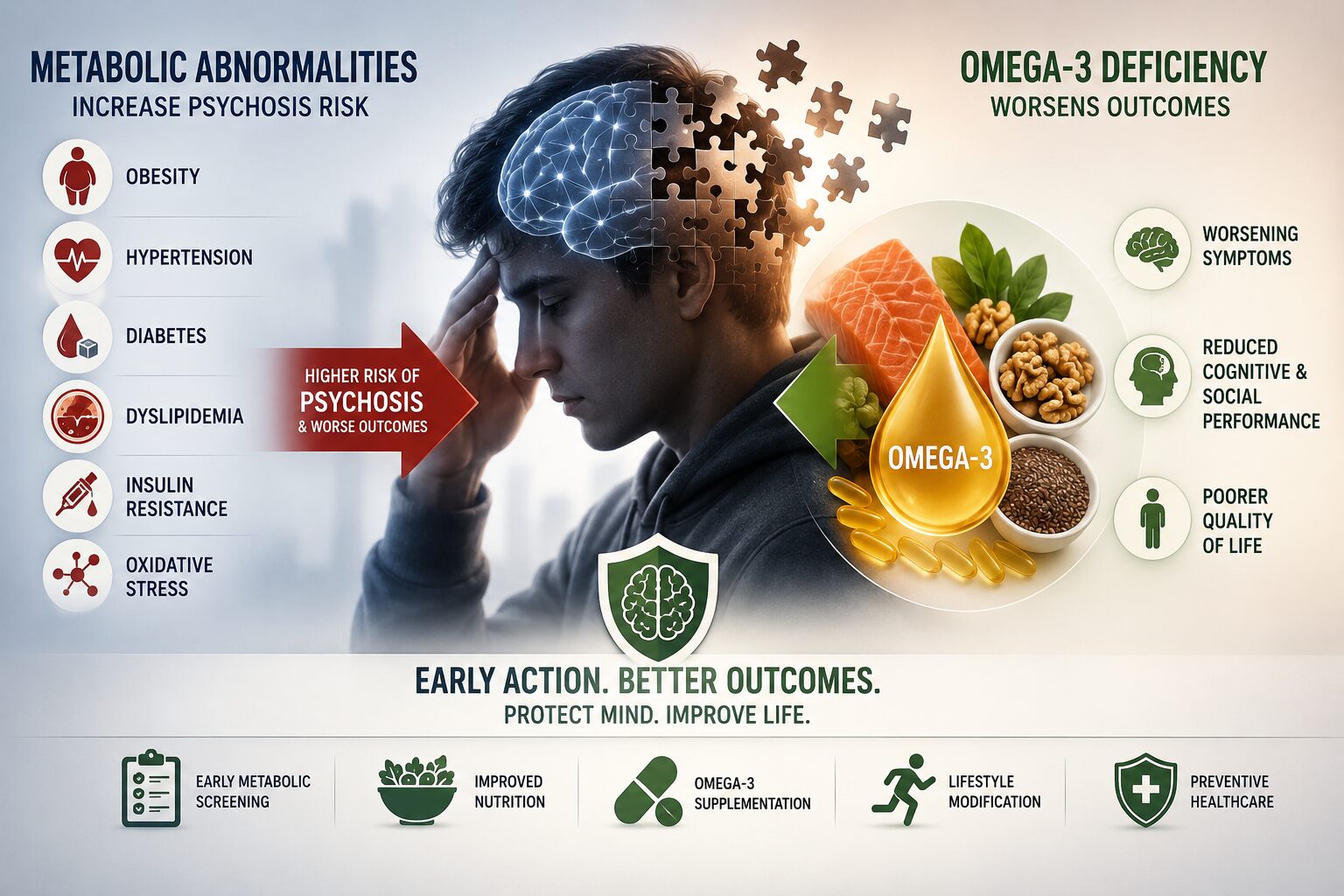
Metabolic Abnormalities and Omega-3 Deficiency Linked to Early Psychosis Risk in Young Adults

Metabolic abnormalities such as obesity, hypertension, diabetes, dyslipidemia, insulin resistance, and elevated oxidative stress are found to be associated with the risk of psychosis, symptom severity, and impaired daily functioning. In addition, low dietary Omega-3 fatty acid is strongly linked to worsening psychiatric symptoms, reduced cognitive and social performance, and poorer overall quality of life. Early metabolic screening, improved nutrition, Omega-3 supplementation, lifestyle modification, and preventive healthcare strategies may play a vital role in reducing psychosis risk, enhancing brain health, and improving long-term mental and physical health outcomes.

Metabolic Abnormalities and Omega-3 Deficiency Linked to Early Psychosis Risk in Young Adults Read More »

Mood Disorders and Impulsive Aggression

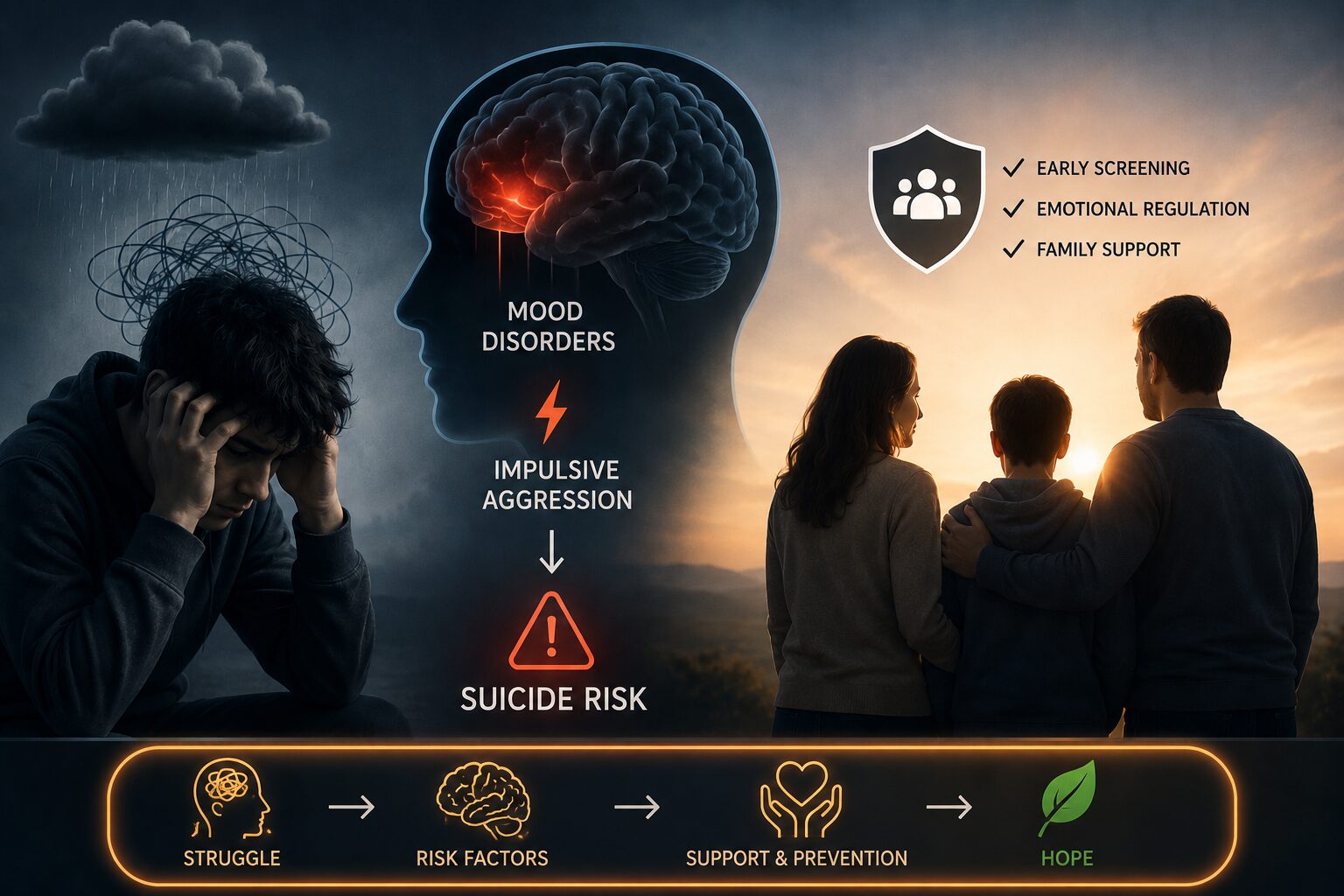
Mood Disorders and Impulsive Aggression Drive Youth Suicide Risk

Researchers have found that mood disorders and impulsive aggression are major predictors of suicidal behaviour. Impulsive aggression often precedes depression, increasing long-term suicide risk. The patients were studied for over 5 years, and it was found that children of parents who had attempted suicide are nearly five times more likely to attempt suicide themselves, even after accounting for mood disorders. The findings highlight the importance of early mental health screening, emotional regulation interventions, and family-based prevention strategies to reduce suicide risk among high-risk adolescents and young adults.

Mood Disorders and Impulsive Aggression Drive Youth Suicide Risk Read More »

chatgpt image apr 25, 2026, 04 44 06 pm

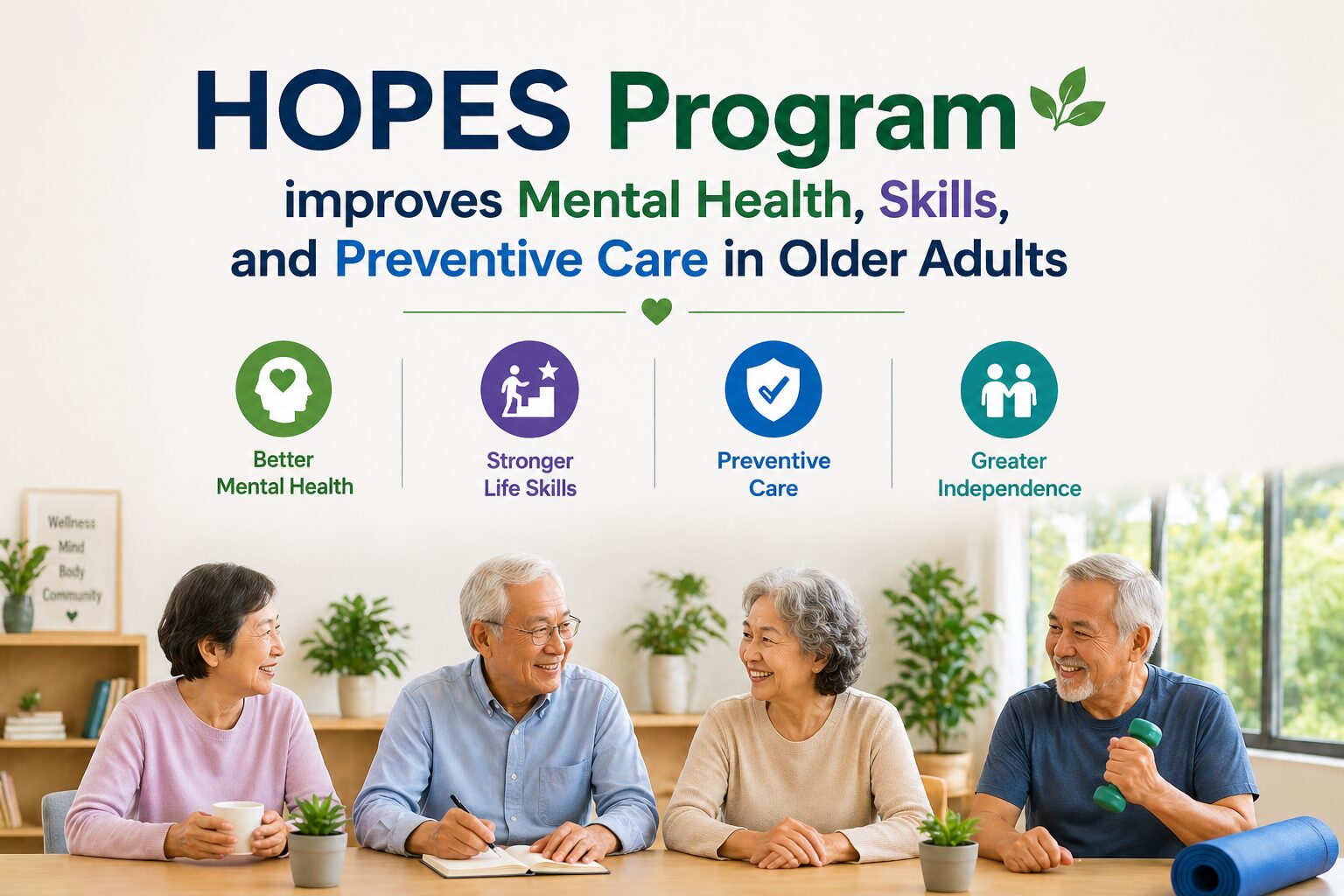
HOPES Program improves Mental Health, Skills, and Preventive Care in Older Adults

The HOPES program improves community living skills and self-efficacy among older adults with reduced psychiatric symptoms. This intervention combines psychosocial skills training with preventive healthcare for the oldies suffering from serious mental illness, such as schizophrenia, schizoaffective disorder, bipolar disorder and major depression. Compared with usual treatment, interventions such as HOPES can produce lasting functional and behavioral benefits, allowing preventive health care screening and advanced care planning, supporting greater independence and better long-term mental health outcomes in the ageing population.

HOPES Program improves Mental Health, Skills, and Preventive Care in Older Adults Read More »

Rising Temperatures and Heatwaves may affect our mental health

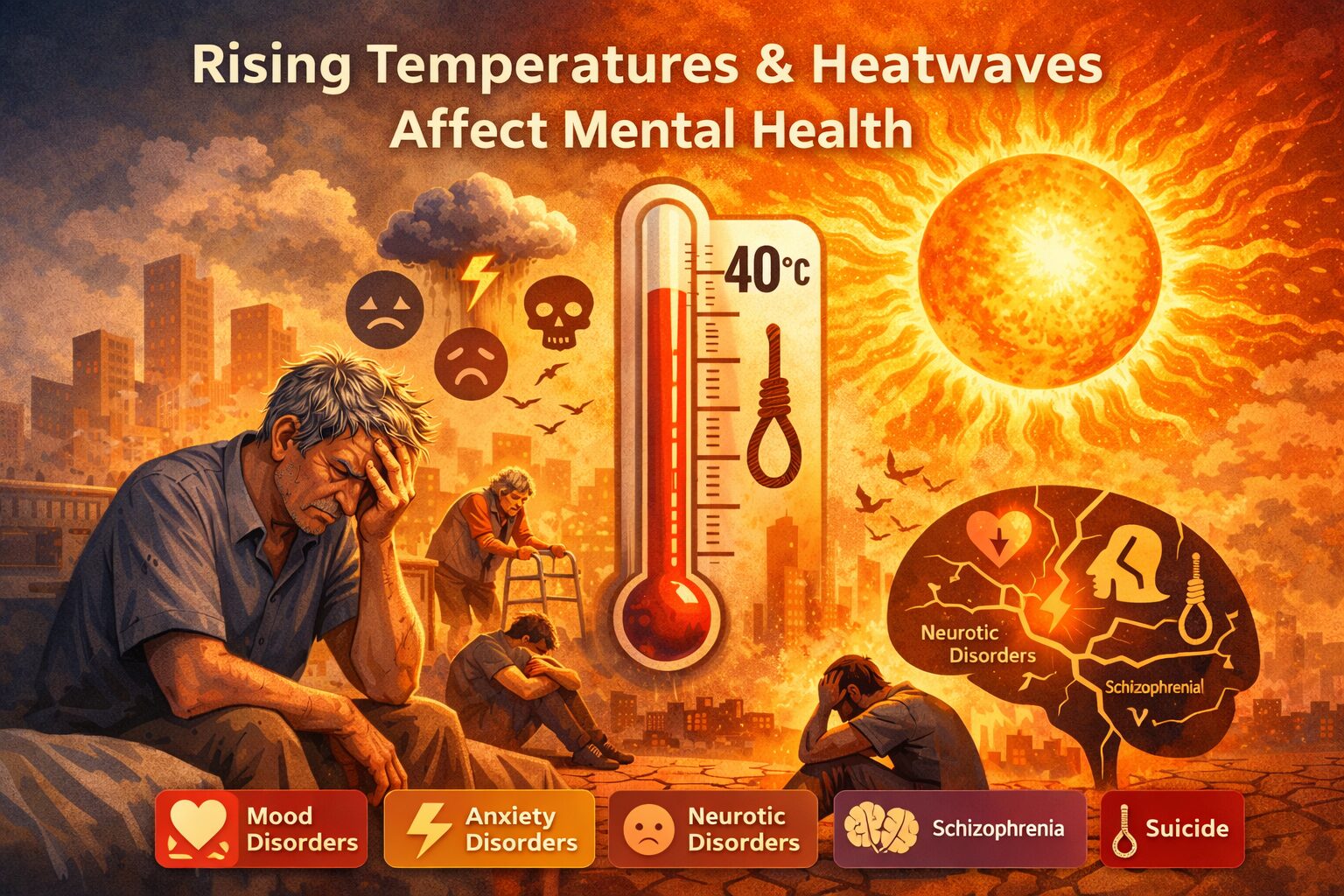
Rising Temperatures and Heatwaves may affect our mental health

A meta-analysis found that rising temperatures and heatwaves are linked to increased mental health problems, including higher mortality and hospital admissions. Each 1°C rise in temperature significantly raises risks for mood disorders, neurotic disorders, anxiety disorders, schizophrenia, and suicide. When the temperature stays extremely high for consecutive 3 days, older adults, males, and fragile populations living in tropical and subtropical climate zones are more vulnerable. As global temperatures rise, addressing heat-related mental health risks becomes increasingly important for healthcare systems and policymakers to adopt heat mitigation strategies and provide mental health support during extreme weather.

Rising Temperatures and Heatwaves may affect our mental health Read More »

chatgpt image mar 21, 2026, 03 40 57 pm

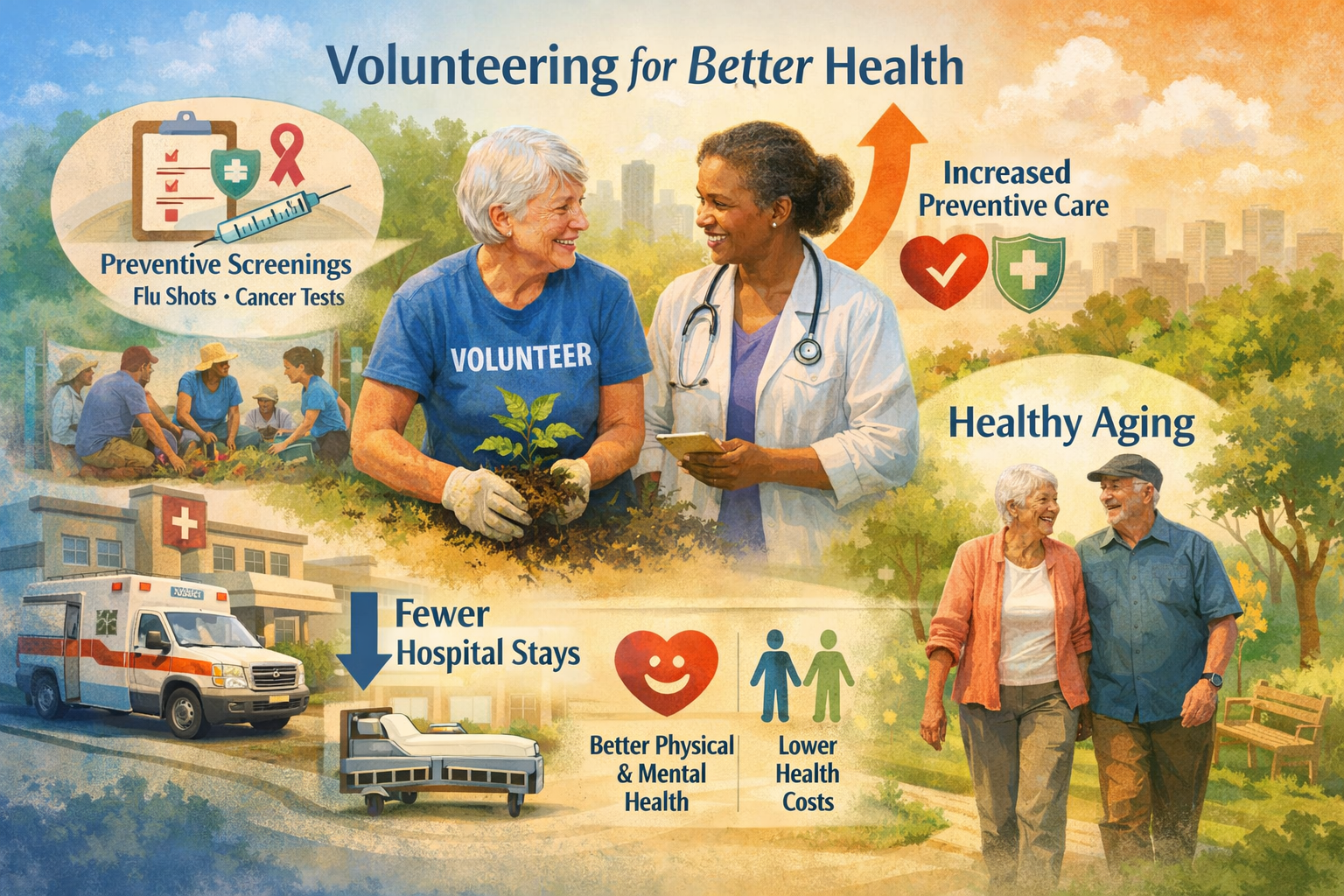
Community Service Boosts Preventive Care, Reduces Hospital Stays, and Supports Healthy Aging

Study conducted with ~7000 adults aged over 51, for 2 years found that volunteering for any social cause have least health risks and have better physical and mental health behaviours. Volunteers show greater use of preventive health services as they are more likely to undergo screenings such as flu shots and cancer tests, suggesting more proactive health behaviour. At the same time, they spent fewer nights in the hospital, indicating better overall health or reduced severity of illness. These findings suggest that volunteering may promote healthier lifestyles and potentially lower health care costs, most likely due to involvement of both psychological and social factors.

Community Service Boosts Preventive Care, Reduces Hospital Stays, and Supports Healthy Aging Read More »

st 2

Welcome to Sci-Tech Bulletin

Discover mind-bending science breakthroughs in your inbox every week

This field is required.

We don’t spam! Read our privacy policy for more info.

Scroll to Top