Family research for mental illness

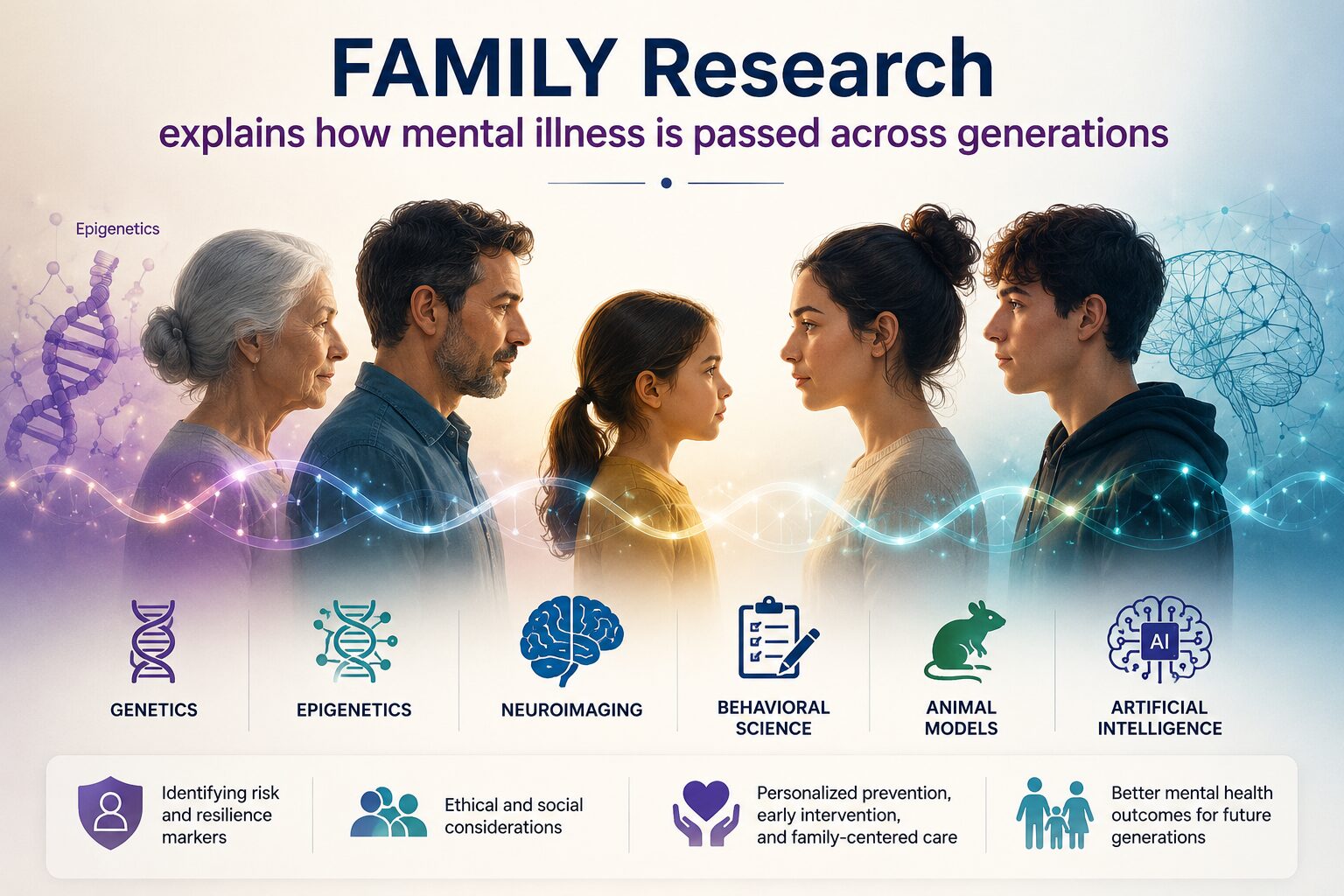
FAMILY Research explains how mental illness is passed across generations

More than 50% of children with a parent affected by severe mental illness may develop a mental health disorder by early adulthood. The FAMILY project is an innovative multimodal risk prediction framework that integrates genetics, epigenetics, neuroimaging, behavioral science, animal models, and artificial intelligence to better understand how mental illness is transmitted across generations. FAMILY investigates the complex interaction between genetic, environmental, epigenetic, and neurodevelopmental factors to identify both risk and resilience markers. The project also addresses ethical and social implications of risk prediction, supporting the development of personalized prevention strategies, early intervention tools, and family-centered mental healthcare guidelines.

FAMILY Research explains how mental illness is passed across generations Read More »
chatgpt image mar 14, 2026, 05 34 33 pm

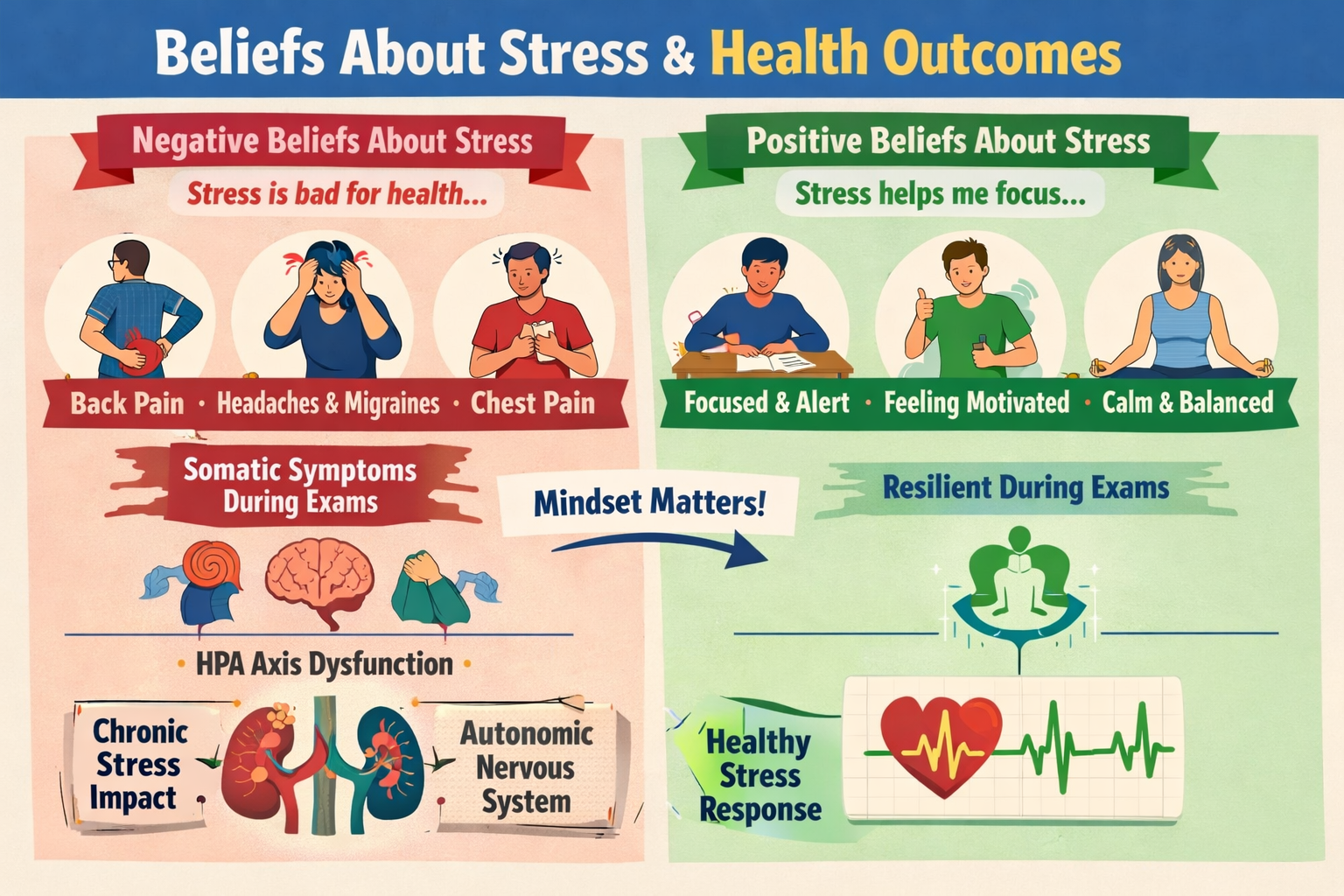
Our Stress Beliefs are linked to the Physical Health Problems

Study conducted at German University found that students who held negative beliefs about stress like “stress is bad for health”, were more likely to report somatic symptoms like muscular tension, back pain, headache, migraine, chest pain, fatigue during stressful periods like academic examinations. Even after controlling for factors such as existing health status, neuroticism, and optimism, negative stress beliefs still predicted higher symptom reporting. This is because chronic stress may involve a wear and tear of stress responsive bodily hypothalamic pituitary-adrenal axis and the autonomic nervous system.

Our Stress Beliefs are linked to the Physical Health Problems Read More »

st 2

Welcome to Sci-Tech Bulletin

Sign up to receive awesome content in your inbox every week.

We don’t spam! Read our privacy policy for more info.

Scroll to Top