Explainable AI and Multimodal Real-World Data

Decoding Cancer Treatment Outcomes with Explainable AI and Multimodal Real-World Data

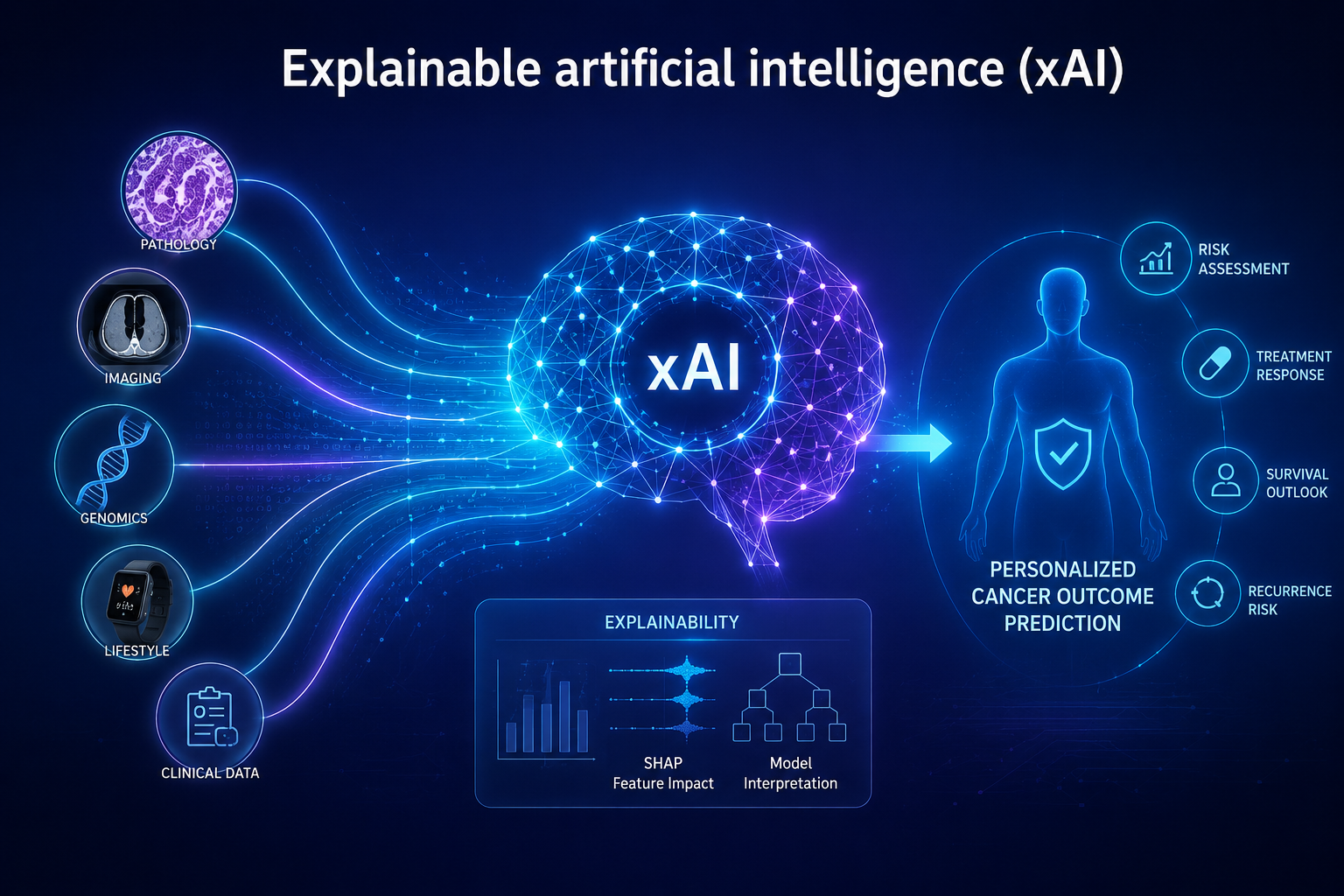
Explainable artificial intelligence (xAI) combined with multimodal real-world data can improve personalized cancer outcome prediction. Using 350 clinical, laboratory, imaging, treatment, genetic and patient-specific variables from 15,726 patients across 38 solid cancer types, deep-learning models predicted overall survival and time to next treatment more accurately than conventional prognostic scores. xAI identified 114 key markers accounting for 90% of the model’s decision process and uncovered 1,373 prognostic interactions. Important factors included CRP, fT3, ECOG performance status, M stage and LDH. External validation in 3,288 lung cancer patients demonstrated strong reproducibility, supporting potential clinical decision-making applications.

Decoding Cancer Treatment Outcomes with Explainable AI and Multimodal Real-World Data Read More »

Digital Platforms for Cancer Patients

An Evidence-Based Digital Platforms Can Help Cancer Patients Make Informed Decisions

A web-based knowledge database can provide cancer patients and patient navigators with evidence-based, easy-to-understand information. Using logfile data and patient surveys, it has been found that 65.9% of eligible patients accessed the platform. The most popular topics searched includes therapy, nutrition, side effects, and carcinogenesis. Nearly 69% of users reported that the database helped them make more informed decisions, while 75.7% found the information they needed. This suggests that accessible, trustworthy digital information can support health literacy and informed decision-making, by further narrowing technical barriers and upgrading the digital skills.

An Evidence-Based Digital Platforms Can Help Cancer Patients Make Informed Decisions Read More »

chatgpt image aug 11, 2026, 11 56 49 pm

JPred4: Advanced Protein Secondary Structure Prediction for Modern Bioinformatics

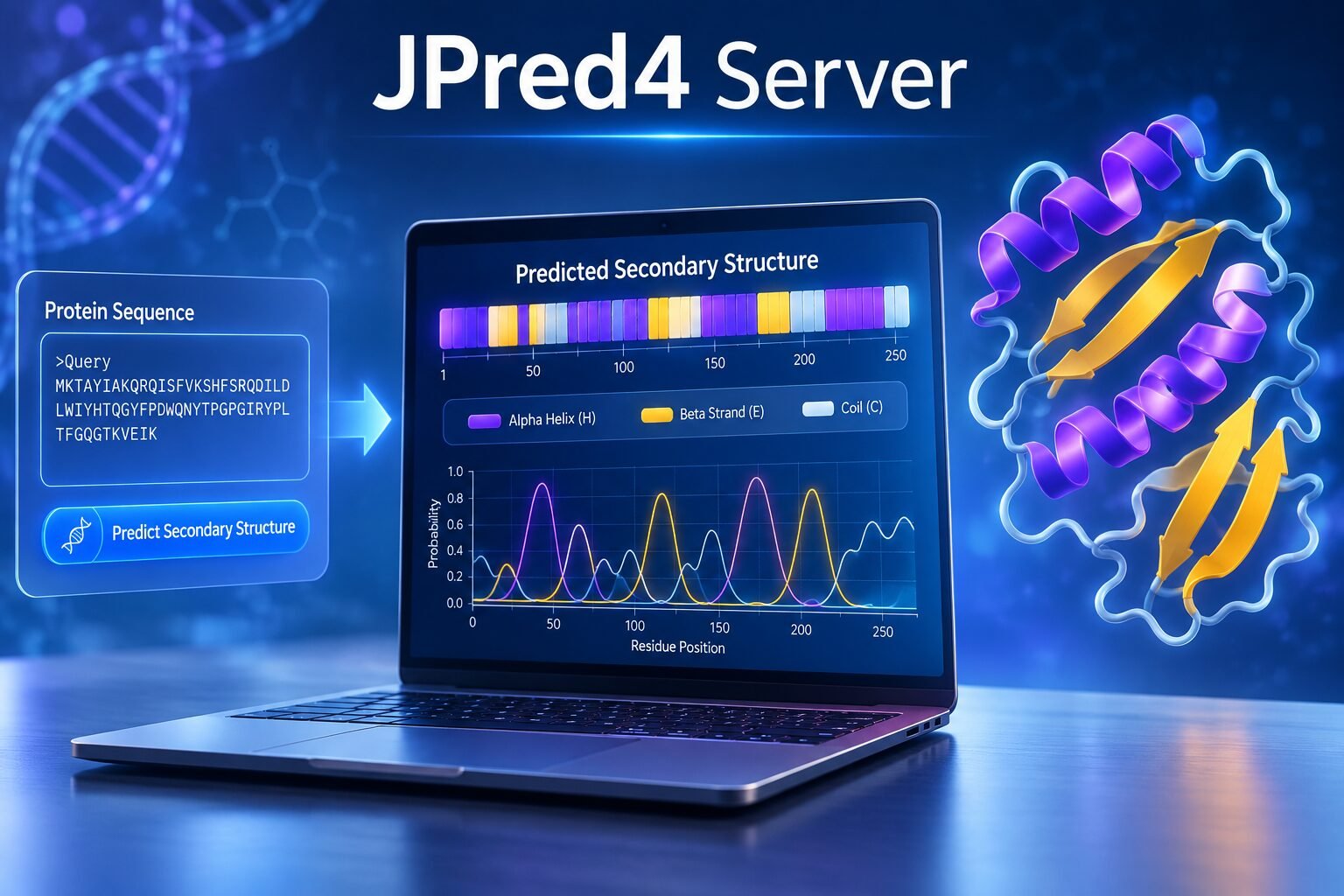
JPred4 is an upgraded protein secondary structure prediction server designed to help researchers analyze protein sequences when experimental structures are unavailable. Its JNet 2.3.1 algorithm combines neural-network prediction, PSI-BLAST-derived evolutionary information, multiple sequence alignments, and improved HMM processing. Blind testing of the server efficiency on 150 previously unseen sequences achieved 82.0% three-state secondary structure accuracy, while solvent accessibility prediction reached up to 90.0%. The platform also offers batch processing, faster analysis, improved visualizations, and comprehensive alignment reports for protein structure modeling, fold recognition, functional-domain identification, mutation planning, and large-scale bioinformatics research.

JPred4: Advanced Protein Secondary Structure Prediction for Modern Bioinformatics Read More »

chatgpt image aug 6, 2026, 10 34 23 am

PEtracer Technology: Revolutionizing Cell Lineage Mapping in Cancer Research

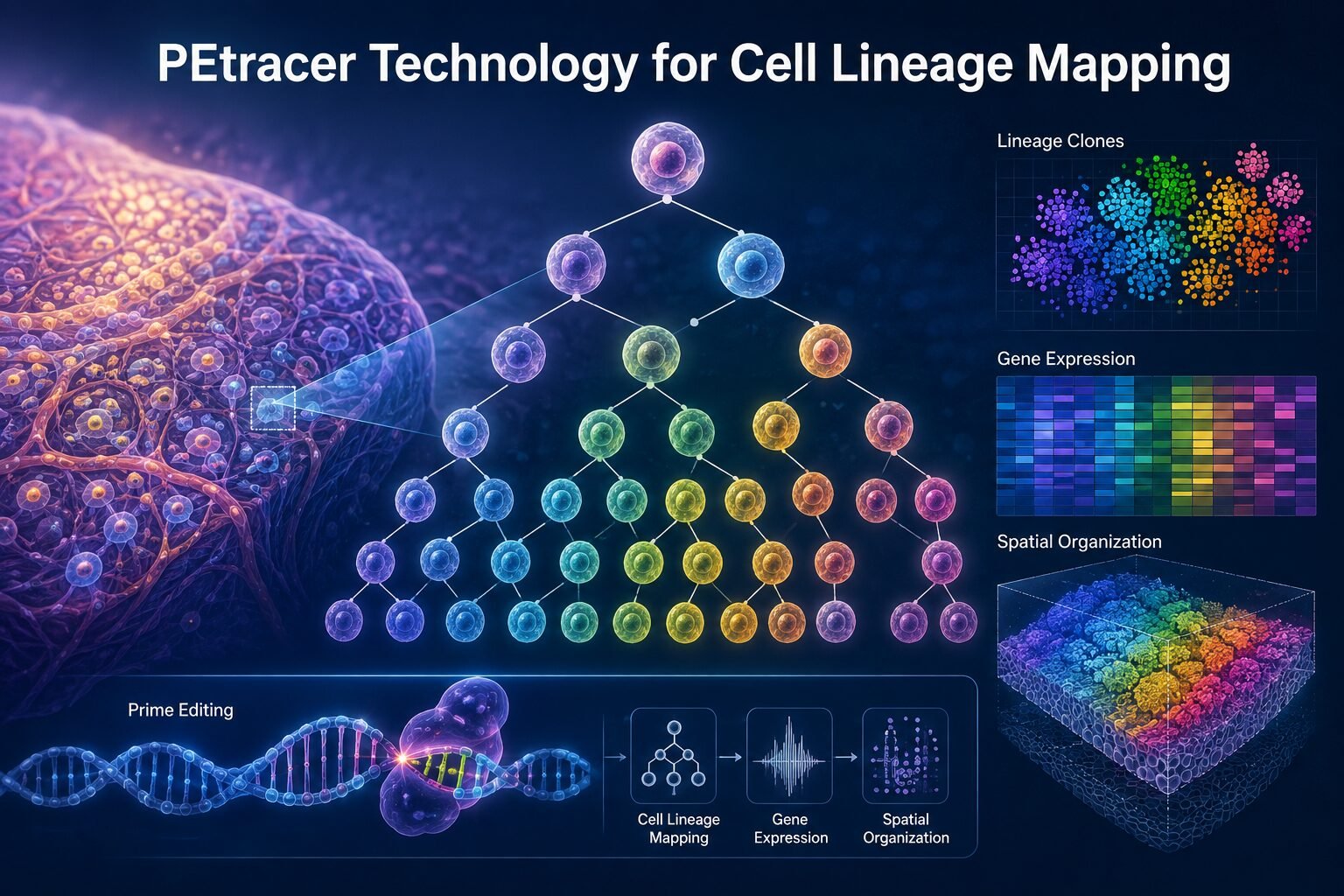
PEtracer is a novel prime editing-based lineage tracing technology that enables simultaneous mapping of cell lineage, gene expression, and spatial organization within intact tissues. By integrating prime editing with single-cell RNA sequencing and MERFISH spatial transcriptomics, cellular phylogenies are accurately reconstructed and tracked tumor evolution in a mouse model of metastatic breast cancer. PEtracer achieves high accuracy in lineage reconstruction while preserving spatial context, making it a powerful tool for studying development, tissue regeneration, cancer progression, and other complex biological processes.

PEtracer Technology: Revolutionizing Cell Lineage Mapping in Cancer Research Read More »

chatgpt image jul 22, 2026, 09 34 46 am

A new Diagnostic Score offers faster diagnosis of primary Polydipsia and AVP deficiency

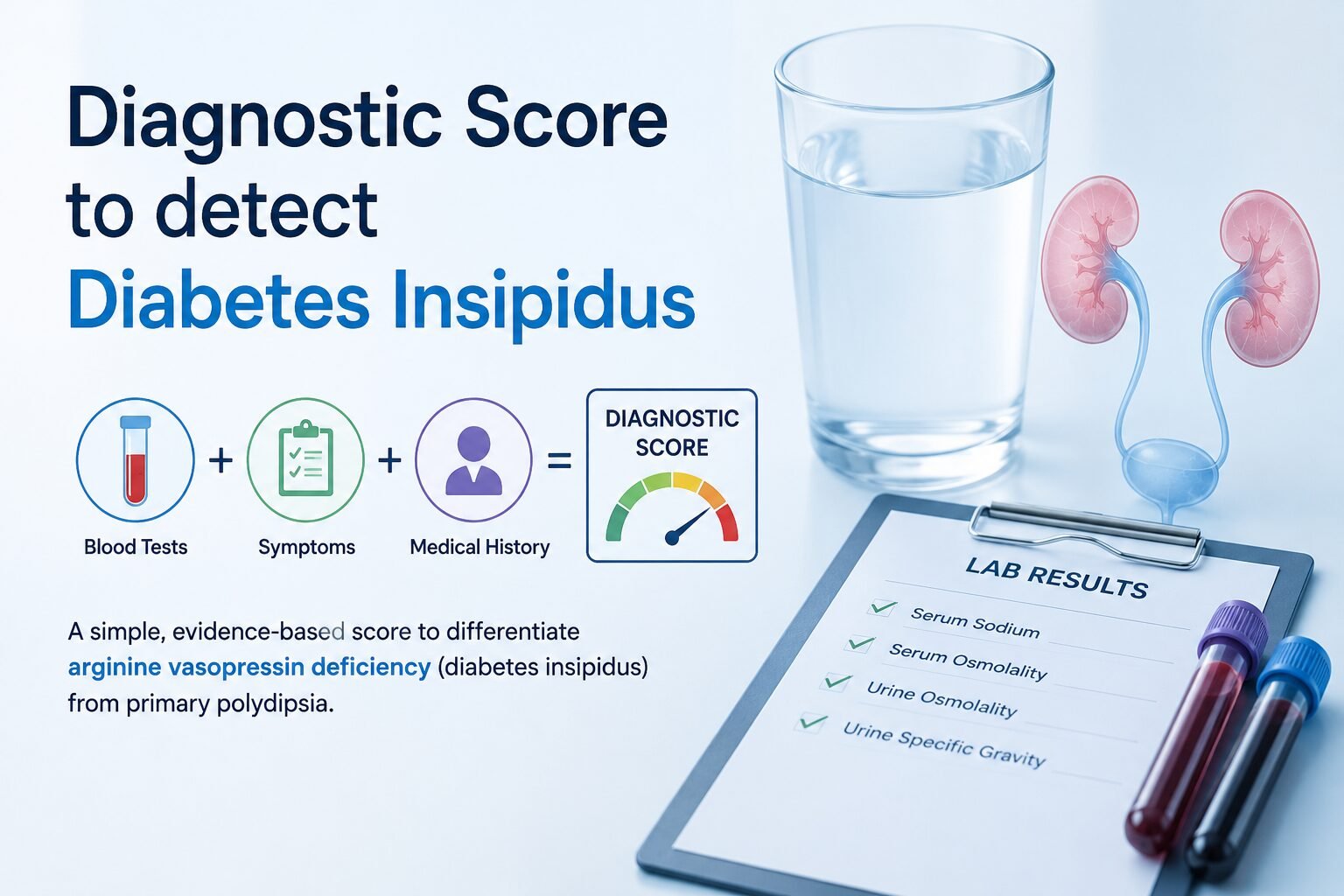
A simple diagnostic score that helps doctors tell the difference between arginine vasopressin deficiency, a form of diabetes insipidus, and primary polydipsia (excessive water drinking), using routine blood tests, symptoms, and medical history. The tool correctly identified patients with 91% diagnostic accuracy and enabled diagnosis in about 75% of cases without invasive testing. It also reliably distinguished between the two conditions using clear score thresholds with 93% specificity. This practical, evidence-based approach could speed up diagnosis, reduce unnecessary specialist referrals and testing, improve patient comfort, and make better use of healthcare resources.

A new Diagnostic Score offers faster diagnosis of primary Polydipsia and AVP deficiency Read More »

chatgpt image jul 15, 2026, 12 33 51 pm

Artificial Intelligence Enhances Breast Cancer Diagnosis Through Deep Learning

Deep learning and convolutional neural networks (CNNs) are transforming breast cancer diagnosis by automating the analysis of histopathological images. Researchers developed a workflow that integrates image preprocessing, hematoxylin–eosin stain separation, K-means clustering, and CNN-based classification to enhance diagnostic accuracy. By filtering poor-quality images and focusing on tumor-rich regions, the model achieved strong classification performance, with 79.0% Top-1 accuracy and 94.5% Top-5 accuracy. Thus, potential use of AI is able to reduce diagnostic variability, support pathologists in clinical decision-making, streamline pathology workflows, and improve access to reliable breast cancer diagnosis, particularly in resource-limited healthcare settings.

Artificial Intelligence Enhances Breast Cancer Diagnosis Through Deep Learning Read More »

IMOP computational Framework

IMOP-Cancer Predicts Tumor Behaviour Through Mutation Order

IMOP-Cancer, a computational framework identifies how the order of genetic mutations influences cancer progression, prognosis, immune response, and treatment outcomes. Using genomic and transcriptomic data from over 9,000 tumours across 33 cancer types; 106,034 mutation order pairs have been identified that significantly affects cancer phenotypes. The framework integrates mutation timing, cancer cell fraction, phylogenetic analysis, and gene expression profiling to reveal biologically meaningful mutation sequences that influences tumour proliferation, immune activity, drug sensitivity, and patient survival, highlighting its potential in advance precision oncology, prognostic prediction, and personalized cancer therapy.

IMOP-Cancer Predicts Tumor Behaviour Through Mutation Order Read More »

GOATOOLS Python Library

GOATOOLS Python Library: Transforming Gene Ontology Research

GOATOOLS is an open-source Python library designed to enhance Gene Ontology Enrichment Analysis (GOEA) by making results more accurate, reproducible, and easier to interpret. It efficiently processes Gene Ontology data, performs statistical enrichment analysis using Fisher’s Exact Test with multiple testing corrections, and organizes complex GO results through a novel grouping approach. The library was validated using simulated datasets and a published Alzheimer’s disease RNA-seq dataset, with performance compared against DAVID and GOstats. GOATOOLS delivers comparable or superior enrichment results while offering greater flexibility, automation, and clearer biological insights for genomic and transcriptomic research.

GOATOOLS Python Library: Transforming Gene Ontology Research Read More »

A New AI-Based Approach to Personalized Diabetes Care

AI-HEALS: A New AI-Based Approach to Personalized Diabetes Care and Education

The Artificial Intelligence-based Health Education Accurately Linking System (AI-HEALS) is an innovative mobile health intervention designed to enhance Type 2 diabetes self-management through personalized, AI-driven education. Delivered via WeChat, the platform integrates knowledge-based question answering, lifestyle and physiological monitoring, medication reminders, and tailored health messages. This research protocol outlines a rigorous framework for evaluating whether AI-HEALS can improve HbA1c levels, self-management behaviours, health literacy, psychological well-being, and cost-effectiveness, providing valuable evidence for the future of AI-supported diabetes care.

AI-HEALS: A New AI-Based Approach to Personalized Diabetes Care and Education Read More »

Near-Infrared II (NIR-II) imaging technology

NIR-II Nanoprobes are transforming cancer imaging and image-guided surgery

Near-Infrared II (NIR-II) imaging technology is transforming biomedical imaging and disease diagnosis through the use of advanced probes such as quantum dots, lanthanide nanoparticles, carbon nanotubes, and organic dyes. Operating within the 1000–1700 nm wavelength range, NIR-II imaging offers deeper tissue penetration, higher spatial resolution, reduced autofluorescence, and superior signal-to-noise ratios compared with conventional NIR-I imaging (700–900 nm). These advantages have enabled significant progress in cancer detection, image-guided surgery, stem cell tracking, inflammation imaging, targeted drug delivery, and tumor vascular monitoring, resulting in enhanced diagnostic accuracy, improved therapeutic precision, and greater potential for personalized medicine.

NIR-II Nanoprobes are transforming cancer imaging and image-guided surgery Read More »

st 2

Welcome to Sci-Tech Bulletin

Discover mind-bending science breakthroughs in your inbox every week

This field is required.

We don’t spam! Read our privacy policy for more info.

Scroll to Top