Personalized mRNA Vaccine

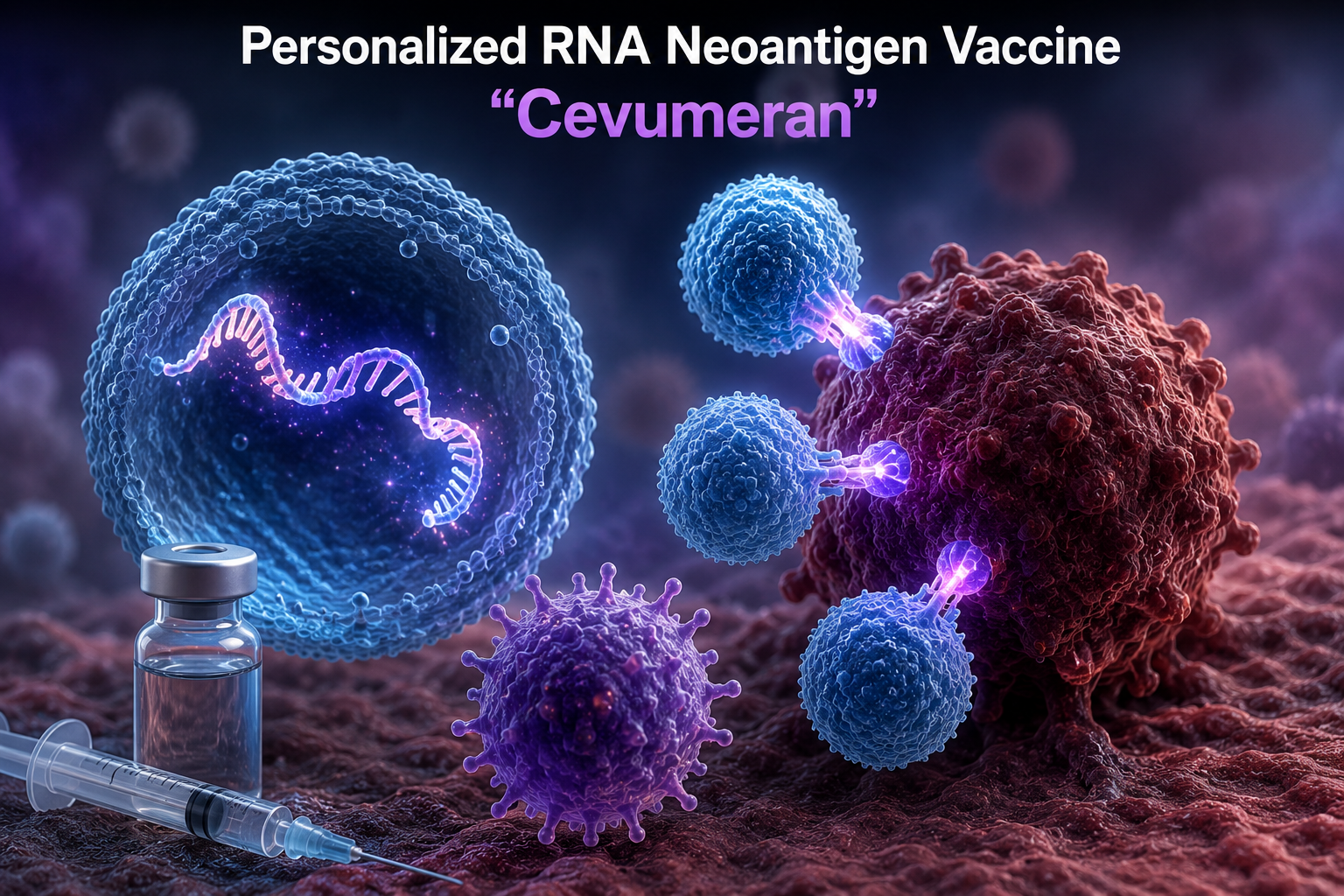
Personalized RNA Neoantigen Vaccine Stimulate Powerful T-Cell Responses in Pancreatic Cancer

Autogene Cevumeran, an individualized uridine mRNA–lipoplex nanoparticle vaccine, was developed to target pancreatic ductal adenocarcinoma (PDAC). In a phase I clinical study, the vaccine was found to be feasible, tolerable, and capable of generating strong antitumor immune responses in patients with surgically resected PDAC. Among vaccinated patients, 50% developed high-magnitude, neoantigen-specific T-cell responses, including functional CD8+ T cells that persisted for up to two years and re-expanded after a booster dose. Importantly, responders experienced longer recurrence-free survival, supporting further investigation of autogene cevumeran as a strategy to delay pancreatic cancer recurrence.

Personalized RNA Neoantigen Vaccine Stimulate Powerful T-Cell Responses in Pancreatic Cancer Read More »

Cell-Free Technology for Sustainable Vitamin B12 Manufacturing

A New Cell-Free Technology for Sustainable Vitamin B12 Manufacturing

A synthetic cell-free platform has been developed by scientists, containing 36 enzymes to produce adenosylcobalamin, an active form of vitamin B12. The complex biosynthetic pathway starts with 5-aminolevulinic acid (5-ALA), an inexpensive compound, followed by more than 30 biocatalytic reactions optimized through enzyme screening, reaction-condition control, and cofactor regeneration. The optimized system produced 417.42 μg/L of vitamin B12 from 5-aminolevulinic acid and 5.78 mg/L from hydrogenobyrinic acid. The study thus demonstrates the potential of modular cell-free systems for manufacturing complex natural compounds beyond conventional microbial fermentation.

A New Cell-Free Technology for Sustainable Vitamin B12 Manufacturing Read More »

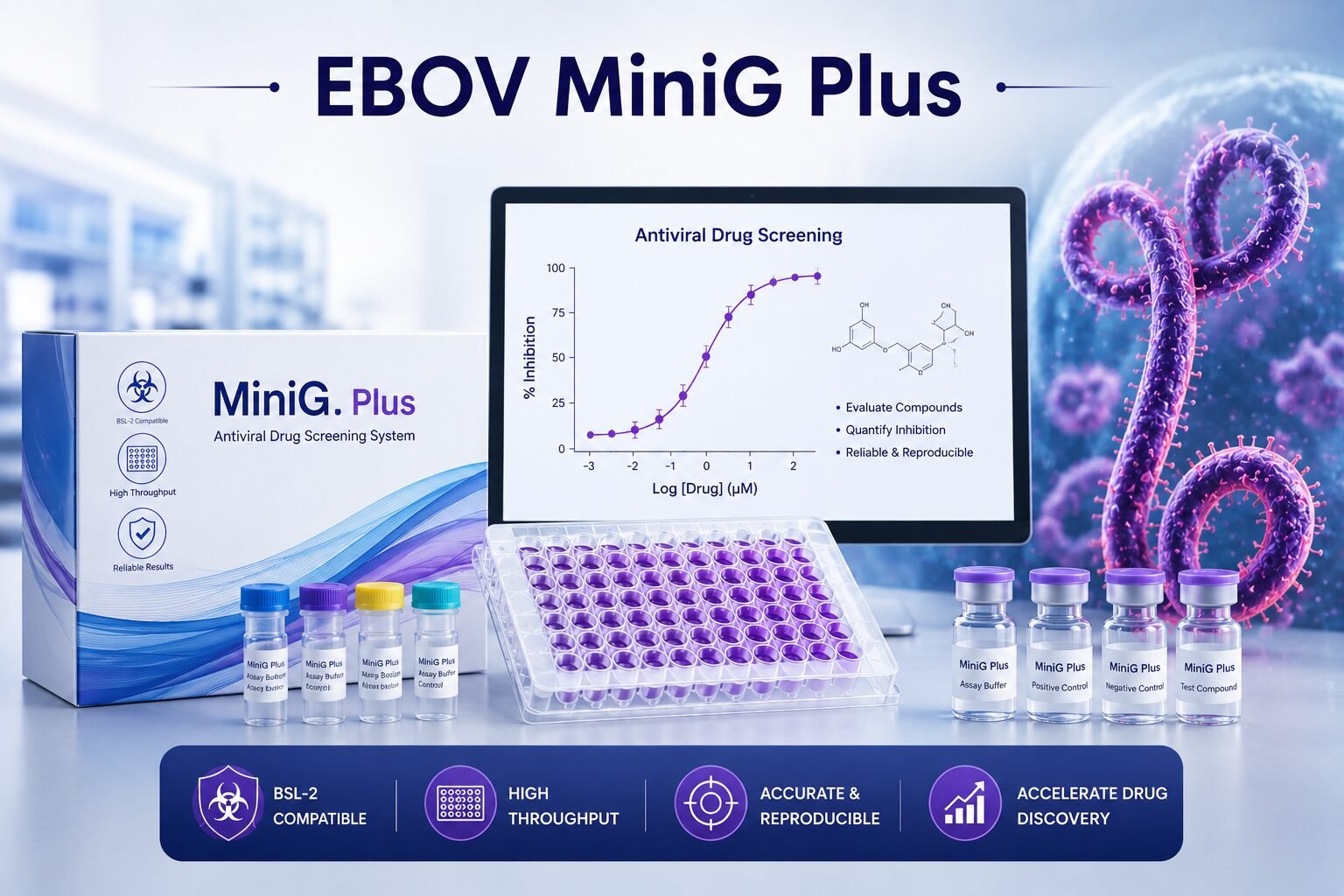
New Ebola Screening Platform, EBOV MiniG Plus

New Ebola Screening Platform, EBOV MiniG Plus, Advances High-Throughput Antiviral Drug Discovery

The EBOV MiniG Plus system could improve antiviral drug screening against Ebola virus under biosafety level 2 conditions. The study found that nucleocapsid proteins from several human coronaviruses, particularly SARS-CoV-2, significantly enhanced green fluorescent protein expression in the conventional Ebola virus minigenome system. Molecular analyses revealed increased transcriptional activity, with higher mRNA and cRNA levels. This enhanced system could achieve a higher Z-factor, indicating improved suitability for high-throughput screening. Testing with Remdesivir demonstrated concentration-dependent antiviral activity while maintaining comparable EC50 values, supporting its practical application in antiviral compound screening.

New Ebola Screening Platform, EBOV MiniG Plus, Advances High-Throughput Antiviral Drug Discovery Read More »

chatgpt image aug 18, 2026, 11 02 53 am

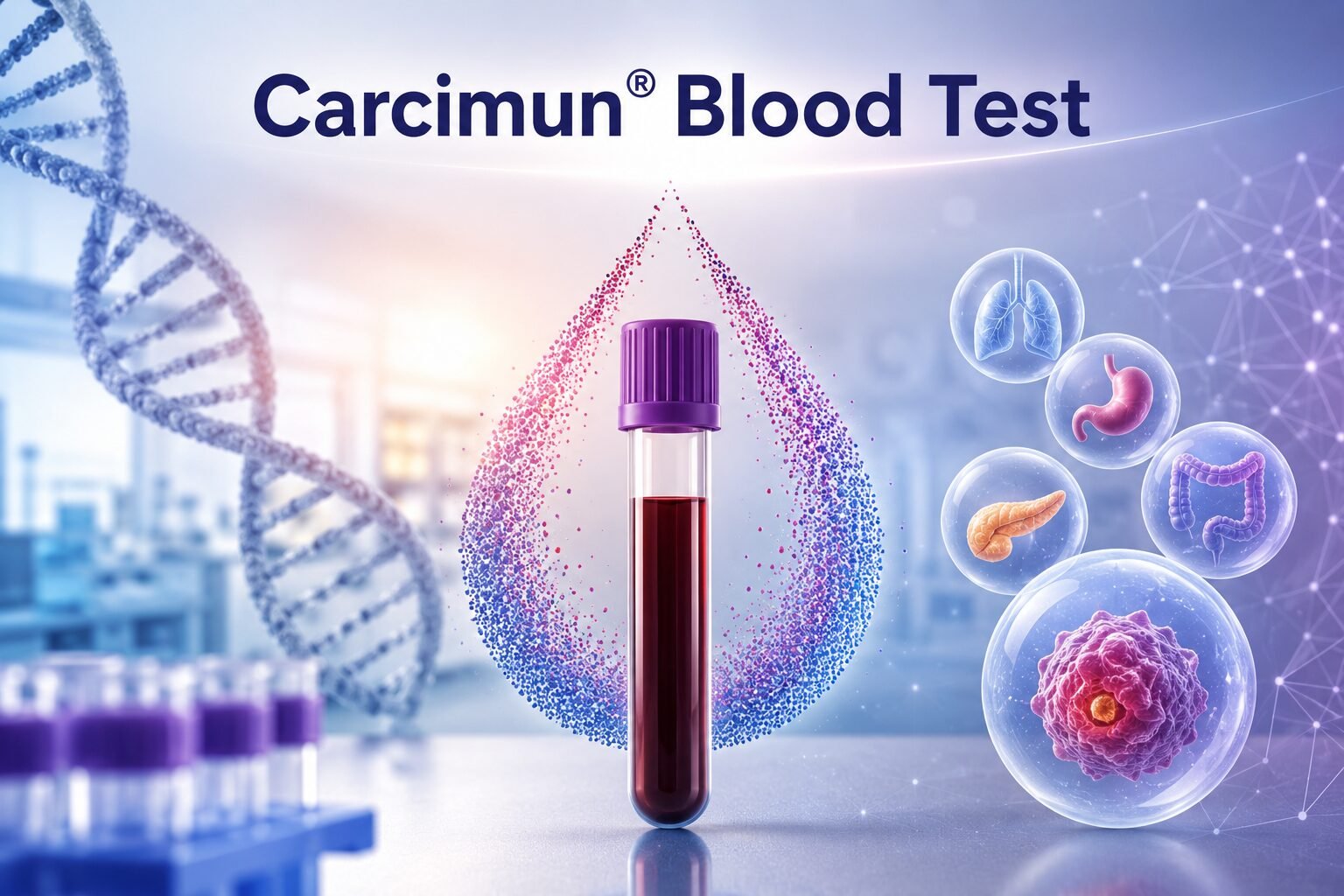
Carcimun® Blood Test shows 95.4% accuracy in identifying cancer

Carcimun® is a blood-based multi-cancer early detection test that measures optical changes in plasma proteins. The test achieved 95.4% accuracy, 90.6% sensitivity, and 98.2% specificity in distinguishing cancer patients from healthy participants and individuals with inflammatory conditions. As a minimally invasive testing approach, Carcimun® offers a potentially sensitive and practical tool for early cancer detection and screening. The test may eventually help clinicians identify patients who require further investigation earlier and more efficiently, potentially enabling timely medical attention and intervention at earlier stages of cancer.

Carcimun® Blood Test shows 95.4% accuracy in identifying cancer Read More »

chatgpt image aug 11, 2026, 11 56 49 pm

JPred4: Advanced Protein Secondary Structure Prediction for Modern Bioinformatics

JPred4 is an upgraded protein secondary structure prediction server designed to help researchers analyze protein sequences when experimental structures are unavailable. Its JNet 2.3.1 algorithm combines neural-network prediction, PSI-BLAST-derived evolutionary information, multiple sequence alignments, and improved HMM processing. Blind testing of the server efficiency on 150 previously unseen sequences achieved 82.0% three-state secondary structure accuracy, while solvent accessibility prediction reached up to 90.0%. The platform also offers batch processing, faster analysis, improved visualizations, and comprehensive alignment reports for protein structure modeling, fold recognition, functional-domain identification, mutation planning, and large-scale bioinformatics research.

JPred4: Advanced Protein Secondary Structure Prediction for Modern Bioinformatics Read More »

Antibiotic resistance in Preterm Infants

Early Antibiotic use increases Antibiotic Resistance in Preterm Infants

Study found that early antibiotic exposure affects antibiotic resistance in preterm infants. Analysis of meconium and stool samples from 30 preterm neonates, using metagenomic sequencing identified 175 antibiotic resistance genes (ARGs) across 15 drug classes. Beta-lactam, tetracycline, and aminoglycoside resistance are the most prevalent antibiotic resistance discovered. As found, ARG diversity increases as infants grow, while treated infants show greater beta-lactam and tetracycline resistance. Antibiotic exposure also alter bacterial metabolic pathways linked to survival, adaptation, and stress tolerance, highlighting the importance of responsible antibiotic use and stewardship in neonatal care.

Early Antibiotic use increases Antibiotic Resistance in Preterm Infants Read More »

chatgpt image aug 6, 2026, 10 34 23 am

PEtracer Technology: Revolutionizing Cell Lineage Mapping in Cancer Research

PEtracer is a novel prime editing-based lineage tracing technology that enables simultaneous mapping of cell lineage, gene expression, and spatial organization within intact tissues. By integrating prime editing with single-cell RNA sequencing and MERFISH spatial transcriptomics, cellular phylogenies are accurately reconstructed and tracked tumor evolution in a mouse model of metastatic breast cancer. PEtracer achieves high accuracy in lineage reconstruction while preserving spatial context, making it a powerful tool for studying development, tissue regeneration, cancer progression, and other complex biological processes.

PEtracer Technology: Revolutionizing Cell Lineage Mapping in Cancer Research Read More »

Portable Oxford Nanopore MinION

Portable Oxford Nanopore MinION for Forensic SNP Genotyping and DNA identification

Scientists have developed a portable MinION sequencer by Oxford Nanopore Technologies’ that has a strong potential for forensic single nucleotide polymorphism (SNP) genotyping. The device can accurately genotype 51 of the 52 SNP markers tested, underscoring its promise for forensic DNA identification. This portable nanopore sequencing could become a valuable tool for forensic DNA profiling, provided SNP panels are optimized and additional validation studies establish its reliability for routine forensic use.

Portable Oxford Nanopore MinION for Forensic SNP Genotyping and DNA identification Read More »

chatgpt image aug 3, 2026, 12 23 31 pm

Epigenetic changes explain why we regain weight after weight loss

Fat cells retain persistent obesity-related gene expression and epigenetic changes even after body weight returns to normal. Single-nucleus RNA sequencing revealed that adipose tissue continues to exhibit obesity-induced transcriptional changes despite significant weight loss. These lasting epigenetic alterations impair adipocyte function and prime the body for accelerated weight regain when re-exposed to a high-fat diet. The findings suggest that obesity leaves a durable cellular imprint, offering a biological explanation for the common “yo-yo” effect and identifying epigenetic memory as a promising target for improving long-term weight management and metabolic health.

Epigenetic changes explain why we regain weight after weight loss Read More »

chatgpt image jul 21, 2026, 12 18 20 pm

Vaccinium-Rich Berries May Support Diabetes and Kidney Health

Vaccinium berries, including blueberries, bilberries, cranberries, and lingonberries have been studied to be effective in managing diabetes, preventing diabetic kidney disease and diabetic retinopathy. Evidences from animal and human studies suggests that these berries, rich in anthocyanins and other polyphenols, may improve blood glucose control, reduce oxidative stress and inflammation, and protect kidney and retinal tissues. Vaccinium berries may thus serve as valuable dietary complements to conventional diabetes management strategies.

Vaccinium-Rich Berries May Support Diabetes and Kidney Health Read More »

st 2

Welcome to Sci-Tech Bulletin

Discover mind-bending science breakthroughs in your inbox every week

This field is required.

We don’t spam! Read our privacy policy for more info.

Scroll to Top