HEDD is an epigenetic drug database for drug discovery

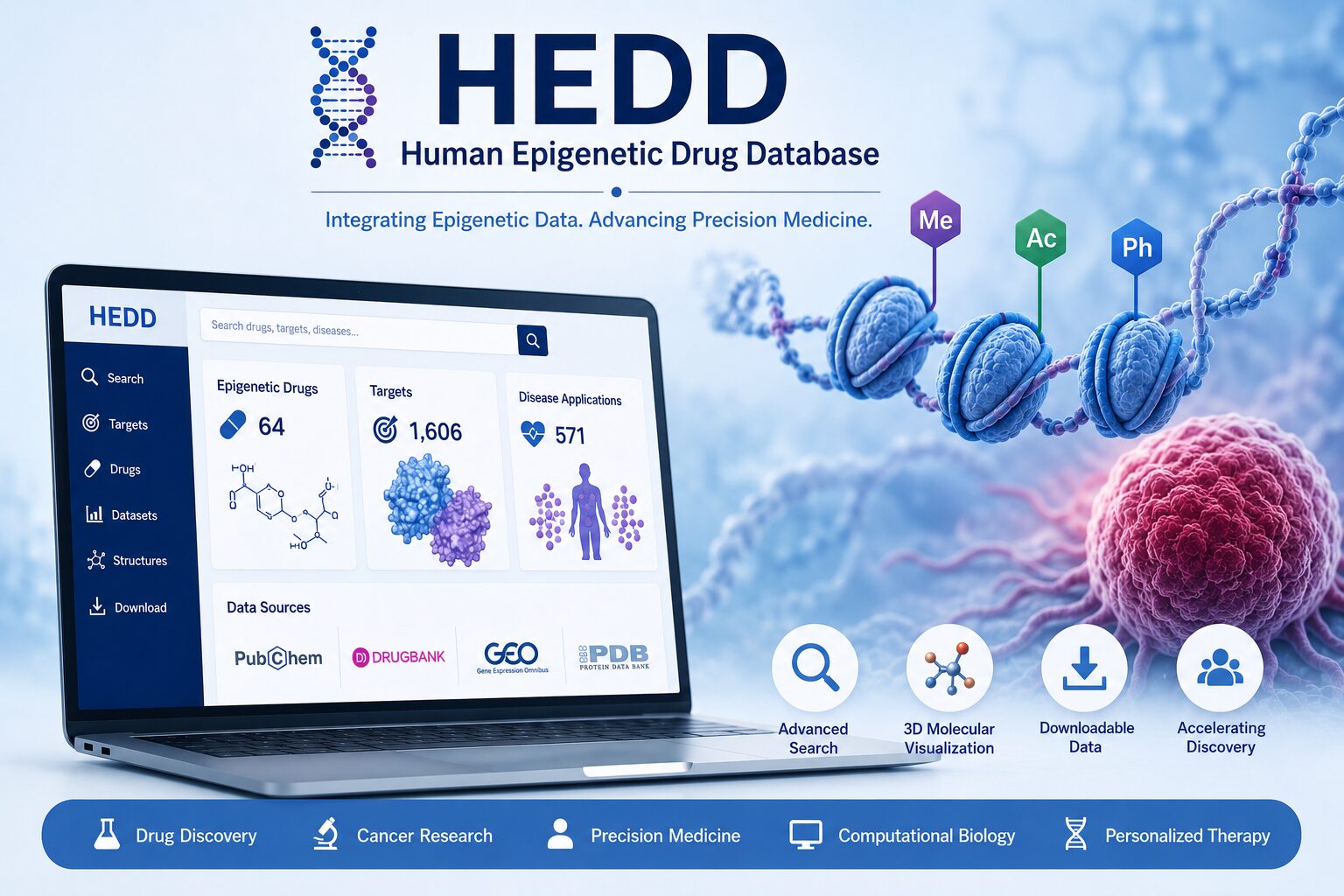
HEDD Database: Advancing Epigenetic Drug Discovery, Cancer Research, and Precision Medicine Through Integrated Biomedical Data

The Human Epigenetic Drug Database (HEDD) is a comprehensive platform developed to organize and integrate epigenetic drug research data, including disease & drug information, clinical trials, molecular targets, high-throughput datasets, and drug-target structures. Data collected from major biomedical databases such as PubChem, DrugBank, GEO, and PDB has been used to create a centralized resource for scientists and clinicians. HEDD contains datasets on 64 epigenetic drugs, 1,606 targets, and 571 disease applications. The database supports flexible searches, 3D molecular visualization, and downloadable datasets, enabling advancements in drug discovery, cancer research, precision medicine, computational biology, and personalized therapeutic development.
HEDD Database: Advancing Epigenetic Drug Discovery, Cancer Research, and Precision Medicine Through Integrated Biomedical Data Read More »

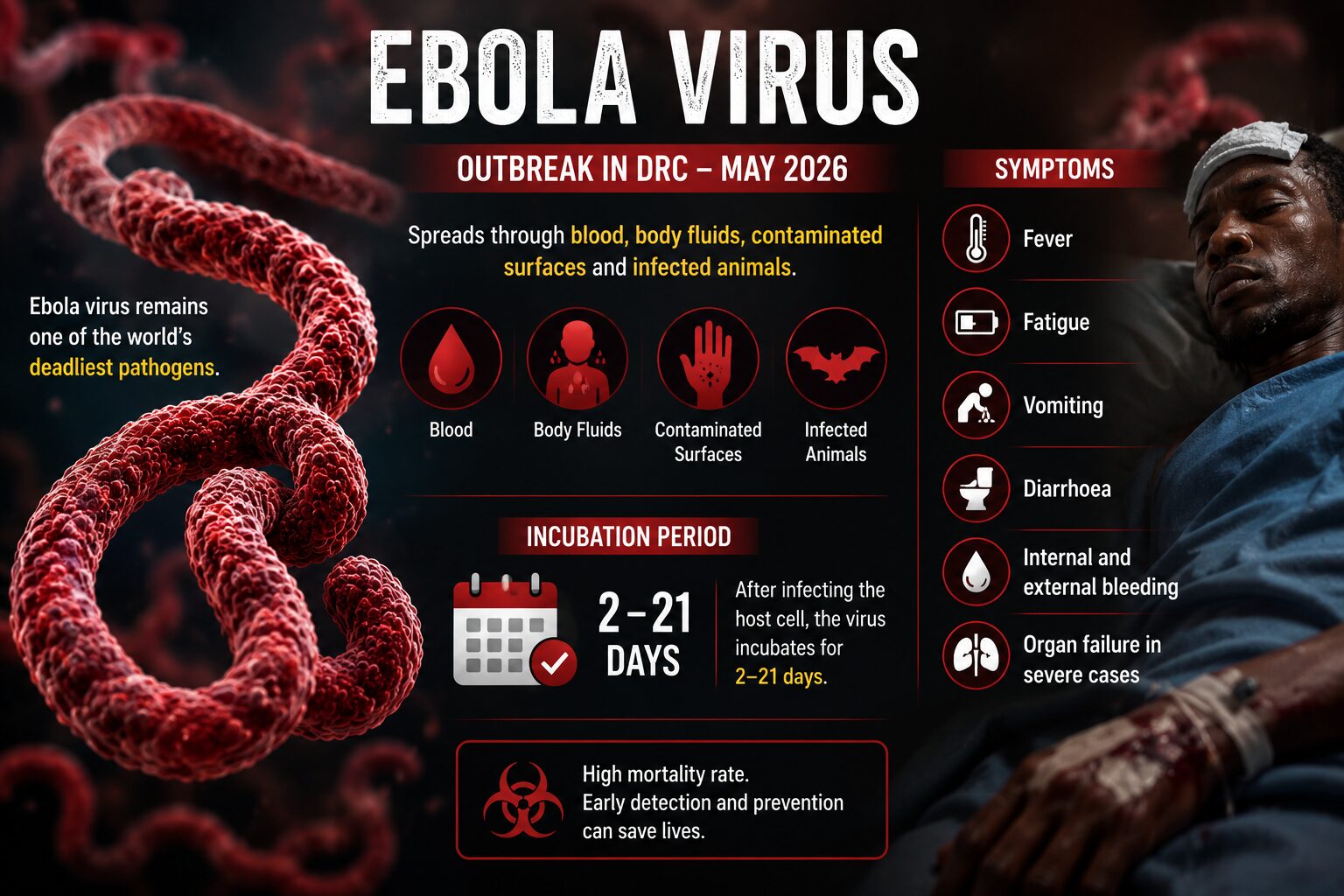
Ebola virus outbreak

Ebola Virus VP24 and VP35 Interactions Reveal New Antiviral Drug Targets

Scientists have discovered the Ebola virus proteins VP24 and VP35 that forms complex and coordinates the formation of nucleocapsid assembly through the polymerization of nucleoprotein (NP) along the viral RNA genome. VP35 functions as a chaperone and replication cofactor, stabilizing a newly identified outer third monomeric layer of NP, while VP24 helps stabilize and condense the nucleocapsid structure. The study also revealed that the intrinsically disordered region and C-terminal domain of the outer NP layer act as a flexible tether linking the nucleocapsid to the viral matrix. These conserved protein interfaces are promising targets for broad-spectrum antiviral therapies.

Ebola Virus VP24 and VP35 Interactions Reveal New Antiviral Drug Targets Read More »

Mesenchymal Stem cell therapy

Umbilical Cord Mesenchymal Stem Cells is a promising therapy for Leukemia, GVHD, and Aplastic Anemia

Umbilical cord mesenchymal stem cells (UC-MSCs) are emerging as promising therapies for hematological diseases due to their high proliferation, low immunogenicity, and strong immunomodulatory properties. UC-MSCs support hematopoietic stem cell growth, reduce graft-versus-host disease (GVHD), and improve outcomes after stem cell transplantation. The therapy can potentially be applied in treating aplastic anemia, immune thrombocytopenia, and certain blood cancers. Their ability to regulate immune responses and target tumor cells makes them valuable in regenerative medicine and oncology.

Umbilical Cord Mesenchymal Stem Cells is a promising therapy for Leukemia, GVHD, and Aplastic Anemia Read More »

chatgpt image may 5, 2026, 10 13 12 pm

Electrolyzed Water Is Transforming Hospital Disinfection and Hygiene Practices

Electrolyzed water (EW) is a cost-effective, eco-friendly disinfectant with strong antimicrobial and antibiofilm properties. Produced by electrolysis of salt and water, it generates hypochlorous acid (HOCl), which rapidly kills pathogens by damaging cell structures. Findings show significant effectiveness in wound care, hand hygiene, oral health, and surface disinfection, with fast microbial reduction and minimal toxicity. EW demonstrates strong practical potential for safer infection control in clinical and healthcare environments, although short shelf life of EW and reduced efficacy in organic matter can be addressed.

Electrolyzed Water Is Transforming Hospital Disinfection and Hygiene Practices Read More »

chatgpt image apr 21, 2026, 08 38 19 pm

Carbon Dots are revolutionising cancer diagnosis, drug delivery, and advanced therapies

Carbon dots (CDs) are carbon-based nanomaterials that are emerging as a potential biomaterial with appealing applications in bioimaging, biosensing, drug delivery, and radiation therapies such as photodynamic therapy (PDT) and photothermal therapy (PTT). Carbon dots enable precise bioimaging, allowing real-time detection of cancer cells, and can selectively target tumours when functionalized with specific drug molecules while reducing side effects. Their low-cost production and versatility due to their brilliant fluorescence, high photostability, good biocompatibility, and low toxicity make them a promising nanotheranostic tool for practical clinical use at affordable costs.

Carbon Dots are revolutionising cancer diagnosis, drug delivery, and advanced therapies Read More »

chatgpt image mar 16, 2026, 10 43 56 am

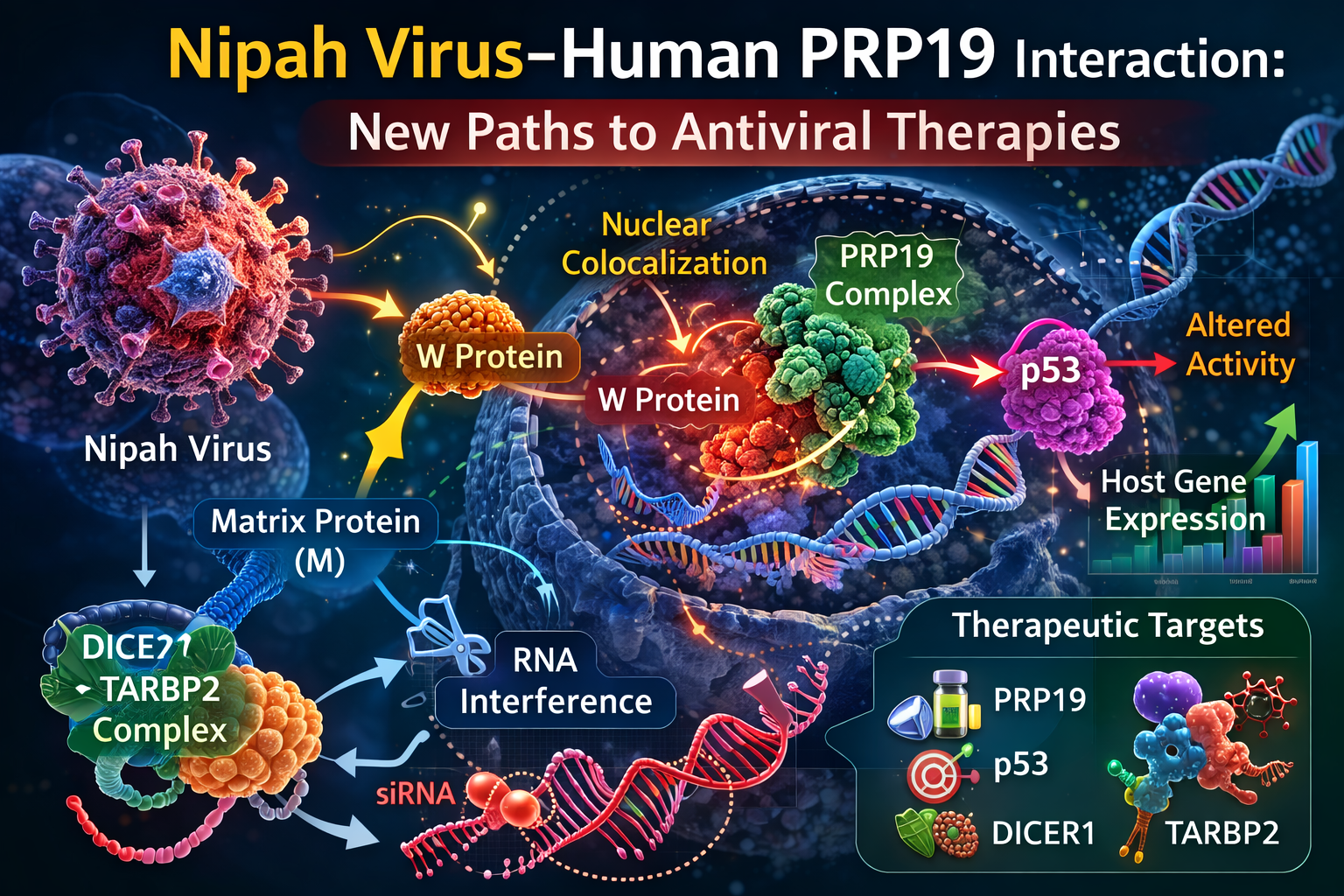
Scientists Discover New Paths to Antiviral Therapies Against Nipah Virus

Scientists mapped the interaction network between Nipah virus and human proteins using affinity purification and mass spectrometry. The study highlights strong nuclear colocalization of viral W protein with PRP19 complex, altering p53 activity and host gene expression while its matrix protein M interacts with the DICER1–TARBP2 complex linked to RNA interference. 101 such human–Nipah virus protein interactions were studied that revealed how Nipah virus interferes with cellular pathways and highlight potential host targets and existing drugs that could guide the development of new antiviral therapies.

Scientists Discover New Paths to Antiviral Therapies Against Nipah Virus Read More »

chatgpt image mar 10, 2026, 10 24 25 am

A Simpler Way to Harvest Skin Stem Cells with Microfluidic Technology in 45 Minutes

Isolation and enrichment of skin stem cells, especially CD34+cells along with dermal and epidermal cells, using two-stage microfluidic technology can now generate significant levels of hair follicles and sebaceous glands. The microfluidic devices coated with degradable antibody-functionalized hydrogels enables direct isolation and injection of CD34+ skin stem cells without prior labelling, completing the process in about 45 minutes. This technology, when scaled & multiplexed to rapidly separate large amounts of cell mixture, may improve the practicality and efficiency of regenerative therapies and future hair transplantation procedures.

A Simpler Way to Harvest Skin Stem Cells with Microfluidic Technology in 45 Minutes Read More »

chatgpt image mar 2, 2026, 10 22 54 am

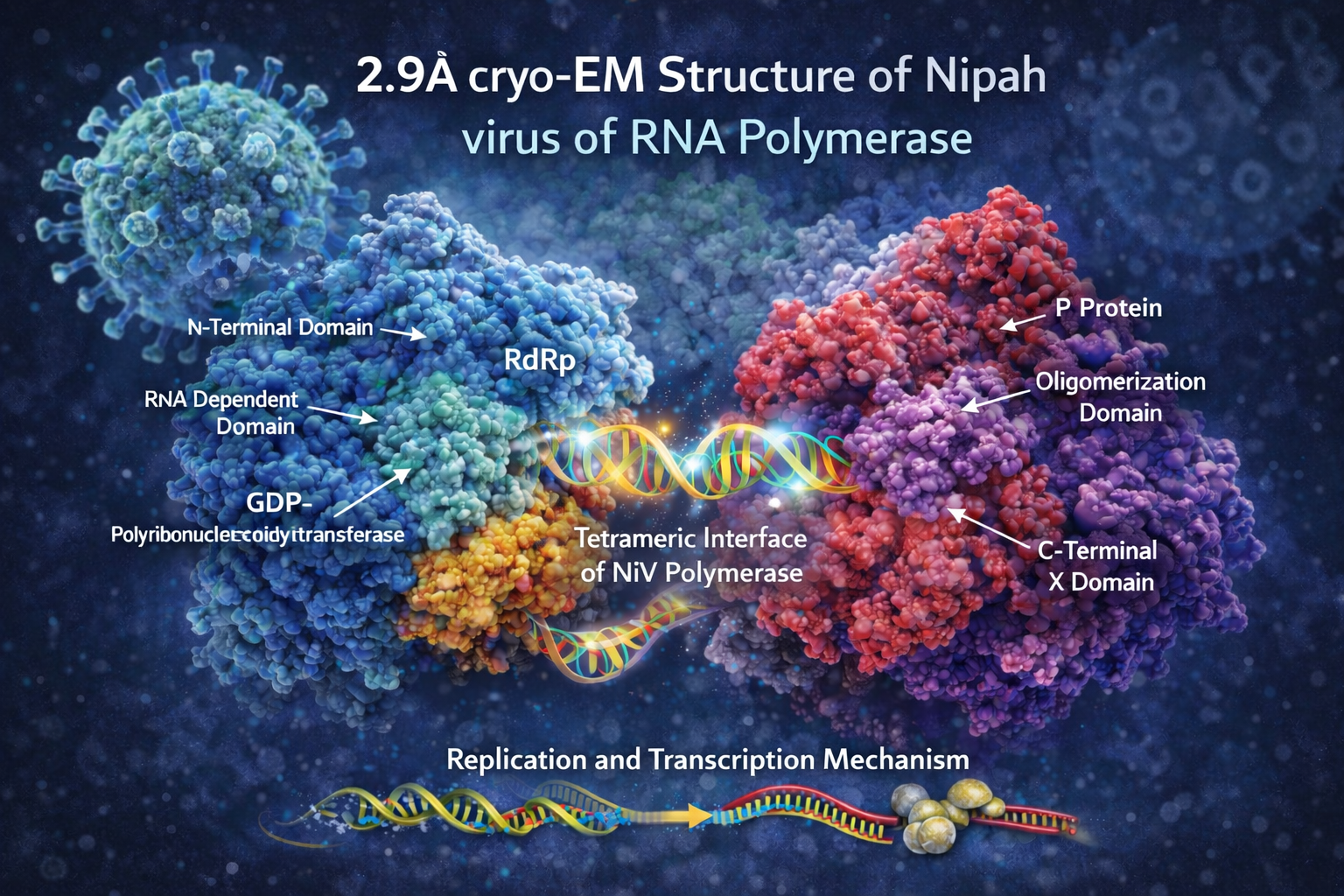
Cryo-electron microscopy reveals the structure of Nipah virus replication machinery

Study conducted by scientist at The Hormel Institute, University of Minnesota revealed the 2.9-Å cryo-electron microscopy structure of the Nipah virus L–P polymerase complexes. The L protein complex consists of conserved N-terminal domain, RNA-dependent RNA polymerase (RdRp), and GDP poly ribonucleotidyltransferase while the P protein complex consists of central oligomerization domain and the C-terminal X domain. These interact using the flexible antiparallel β-sheets domain of the P protomers and the fingers subdomain of RdRp forming a tetrameric organization crucial for replication and transcription mechanisms of the virus.

Cryo-electron microscopy reveals the structure of Nipah virus replication machinery Read More »

chatgpt image feb 25, 2026, 07 46 10 pm

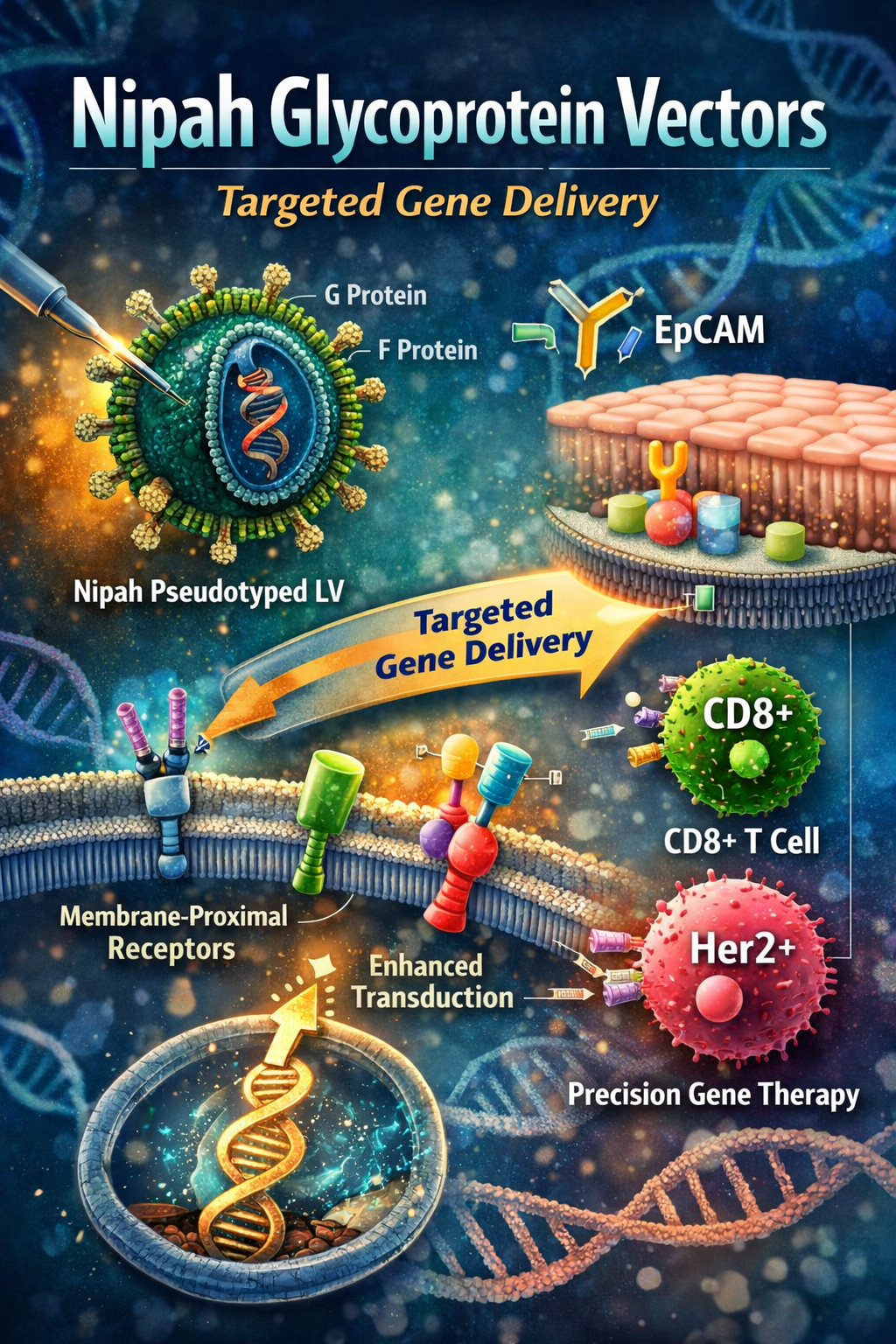
Nipah Virus–Pseudotyped Lentiviral Vectors: A Promising Strategy for Precision Gene Therapy

Engineered Nipah virus glycoproteins pseudotyped onto lentiviral vectors enable highly selective and efficient gene delivery. These vectors achieve up to 10–100-fold higher titers than measles-based systems, resist antibody neutralization, and preferentially target membrane-proximal receptors, significantly enhancing transduction efficiency and demonstrating strong potential for targeted gene therapy applications.

Nipah Virus–Pseudotyped Lentiviral Vectors: A Promising Strategy for Precision Gene Therapy Read More »

st 2

Welcome to Sci-Tech Bulletin

Discover mind-bending science breakthroughs in your inbox every week

This field is required.

We don’t spam! Read our privacy policy for more info.

Scroll to Top