chatgpt image jul 9, 2026, 01 14 52 am

Green Nanotechnology using plants for Cancer and Inflammation treatment

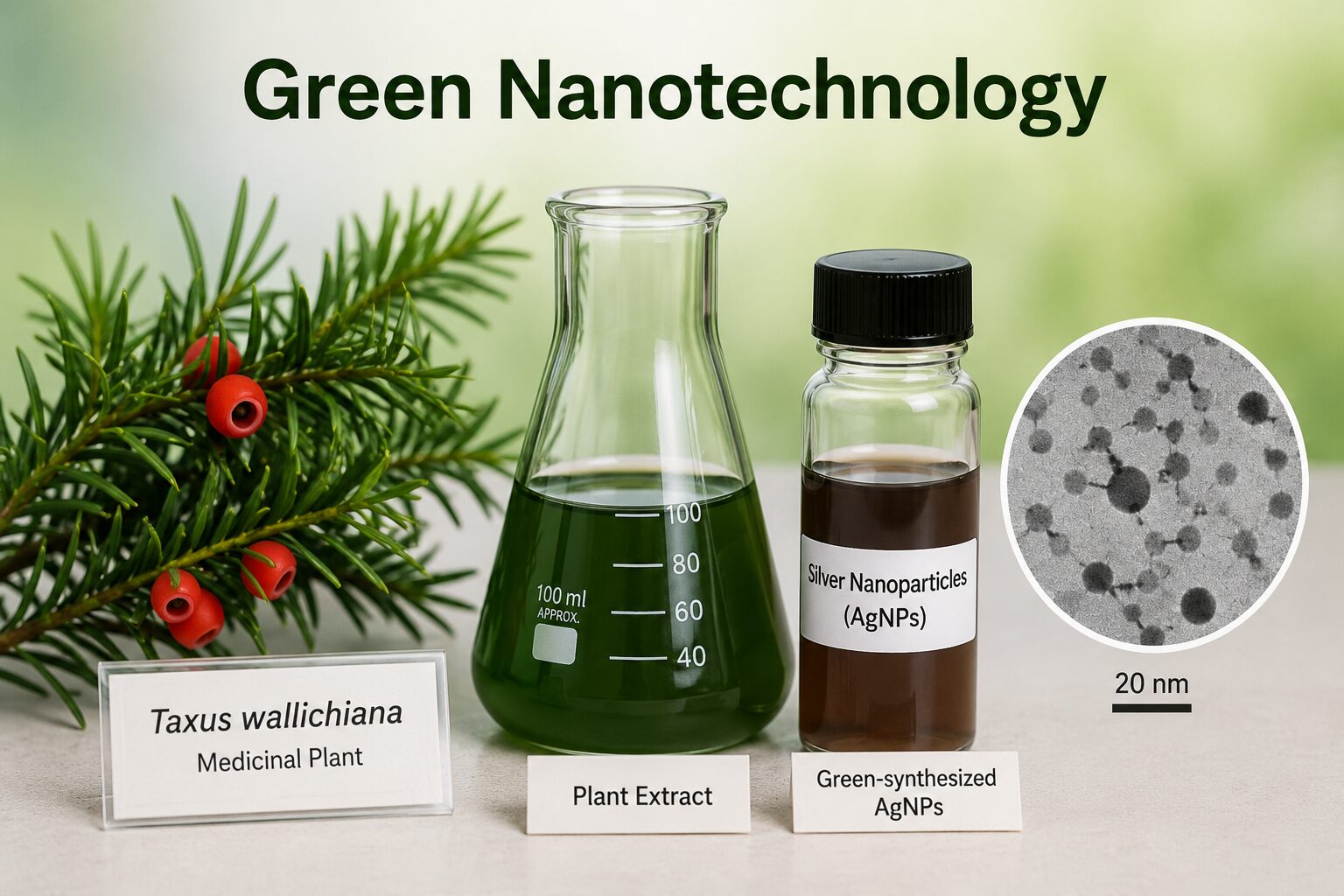
Green-synthesized silver nanoparticles (AgNPs) are developed using the medicinal plant Taxus wallichiana, whose phytochemicals served as natural reducing and stabilizing agents. Characterization by UV–Vis spectroscopy, SEM, FTIR, and GC–MS confirmed the formation of stable spherical and oval nanoparticles measuring 10–20 nm. Biological evaluation demonstrated enhanced cytotoxicity against U87 glioblastoma cells (up to 85.45%) and superior anti-inflammatory activity compared with the crude plant extract, while acute toxicity studies showed no adverse effects at doses up to 2000 mg/kg. These findings underscore the potential of Taxus wallichiana-derived AgNPs as sustainable nanotherapeutics for cancer and inflammatory diseases.

Green Nanotechnology using plants for Cancer and Inflammation treatment Read More »
Global Antibiotic Use: Trends and Projections Through 2030

Antimicrobial Resistance and Global Antibiotic Use: Trends and Projections Through 2030

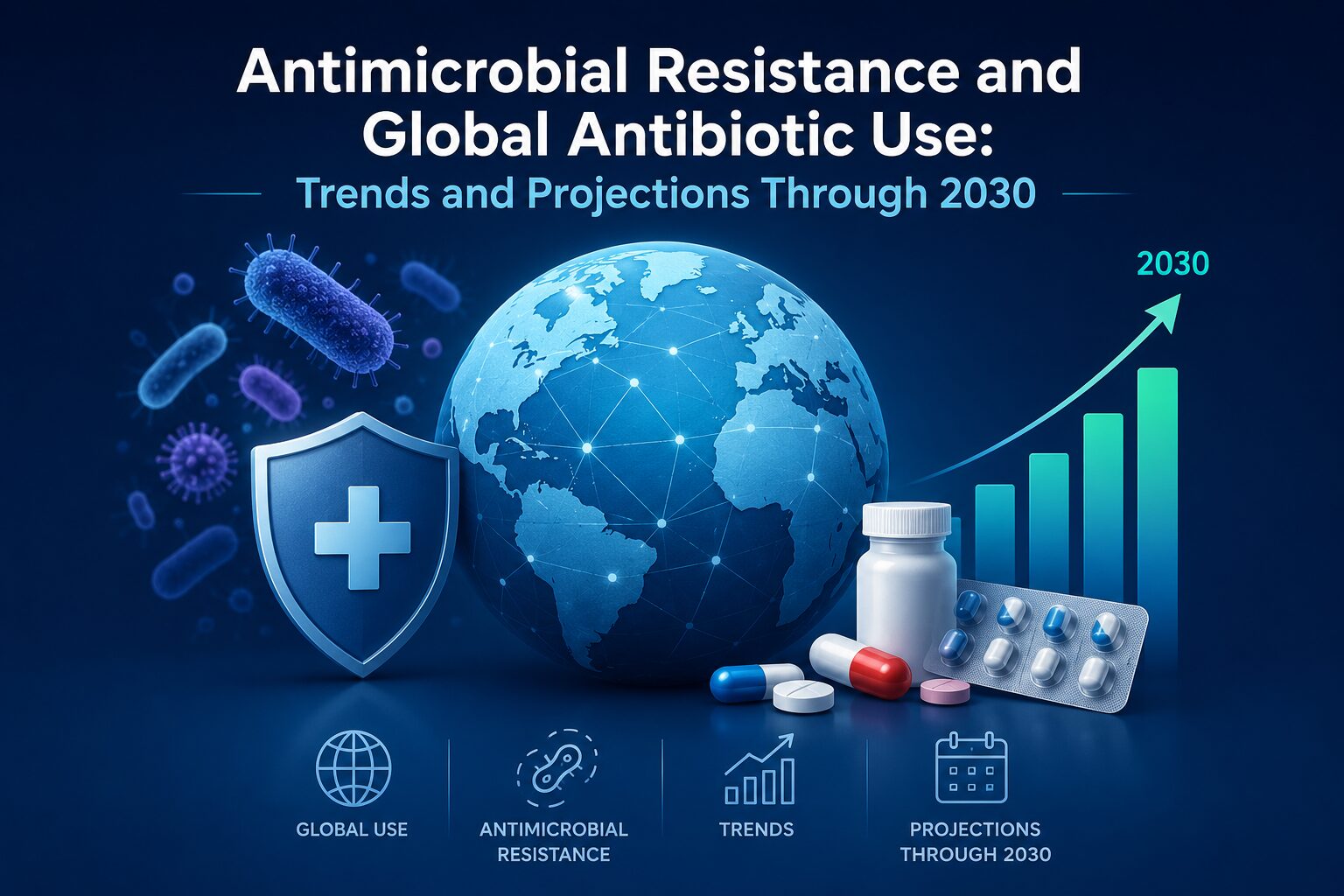
Global antibiotic consumption increased steadily between 2016 and 2023, with only a temporary decline during the COVID-19 pandemic before rebounding, particularly in middle-income countries. An analysis of data from 67 countries found a 16.3% increase in antibiotic consumption over the study period. Looking ahead, the researchers project global antibiotic use to rise by 52.3%, from 49.3 billion defined daily doses (DDDs) in 2023 to 75.1 billion DDDs by 2030, if current trends continue. Stronger antimicrobial stewardship, improved sanitation, expanded vaccination, better diagnostics, and effective regulatory policies are essential to curb unnecessary antibiotic use and slow the spread of antimicrobial resistance.

Antimicrobial Resistance and Global Antibiotic Use: Trends and Projections Through 2030 Read More »

chatgpt image jun 16, 2026, 12 22 27 pm

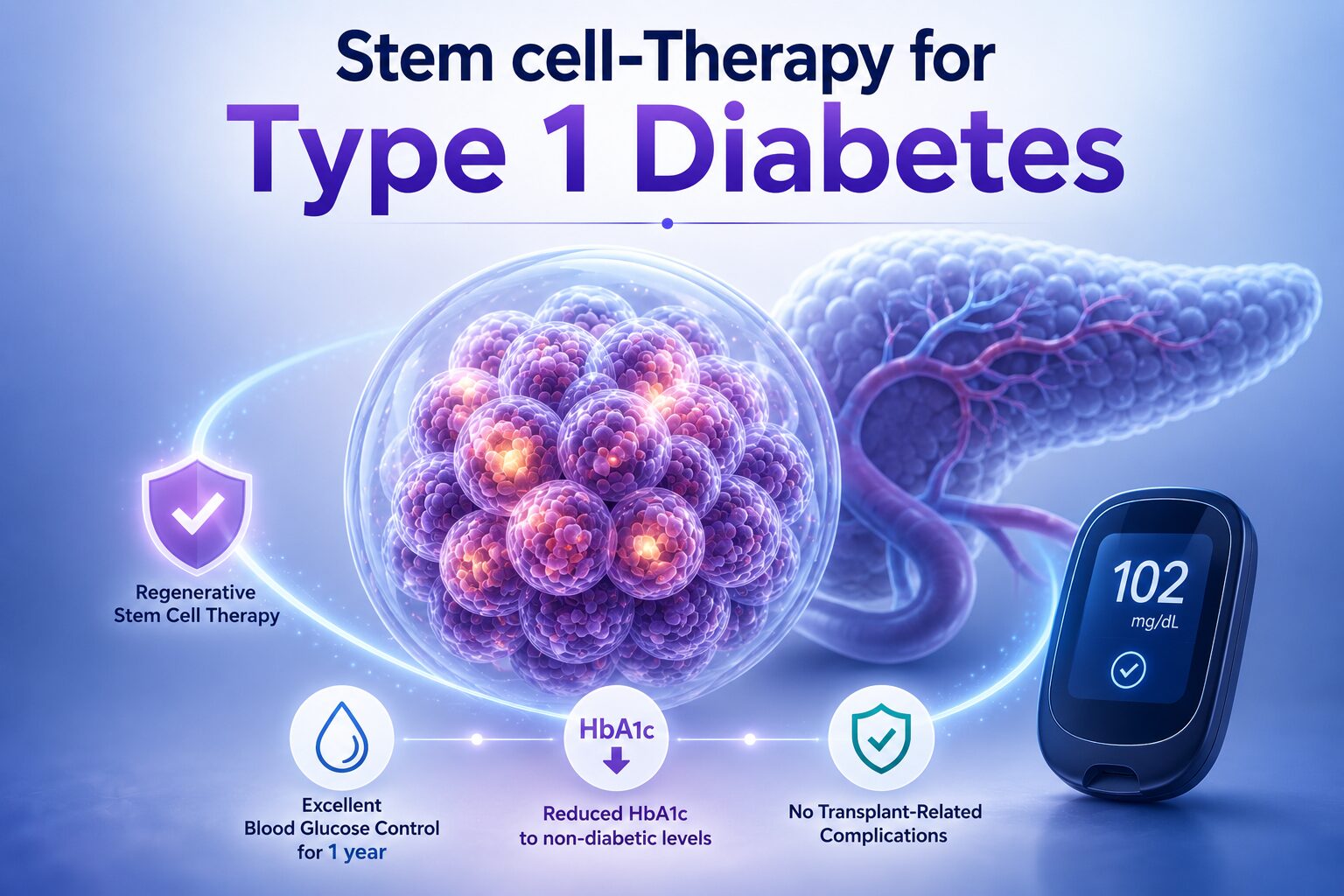
First Human Trial of stem cell-derived islet transplant offers new hope for Type 1 Diabetes

This first-in-human Phase I clinical trial evaluated a personalized stem cell therapy for Type 1 Diabetes. Researchers chemically reprogrammed the patient’s own fat-derived cells into insulin-producing pancreatic islet cells and transplanted them beneath the abdominal anterior rectus sheath. The patient achieved insulin independence within 75 days, maintained excellent blood glucose control for one year, and reduced HbA1c to non-diabetic levels without transplant-related complications. Although based on a single patient, the study highlights the promising potential of regenerative stem cell therapy for treating Type 1 Diabetes.

First Human Trial of stem cell-derived islet transplant offers new hope for Type 1 Diabetes Read More »

Berberine-Probiotic Therapy

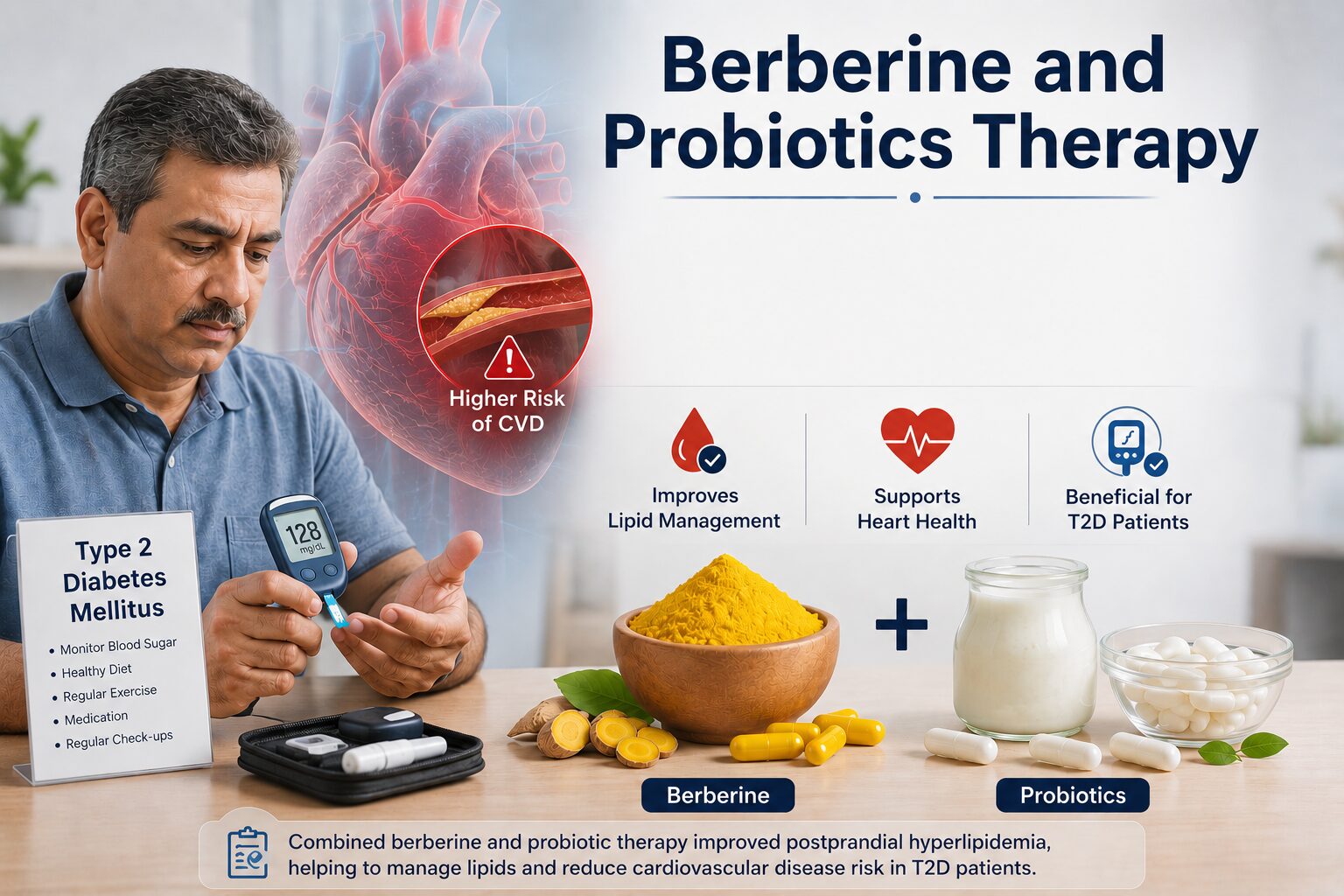
Berberine and Probiotics create a ‘Gut Lipid Sink’ to improve cholesterol profile & prevent CVD risk

A recent clinical study found that combining berberine (BBR) with probiotics significantly improved postprandial hyperlipidemia in newly diagnosed patients with Type 2 diabetes. After 12 weeks, the combination therapy reduced post-meal total cholesterol and LDL cholesterol more effectively than either treatment alone. Multi-omics analyses also revealed notable reductions in lipid metabolites, including free fatty acids and phospholipids. Bifidobacterium breve has been identified as a key contributor, with berberine enhancing bacterial genes involved in fatty acid metabolism. These findings highlight the potential of berberine-probiotic therapy to improve lipid management and reduce cardiovascular risk in T2D patients.

Berberine and Probiotics create a ‘Gut Lipid Sink’ to improve cholesterol profile & prevent CVD risk Read More »

Moringa oleifera offers a cost-effective solution for microplastic removal from drinking water

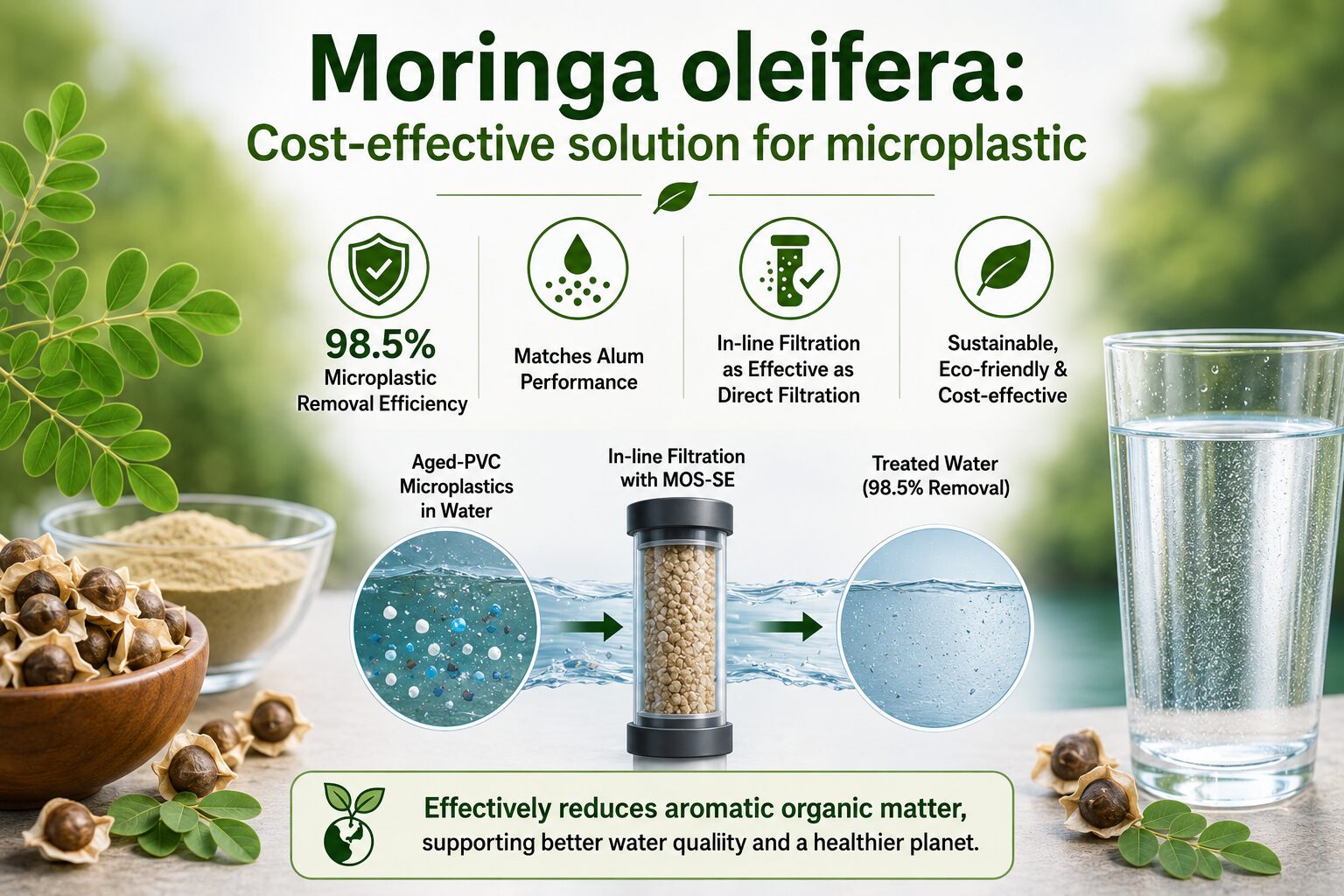
Moringa oleifera offers a cost-effective solution for microplastic removal from drinking water

Recently, Moringa oleifera have been studied to reduce aged polyvinyl chloride microplastics (Aged-PVC MPs) from drinking water. Acting as a natural coagulant, Moringa oleifera seed saline extract (MOS-SE), achieved an impressive 98.5% microplastic removal efficiency, matching the performance of conventional alum-based treatment. When tested, in-line filtration was found to be as effective as direct filtration, eliminating the need for an additional flocculation step and reducing treatment complexity and costs. Additionally, MOS-SE effectively reduced aromatic organic matter, demonstrating its potential as a sustainable, eco-friendly, and cost-effective solution for modern drinking water treatment.

Moringa oleifera offers a cost-effective solution for microplastic removal from drinking water Read More »

Near-Infrared II (NIR-II) imaging technology

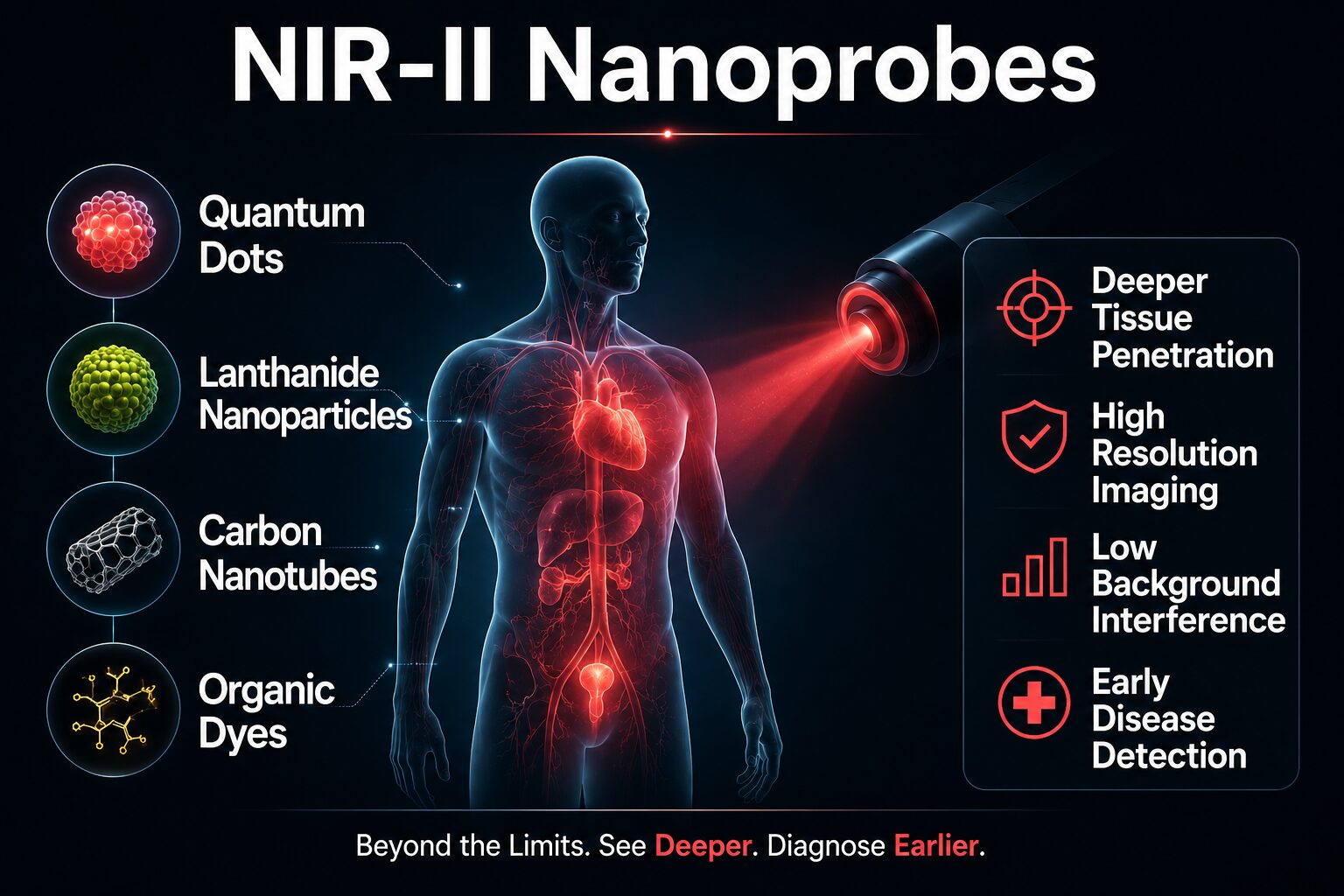
NIR-II Nanoprobes are transforming cancer imaging and image-guided surgery

Near-Infrared II (NIR-II) imaging technology is transforming biomedical imaging and disease diagnosis through the use of advanced probes such as quantum dots, lanthanide nanoparticles, carbon nanotubes, and organic dyes. Operating within the 1000–1700 nm wavelength range, NIR-II imaging offers deeper tissue penetration, higher spatial resolution, reduced autofluorescence, and superior signal-to-noise ratios compared with conventional NIR-I imaging (700–900 nm). These advantages have enabled significant progress in cancer detection, image-guided surgery, stem cell tracking, inflammation imaging, targeted drug delivery, and tumor vascular monitoring, resulting in enhanced diagnostic accuracy, improved therapeutic precision, and greater potential for personalized medicine.

NIR-II Nanoprobes are transforming cancer imaging and image-guided surgery Read More »

chatgpt image jun 2, 2026, 10 58 34 am

Cucurbitacin D reduces colorectal cancer cell growth through multiple signalling pathways

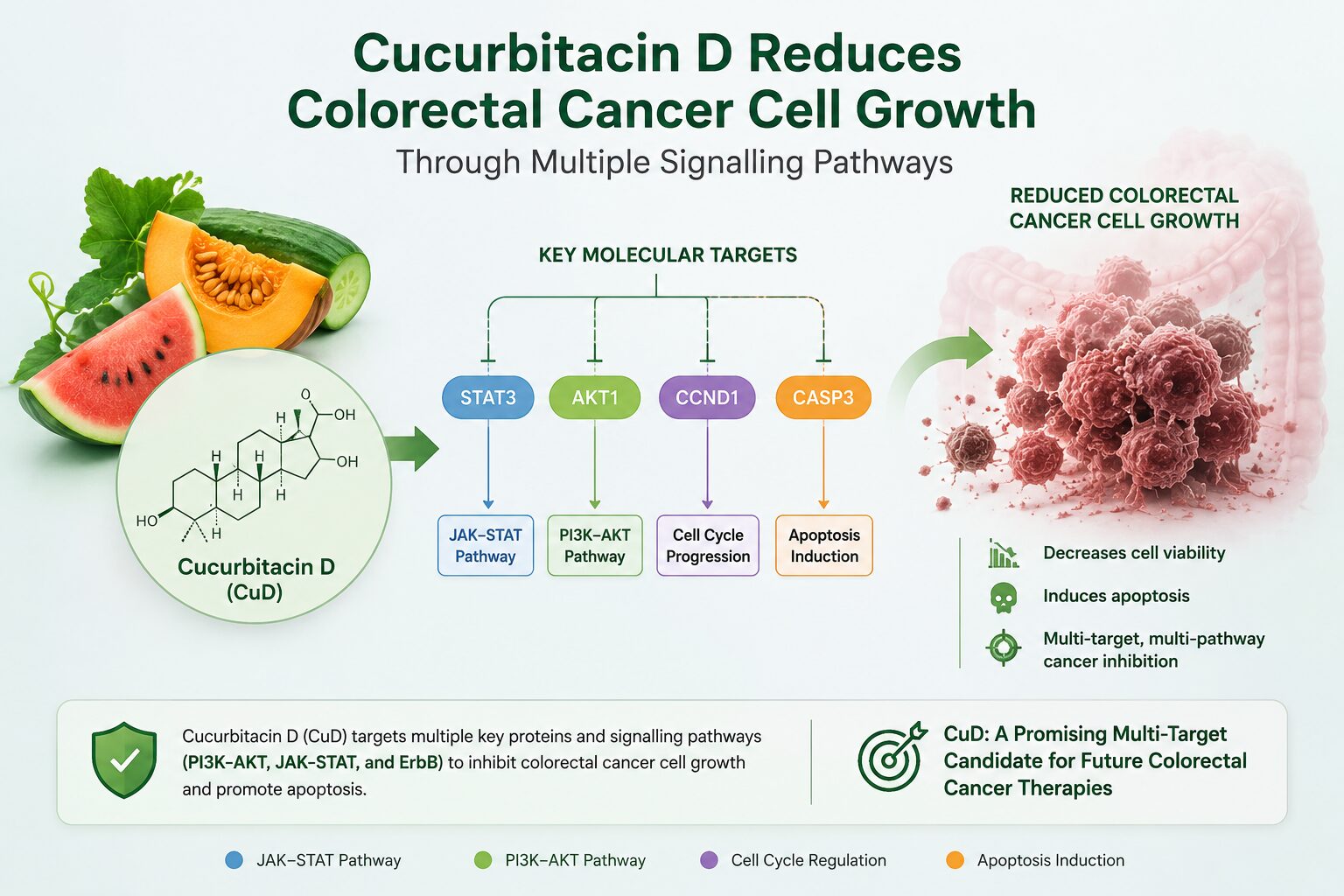
Cucurbitacin D (CuD), a triterpenoid, commonly found in cucumber, pumpkin, and watermelon have been found to significantly reduce cancer cell viability and induce apoptosis in multiple colorectal cancer cell line. Network analysis and computational study identified four key molecular targets, namely; STAT3, AKT1, CCND1, and CASP3, that strongly interact with CuD and hinders cancer growth and survival. The study also highlighted the involvement of the PI3K-AKT, JAK-STAT, and ErbB signaling pathways, suggesting CuD as a promising multi-target candidate for future colorectal cancer therapies.

Cucurbitacin D reduces colorectal cancer cell growth through multiple signalling pathways Read More »

AI based CRISPER screening

AI-Powered CRISPR screening reveals new therapeutic targets for Ebola virus infection

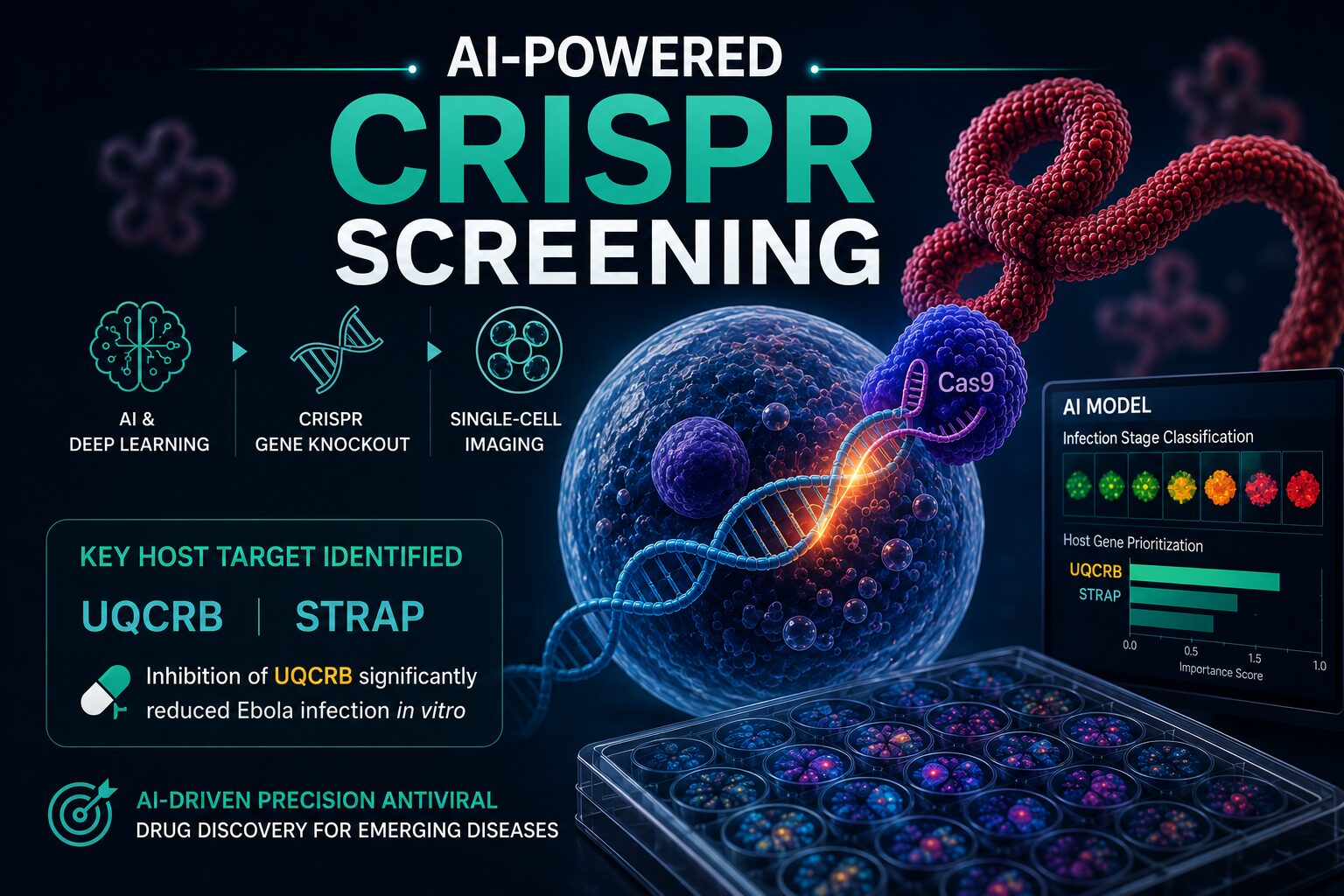
Deep learning models and CRISPR-based gene knockout techniques uncovered 998 host genes involved in Ebola virus replication. To identify potential therapeutic targets, researchers combined artificial intelligence (AI), image-based genome-wide CRISPR screening, and single-cell imaging technologies. AI-powered autoencoders and machine learning algorithms were used to classify different stages of viral infection and identify critical host factors, including UQCRB and STRAP. Notably, inhibition of UQCRB using a small-molecule compound significantly reduced Ebola infection in vitro, highlighting the promising potential of AI-driven precision antiviral drug discovery for emerging infectious diseases.

AI-Powered CRISPR screening reveals new therapeutic targets for Ebola virus infection Read More »

Bundibugyo Ebola virus vaccine

Bundibugyo Ebola virus vaccine shows life-saving potential post-exposure

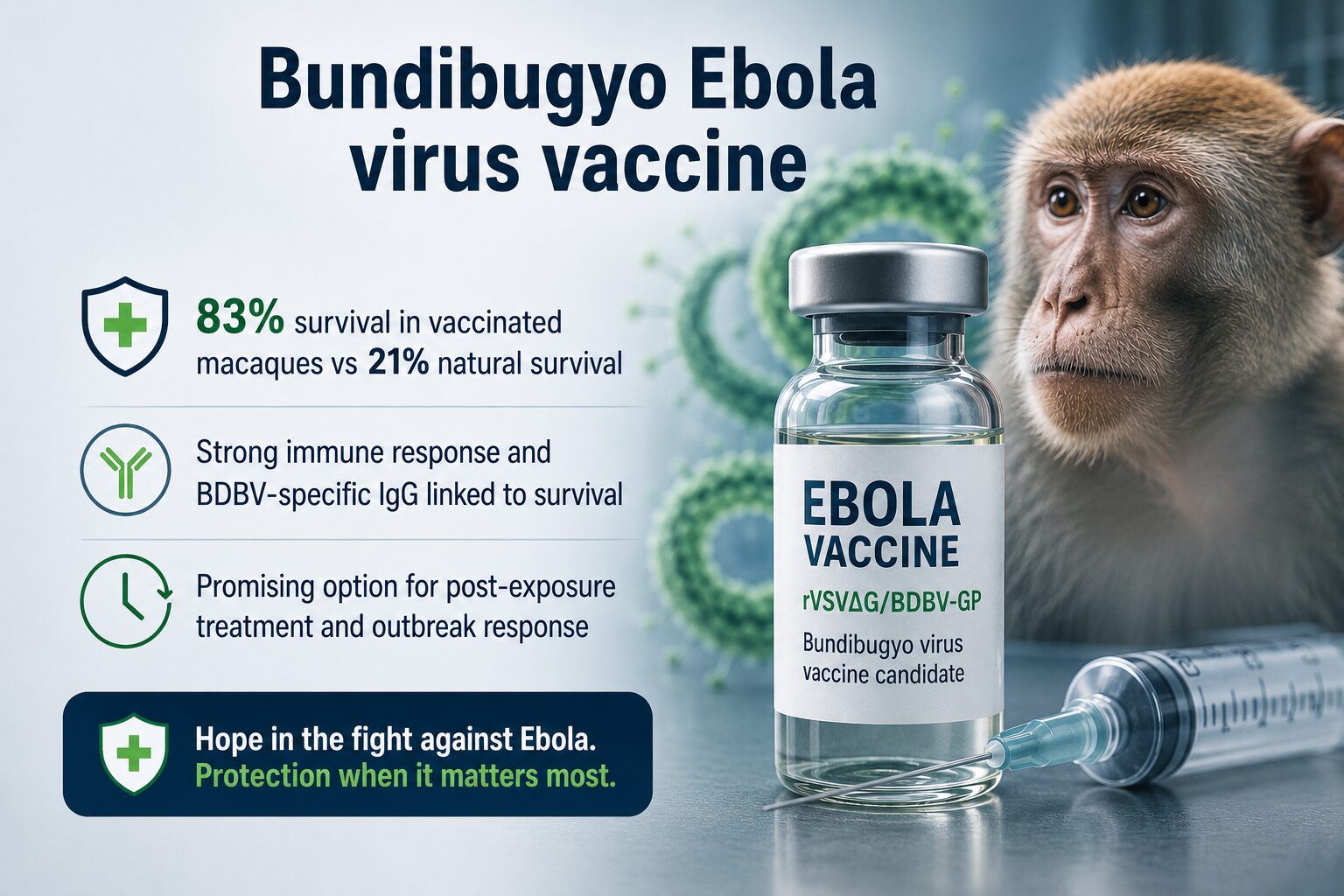
Filovirus vaccine, Ervebo candidate rVSVΔG/BDBV-GP, has shown to provide therapeutic protection against Bundibugyo strain of Ebola virus. About 83 % of the cynomolgus macaques infected with virulent strain of the Bundibugyo virus displayed survival benefit from the vaccine as compared to the natural survival rate of 21%. The study found that early immune activation, strong interferon responses, and development of BDBV-specific IgG antibodies were linked to survival, highlighting the vaccine’s potential for emergency outbreak response and post-exposure treatment.

Bundibugyo Ebola virus vaccine shows life-saving potential post-exposure Read More »

Ebola Antibody

New Low-Dose Ebola Monoclonal Antibody Offers Hope for Future Broad-Spectrum Filovirus Therapies

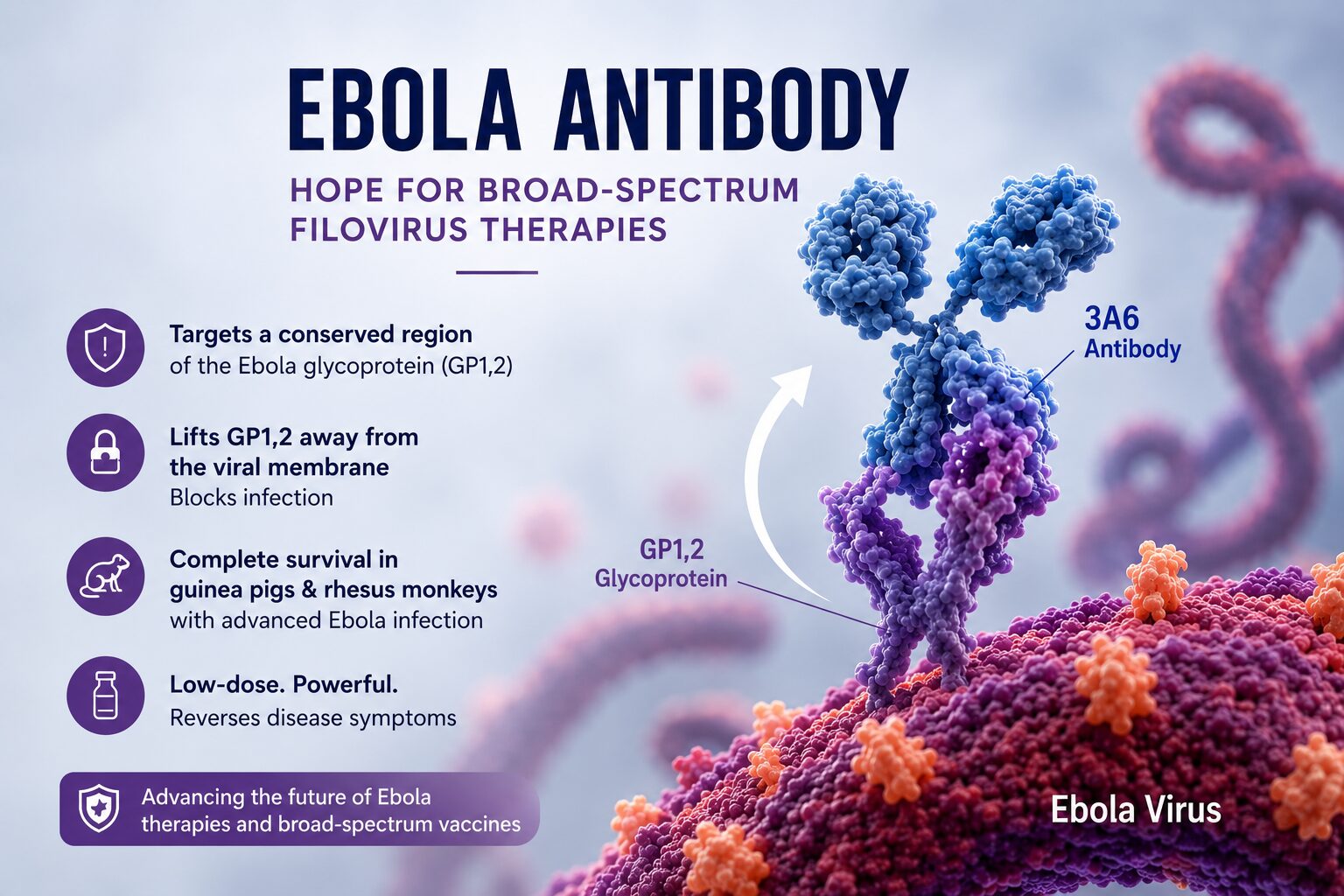
Monoclonal antibody 3A6 (mAb 3A6) is finding its way as a promising and powerful therapy protection against Ebola virus disease by targeting a conserved region of the Ebola glycoprotein. mAb 3A6 binds to a GP1,2 glycoprotein and “lifts” it away from the viral membrane, blocking the infection. In guinea pigs and rhesus monkeys with advanced Ebola infection and high viral loads, low dose mAb 3A6 treatment achieved complete survival and reversed disease symptoms. These findings could guide development of more effective, lower-cost Ebola therapies and broad-spectrum filovirus vaccines.

New Low-Dose Ebola Monoclonal Antibody Offers Hope for Future Broad-Spectrum Filovirus Therapies Read More »

st 2

Welcome to Sci-Tech Bulletin

Discover mind-bending science breakthroughs in your inbox every week

This field is required.

We don’t spam! Read our privacy policy for more info.

Scroll to Top