Family research for mental illness

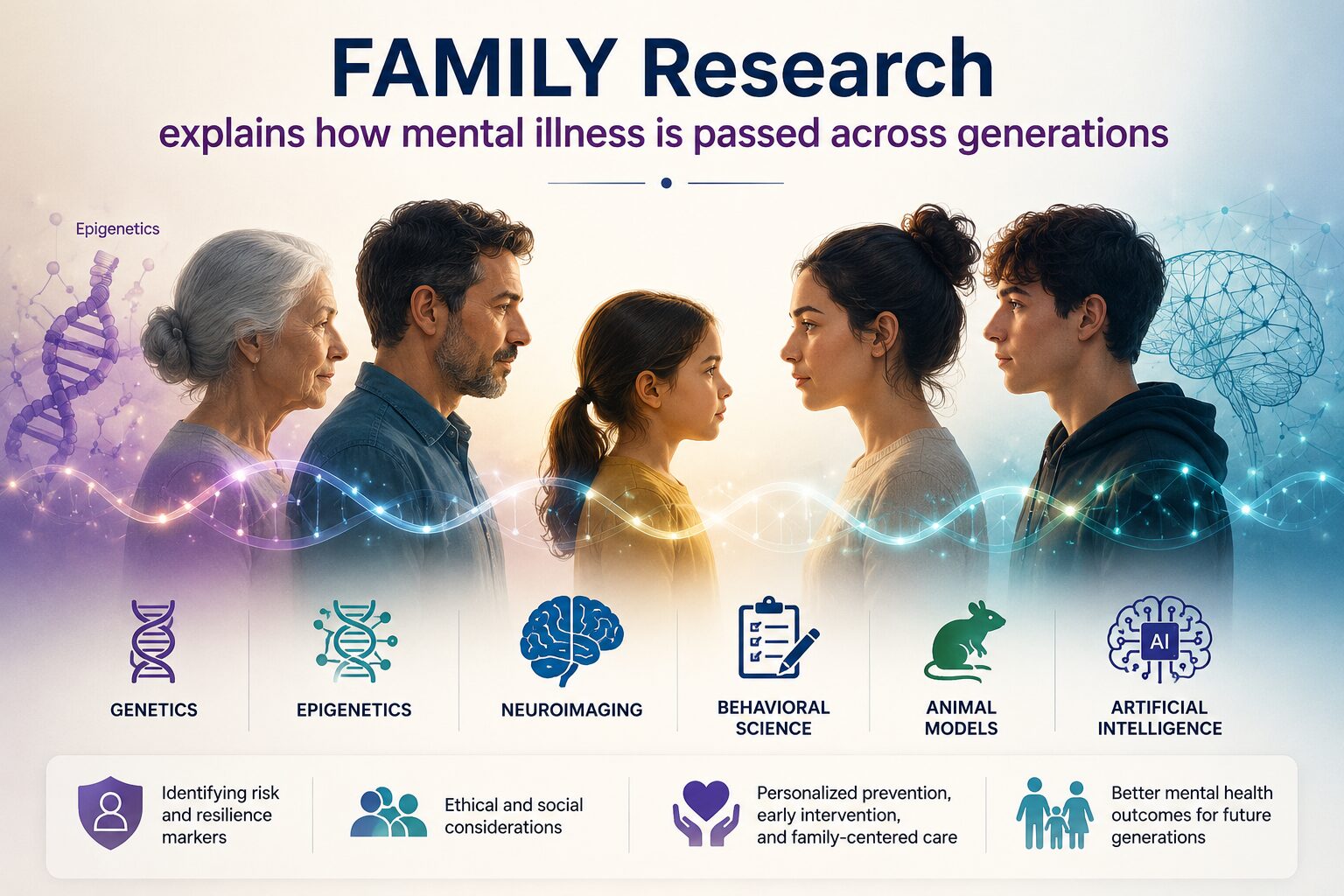
FAMILY Research explains how mental illness is passed across generations

More than 50% of children with a parent affected by severe mental illness may develop a mental health disorder by early adulthood. The FAMILY project is an innovative multimodal risk prediction framework that integrates genetics, epigenetics, neuroimaging, behavioral science, animal models, and artificial intelligence to better understand how mental illness is transmitted across generations. FAMILY investigates the complex interaction between genetic, environmental, epigenetic, and neurodevelopmental factors to identify both risk and resilience markers. The project also addresses ethical and social implications of risk prediction, supporting the development of personalized prevention strategies, early intervention tools, and family-centered mental healthcare guidelines.

FAMILY Research explains how mental illness is passed across generations Read More »

Metabolic Abnormalities and Omega-3 Deficiency Linked to Early Psychosis Risk in Young Adults

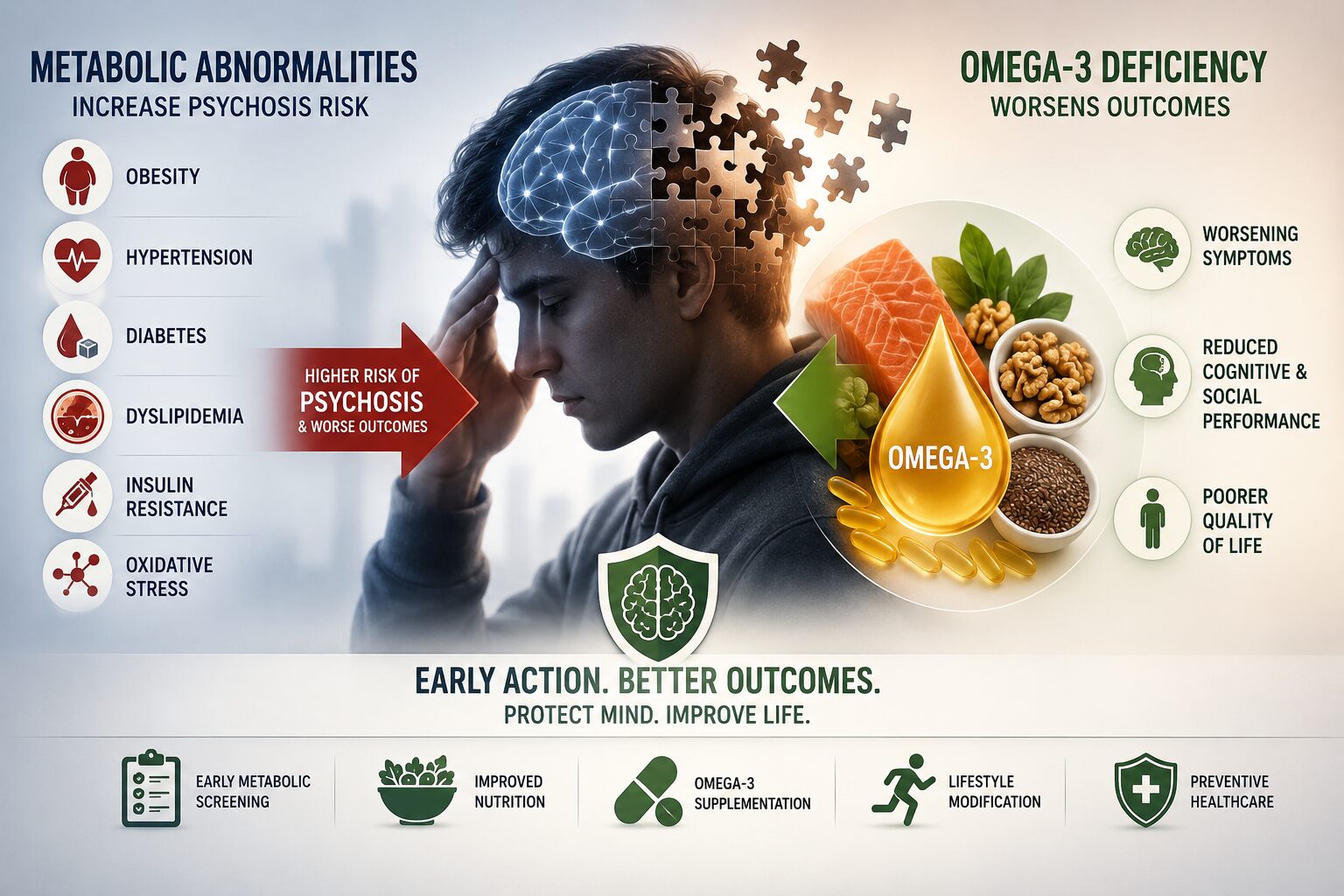
Metabolic Abnormalities and Omega-3 Deficiency Linked to Early Psychosis Risk in Young Adults

Metabolic abnormalities such as obesity, hypertension, diabetes, dyslipidemia, insulin resistance, and elevated oxidative stress are found to be associated with the risk of psychosis, symptom severity, and impaired daily functioning. In addition, low dietary Omega-3 fatty acid is strongly linked to worsening psychiatric symptoms, reduced cognitive and social performance, and poorer overall quality of life. Early metabolic screening, improved nutrition, Omega-3 supplementation, lifestyle modification, and preventive healthcare strategies may play a vital role in reducing psychosis risk, enhancing brain health, and improving long-term mental and physical health outcomes.

Metabolic Abnormalities and Omega-3 Deficiency Linked to Early Psychosis Risk in Young Adults Read More »

Mood Disorders and Impulsive Aggression

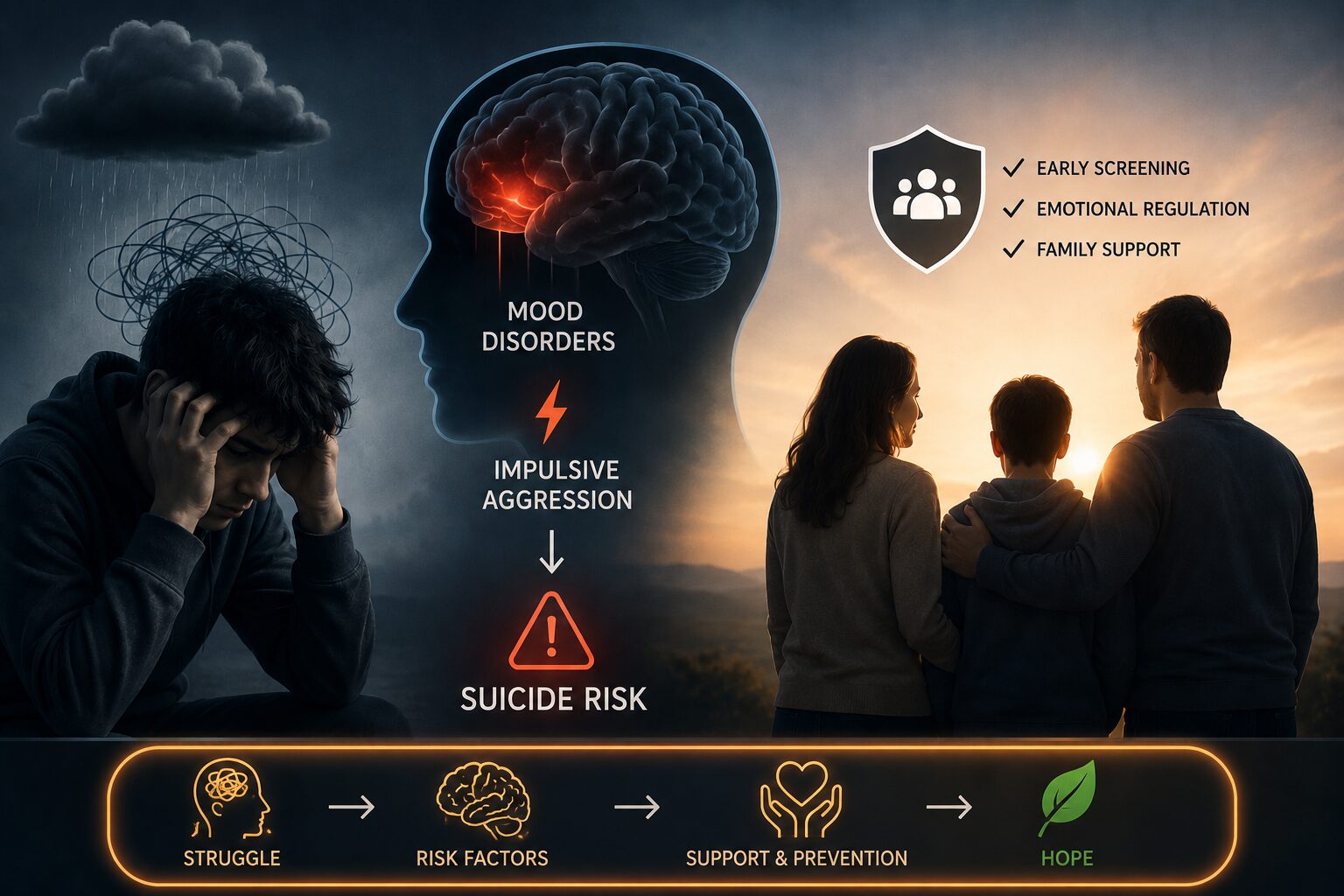
Mood Disorders and Impulsive Aggression Drive Youth Suicide Risk

Researchers have found that mood disorders and impulsive aggression are major predictors of suicidal behaviour. Impulsive aggression often precedes depression, increasing long-term suicide risk. The patients were studied for over 5 years, and it was found that children of parents who had attempted suicide are nearly five times more likely to attempt suicide themselves, even after accounting for mood disorders. The findings highlight the importance of early mental health screening, emotional regulation interventions, and family-based prevention strategies to reduce suicide risk among high-risk adolescents and young adults.

Mood Disorders and Impulsive Aggression Drive Youth Suicide Risk Read More »

chatgpt image apr 25, 2026, 04 44 06 pm

HOPES Program improves Mental Health, Skills, and Preventive Care in Older Adults

The HOPES program improves community living skills and self-efficacy among older adults with reduced psychiatric symptoms. This intervention combines psychosocial skills training with preventive healthcare for the oldies suffering from serious mental illness, such as schizophrenia, schizoaffective disorder, bipolar disorder and major depression. Compared with usual treatment, interventions such as HOPES can produce lasting functional and behavioral benefits, allowing preventive health care screening and advanced care planning, supporting greater independence and better long-term mental health outcomes in the ageing population.

HOPES Program improves Mental Health, Skills, and Preventive Care in Older Adults Read More »

Rising Temperatures and Heatwaves may affect our mental health

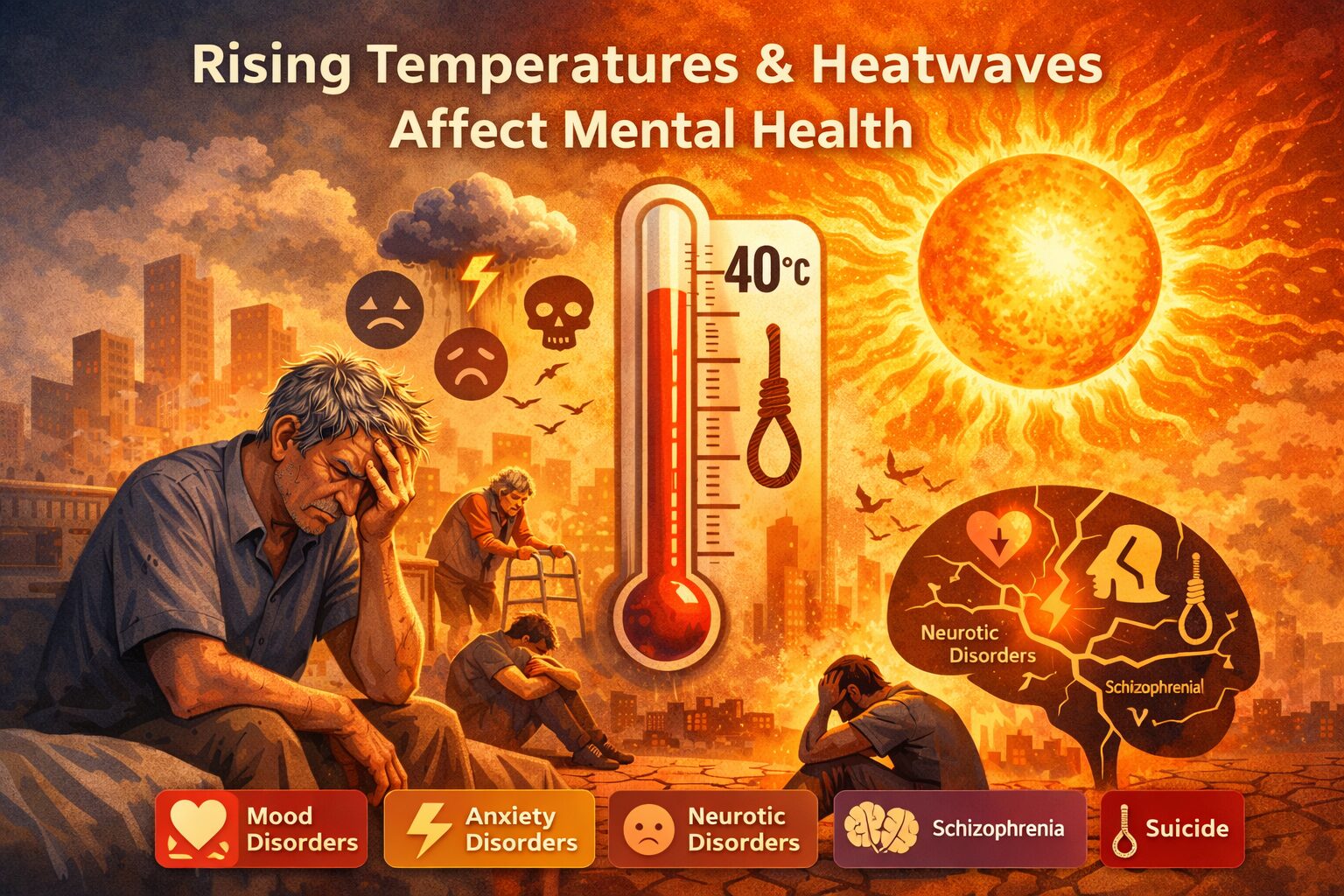
Rising Temperatures and Heatwaves may affect our mental health

A meta-analysis found that rising temperatures and heatwaves are linked to increased mental health problems, including higher mortality and hospital admissions. Each 1°C rise in temperature significantly raises risks for mood disorders, neurotic disorders, anxiety disorders, schizophrenia, and suicide. When the temperature stays extremely high for consecutive 3 days, older adults, males, and fragile populations living in tropical and subtropical climate zones are more vulnerable. As global temperatures rise, addressing heat-related mental health risks becomes increasingly important for healthcare systems and policymakers to adopt heat mitigation strategies and provide mental health support during extreme weather.

Rising Temperatures and Heatwaves may affect our mental health Read More »

chatgpt image mar 21, 2026, 03 40 57 pm

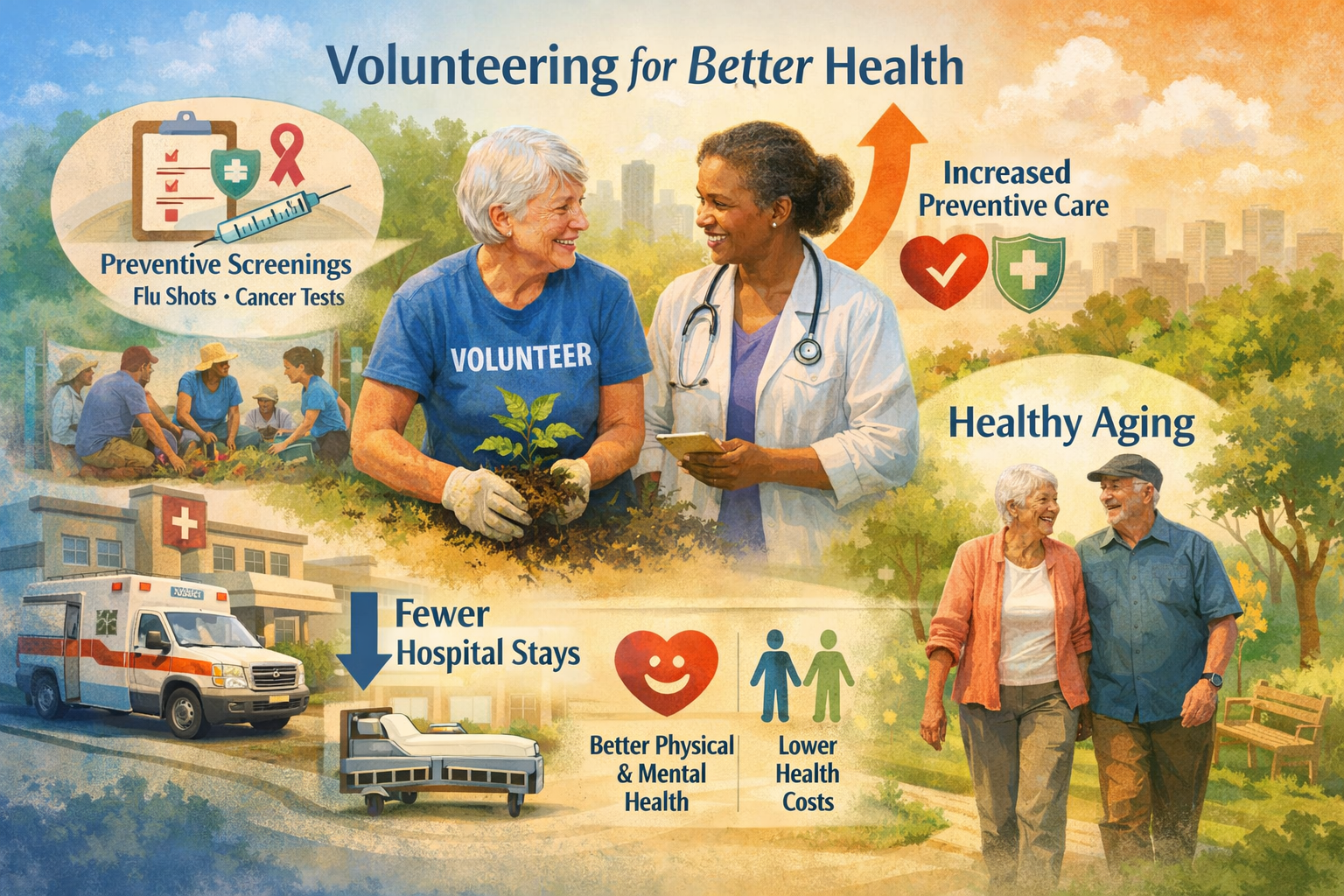
Community Service Boosts Preventive Care, Reduces Hospital Stays, and Supports Healthy Aging

Study conducted with ~7000 adults aged over 51, for 2 years found that volunteering for any social cause have least health risks and have better physical and mental health behaviours. Volunteers show greater use of preventive health services as they are more likely to undergo screenings such as flu shots and cancer tests, suggesting more proactive health behaviour. At the same time, they spent fewer nights in the hospital, indicating better overall health or reduced severity of illness. These findings suggest that volunteering may promote healthier lifestyles and potentially lower health care costs, most likely due to involvement of both psychological and social factors.

Community Service Boosts Preventive Care, Reduces Hospital Stays, and Supports Healthy Aging Read More »

chatgpt image mar 20, 2026, 08 29 49 pm

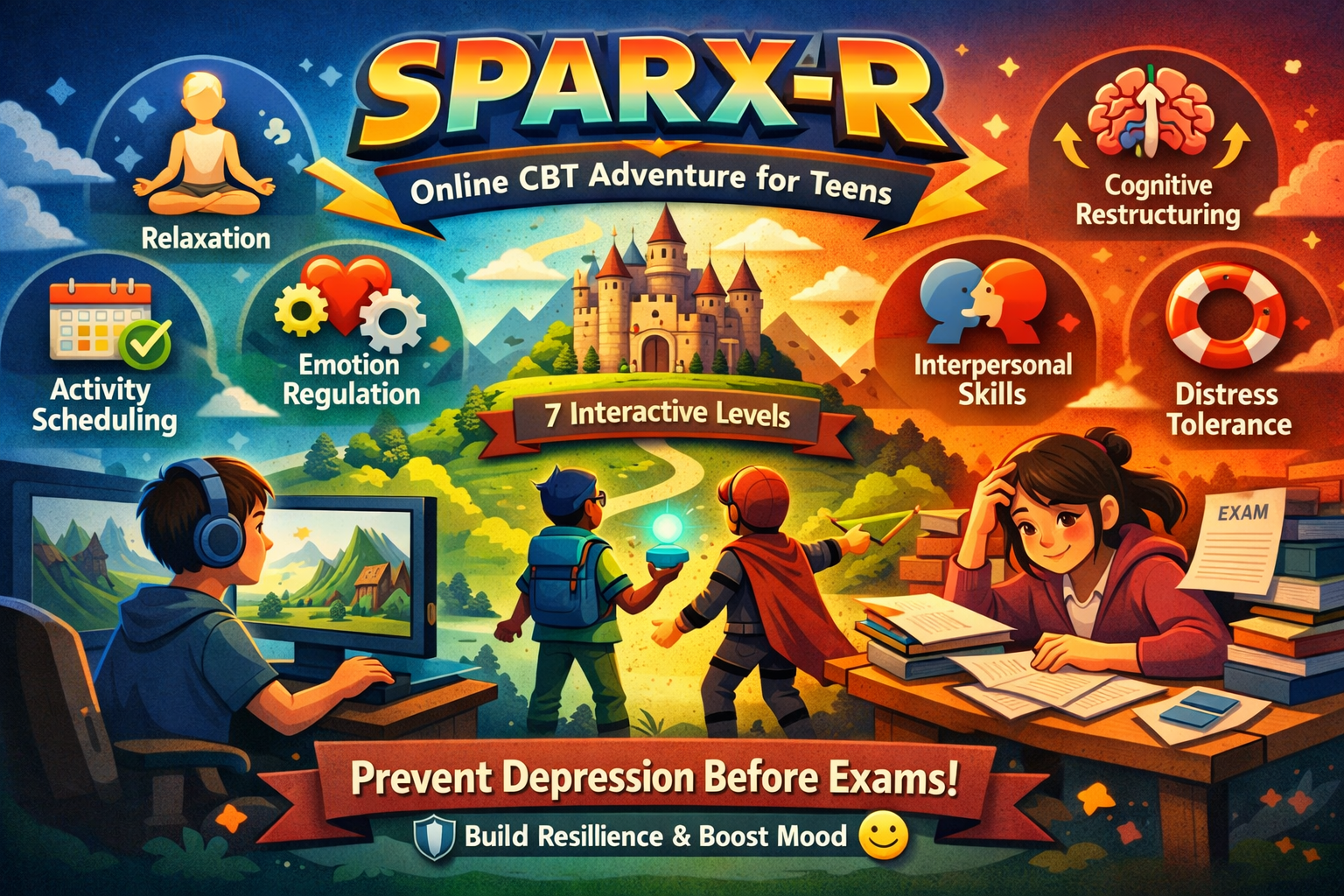
School-based Gamified Therapy supports student mental health and prevent depression

SPARX-R is a gamified online cognitive behaviour therapy (CBT) intervention, designed to prevent the development of exacerbation depressive symptoms in adolescents. Delivered in 7 modules, the tool covers key skills like relaxation, activity scheduling and behavioural activation, emotion regulation, interpersonal skills, problem solving, cognitive restructuring, and distress tolerance. Timely intervention of such CBT programs, before a major stressor like final exams, can reduce depressive symptoms in adolescents, particularly in the short to medium term.

School-based Gamified Therapy supports student mental health and prevent depression Read More »

chatgpt image mar 14, 2026, 05 34 33 pm

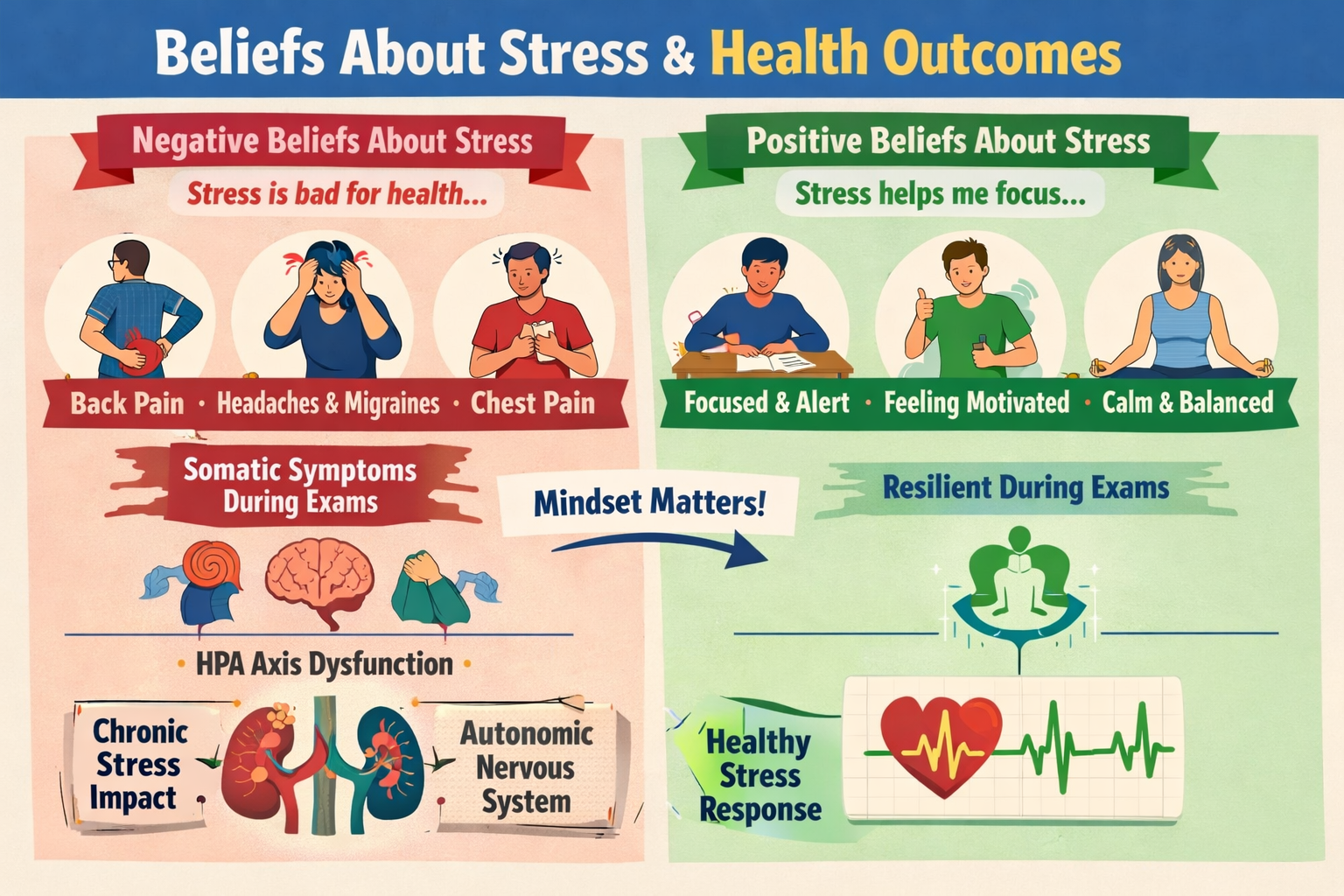
Our Stress Beliefs are linked to the Physical Health Problems

Study conducted at German University found that students who held negative beliefs about stress like “stress is bad for health”, were more likely to report somatic symptoms like muscular tension, back pain, headache, migraine, chest pain, fatigue during stressful periods like academic examinations. Even after controlling for factors such as existing health status, neuroticism, and optimism, negative stress beliefs still predicted higher symptom reporting. This is because chronic stress may involve a wear and tear of stress responsive bodily hypothalamic pituitary-adrenal axis and the autonomic nervous system.

Our Stress Beliefs are linked to the Physical Health Problems Read More »

st 2

Welcome to Sci-Tech Bulletin

Sign up to receive awesome content in your inbox every week.

We don’t spam! Read our privacy policy for more info.

Scroll to Top