Millets as a Dietary Supplement During Chemotherapy

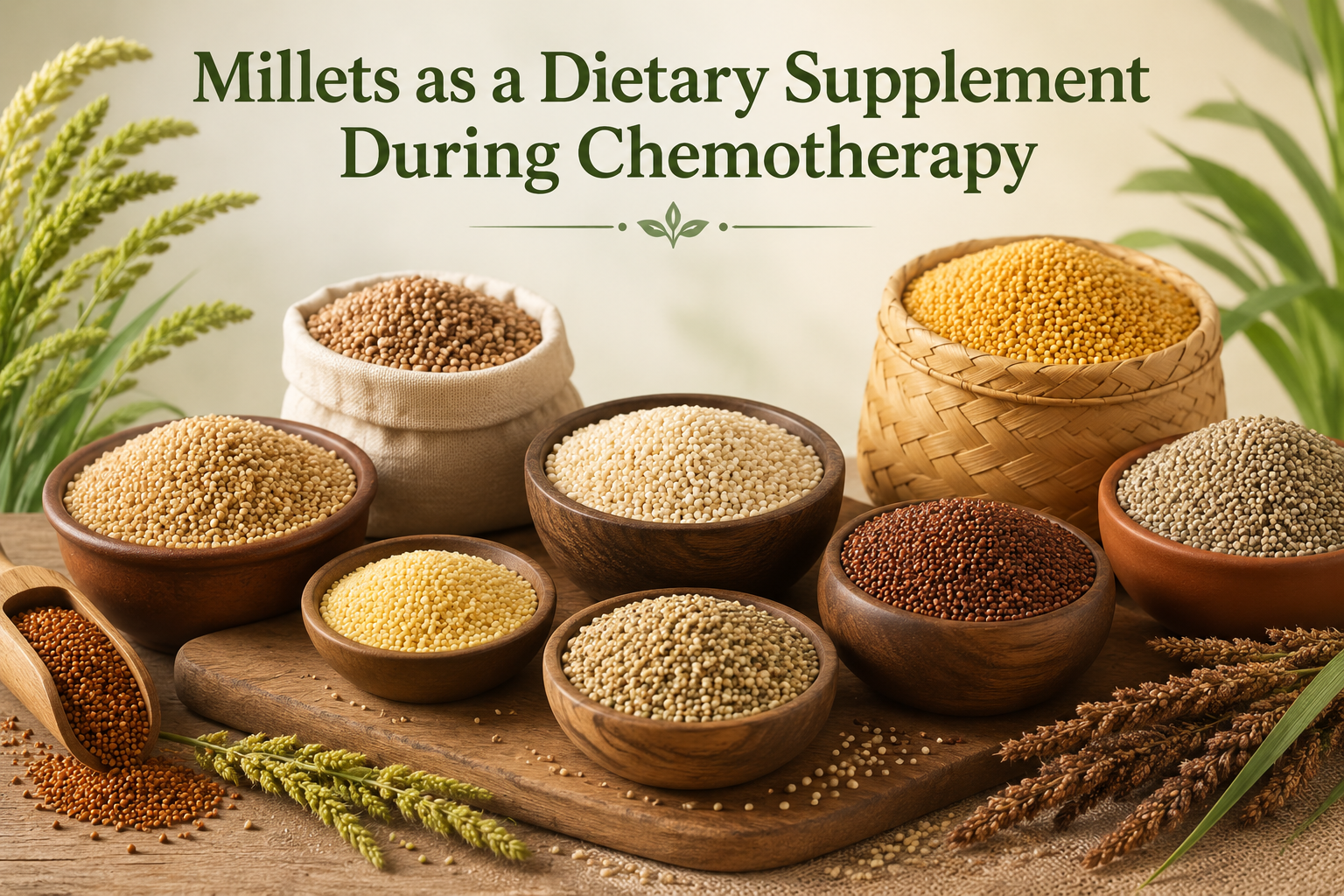
Millets as a Dietary Supplement During Chemotherapy: Supporting Digestive and Immune Health

Millets may have potential as an adjunct dietary strategy for managing chemotherapy-induced side effects. The fibre, vitamins, minerals, amino acids and phytochemicals in millets may support digestive health, bowel function, energy, immunity, bone health and metabolic control. Evidences suggests possible benefits for mucositis, constipation, diarrhoea, fatigue, immune function, osteoporosis, diabetes and cardiovascular health. Experimental studies also indicate anticancer and antioxidant properties in certain millet components, suggesting millets as complementary dietary supplement in standard cancer treatment and individualized nutritional care.

Millets as a Dietary Supplement During Chemotherapy: Supporting Digestive and Immune Health Read More »

Digital Platforms for Cancer Patients

An Evidence-Based Digital Platforms Can Help Cancer Patients Make Informed Decisions

A web-based knowledge database can provide cancer patients and patient navigators with evidence-based, easy-to-understand information. Using logfile data and patient surveys, it has been found that 65.9% of eligible patients accessed the platform. The most popular topics searched includes therapy, nutrition, side effects, and carcinogenesis. Nearly 69% of users reported that the database helped them make more informed decisions, while 75.7% found the information they needed. This suggests that accessible, trustworthy digital information can support health literacy and informed decision-making, by further narrowing technical barriers and upgrading the digital skills.

An Evidence-Based Digital Platforms Can Help Cancer Patients Make Informed Decisions Read More »

Cell-Free Technology for Sustainable Vitamin B12 Manufacturing

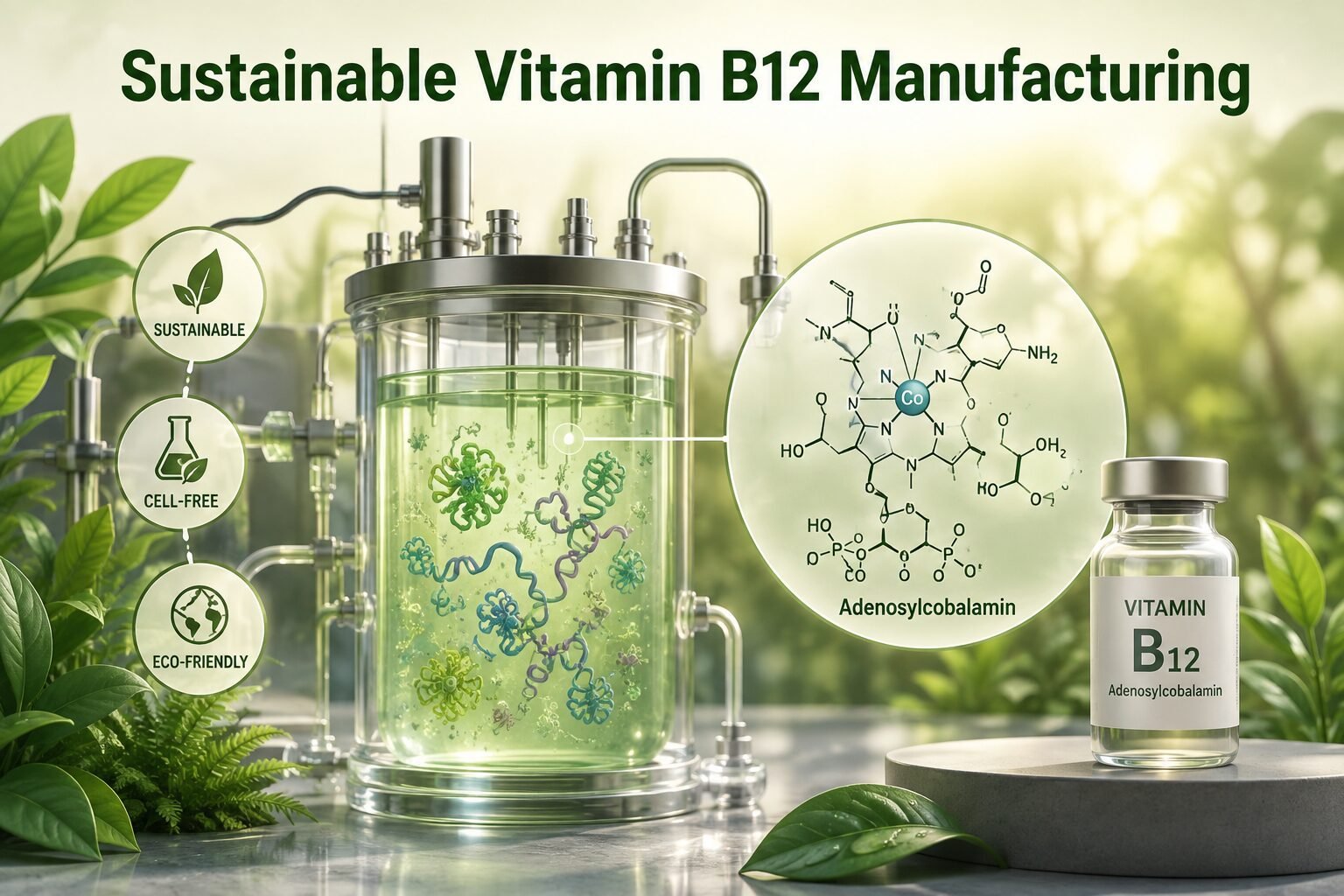
A New Cell-Free Technology for Sustainable Vitamin B12 Manufacturing

A synthetic cell-free platform has been developed by scientists, containing 36 enzymes to produce adenosylcobalamin, an active form of vitamin B12. The complex biosynthetic pathway starts with 5-aminolevulinic acid (5-ALA), an inexpensive compound, followed by more than 30 biocatalytic reactions optimized through enzyme screening, reaction-condition control, and cofactor regeneration. The optimized system produced 417.42 μg/L of vitamin B12 from 5-aminolevulinic acid and 5.78 mg/L from hydrogenobyrinic acid. The study thus demonstrates the potential of modular cell-free systems for manufacturing complex natural compounds beyond conventional microbial fermentation.

A New Cell-Free Technology for Sustainable Vitamin B12 Manufacturing Read More »

Benefits of wheatgrass juice

Wheatgrass Juice Benefits for Anaemia, Immunity, Digestion, and Overall Health

Wheatgrass juice (WGJ), derived from young Triticum aestivum, is a nutrient-rich functional food containing chlorophyll, vitamins, minerals, amino acids, antioxidants, and enzymes. Studies suggests that WGJ may help reduce oxidative stress, support haemoglobin levels, and promote gastrointestinal health. It has also shown potential benefits for cardiovascular health, diabetes management, immune support, and supportive cancer care. The findings thus highlight WGJ as a promising natural dietary intervention with diverse health applications.

Wheatgrass Juice Benefits for Anaemia, Immunity, Digestion, and Overall Health Read More »

Antibiotic resistance in Preterm Infants

Early Antibiotic use increases Antibiotic Resistance in Preterm Infants

Study found that early antibiotic exposure affects antibiotic resistance in preterm infants. Analysis of meconium and stool samples from 30 preterm neonates, using metagenomic sequencing identified 175 antibiotic resistance genes (ARGs) across 15 drug classes. Beta-lactam, tetracycline, and aminoglycoside resistance are the most prevalent antibiotic resistance discovered. As found, ARG diversity increases as infants grow, while treated infants show greater beta-lactam and tetracycline resistance. Antibiotic exposure also alter bacterial metabolic pathways linked to survival, adaptation, and stress tolerance, highlighting the importance of responsible antibiotic use and stewardship in neonatal care.

Early Antibiotic use increases Antibiotic Resistance in Preterm Infants Read More »

chatgpt image aug 9, 2026, 09 07 10 pm

Bilberry Pomace Shows Promising Anticancer Effects Against Breast Cancer

Bilberry (Vaccinium myrtillus) peel-enriched pomace has recently been explored as a potential natural anticancer agent in breast cancer models. A preclinical study demonstrated the extract’s antitumor potential, reducing tumor volume by up to 91% in a mouse model of triple-negative breast cancer and decreasing tumor-cell proliferation. The extract also promoted apoptosis, reduced oxidative stress & expression of cancer stem-cell marker CD133, and altered epigenetic and microRNA profiles. A hexane-based bilberry extract showed anticancer activity and synergized with cisplatin in 3D breast cancer models.

Bilberry Pomace Shows Promising Anticancer Effects Against Breast Cancer Read More »

chatgpt image aug 3, 2026, 12 23 31 pm

Epigenetic changes explain why we regain weight after weight loss

Fat cells retain persistent obesity-related gene expression and epigenetic changes even after body weight returns to normal. Single-nucleus RNA sequencing revealed that adipose tissue continues to exhibit obesity-induced transcriptional changes despite significant weight loss. These lasting epigenetic alterations impair adipocyte function and prime the body for accelerated weight regain when re-exposed to a high-fat diet. The findings suggest that obesity leaves a durable cellular imprint, offering a biological explanation for the common “yo-yo” effect and identifying epigenetic memory as a promising target for improving long-term weight management and metabolic health.

Epigenetic changes explain why we regain weight after weight loss Read More »

chatgpt image jul 26, 2026, 06 57 06 pm

Social isolation is linked to higher risk of complications in patients with Type 2 Diabetes

A cohort study finds that social isolation and loneliness increase the risk of diabetic microvascular complications. It is found that socially isolated individuals have a higher risk of developing diabetic kidney disease, neuropathy, and overall microvascular complications, while loneliness is particularly associated with kidney disease. Importantly, these social factors are as influential as traditional risk factors like smoking, physical inactivity, and high blood pressure. The findings suggest that screening for and addressing social isolation and loneliness should become an important component of comprehensive diabetes care.

Social isolation is linked to higher risk of complications in patients with Type 2 Diabetes Read More »

chatgpt image jul 21, 2026, 12 18 20 pm

Vaccinium-Rich Berries May Support Diabetes and Kidney Health

Vaccinium berries, including blueberries, bilberries, cranberries, and lingonberries have been studied to be effective in managing diabetes, preventing diabetic kidney disease and diabetic retinopathy. Evidences from animal and human studies suggests that these berries, rich in anthocyanins and other polyphenols, may improve blood glucose control, reduce oxidative stress and inflammation, and protect kidney and retinal tissues. Vaccinium berries may thus serve as valuable dietary complements to conventional diabetes management strategies.

Vaccinium-Rich Berries May Support Diabetes and Kidney Health Read More »

chatgpt image jul 20, 2026, 10 49 47 am

Managing Diabetes Could Help Reduce Antibiotic Resistance

Diabetes significantly accelerates the emergence of antibiotic-resistant Staphylococcus aureus during skin infections. Researchers found that hyperglycemia is the primary driver of microbial resistance. Elevated glucose enables resistant bacteria to rapidly expand under antibiotic pressure, while immune suppression plays a smaller role. The study also shows that vancomycin-resistant strains become more virulent in diabetic conditions and that insulin therapy markedly reduces the emergence of resistant bacteria. Thus, it becomes increasingly important for diabetic patients to control their glycemic index to combat antimicrobial resistance.

Managing Diabetes Could Help Reduce Antibiotic Resistance Read More »

st 2

Welcome to Sci-Tech Bulletin

Discover mind-bending science breakthroughs in your inbox every week

This field is required.

We don’t spam! Read our privacy policy for more info.

Scroll to Top