Healing Power of Nature

The Healing Benefits of Nature for Cancer Patients’ Well-Being

Nature plays a meaningful role in the lives of people living with cancer by providing restorative physical and psychological spaces enriched with personal significance. The natural environments help patients reconnect with life, find respite from clinical settings, reflect on their experiences, gain comfort, reinterpret their illness, remain physically active, and appreciate everyday moments. These benefits contribute to improved emotional well-being, resilience, and overall quality of life. These findings support integrating nature-based interventions and healing environments into cancer care as valuable, evidence-informed complements to conventional medical treatment and supportive care.

The Healing Benefits of Nature for Cancer Patients’ Well-Being Read More »

Plant-Made Proteins

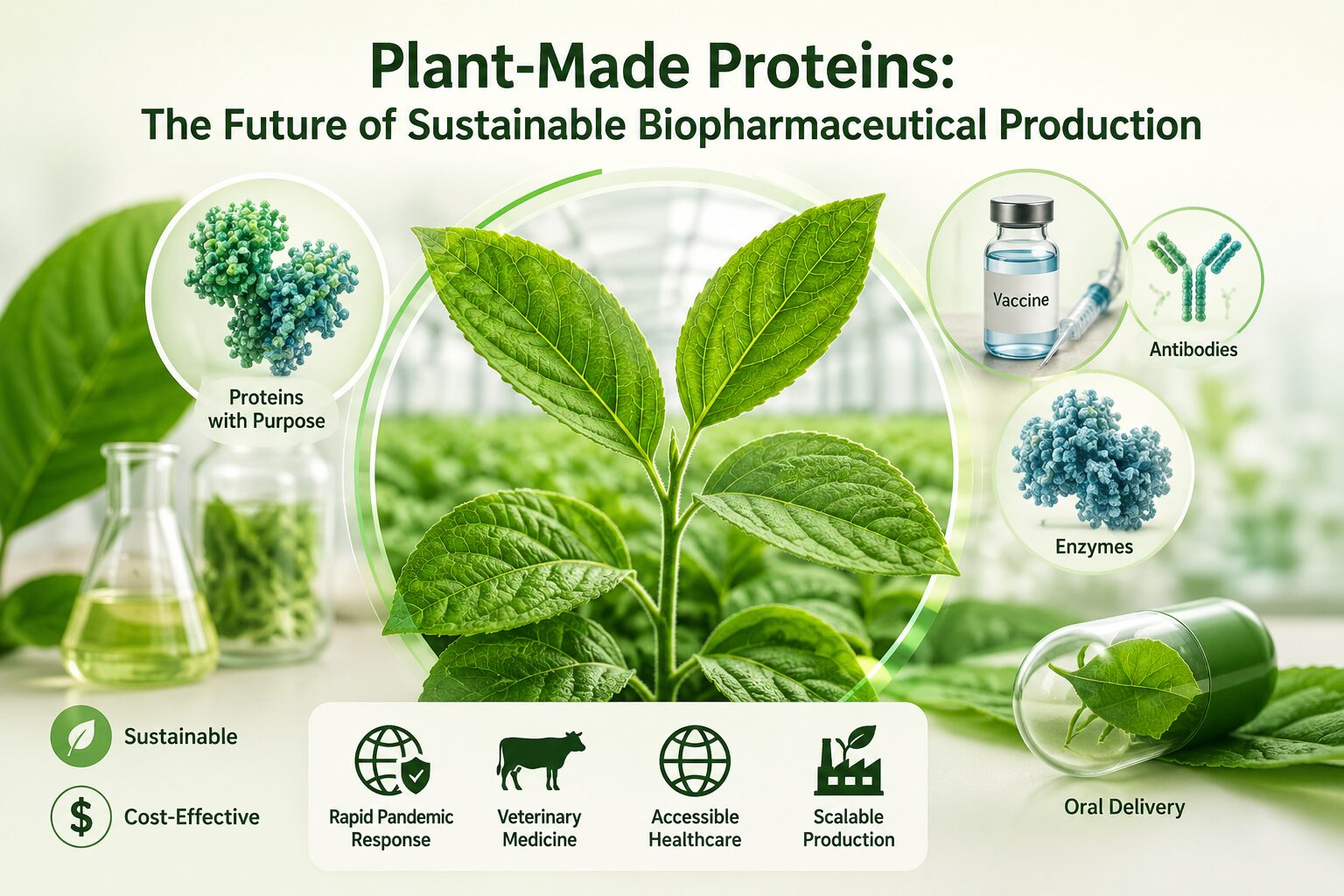
Plant-Made Proteins: The Future of Sustainable Biopharmaceutical Production

Plant-made proteins are emerging as a transformative platform for producing vaccines, antibodies, enzymes, and other biopharmaceuticals, offering a sustainable, cost-effective, and scalable alternative to conventional protein production systems. Advances in plant-based expression systems, genetic engineering, process optimization, and downstream manufacturing have significantly improved protein yield, quality, and scalability. Commercial successes such as Elelyso® and the Ebola therapy ZMapp demonstrate the growing maturity of molecular farming. Plant-made proteins have promising applications in rapid pandemic response, oral drug delivery through bioencapsulation, veterinary medicine, and affordable pharmaceutical production for developing countries.

Plant-Made Proteins: The Future of Sustainable Biopharmaceutical Production Read More »

chatgpt image jul 9, 2026, 01 14 52 am

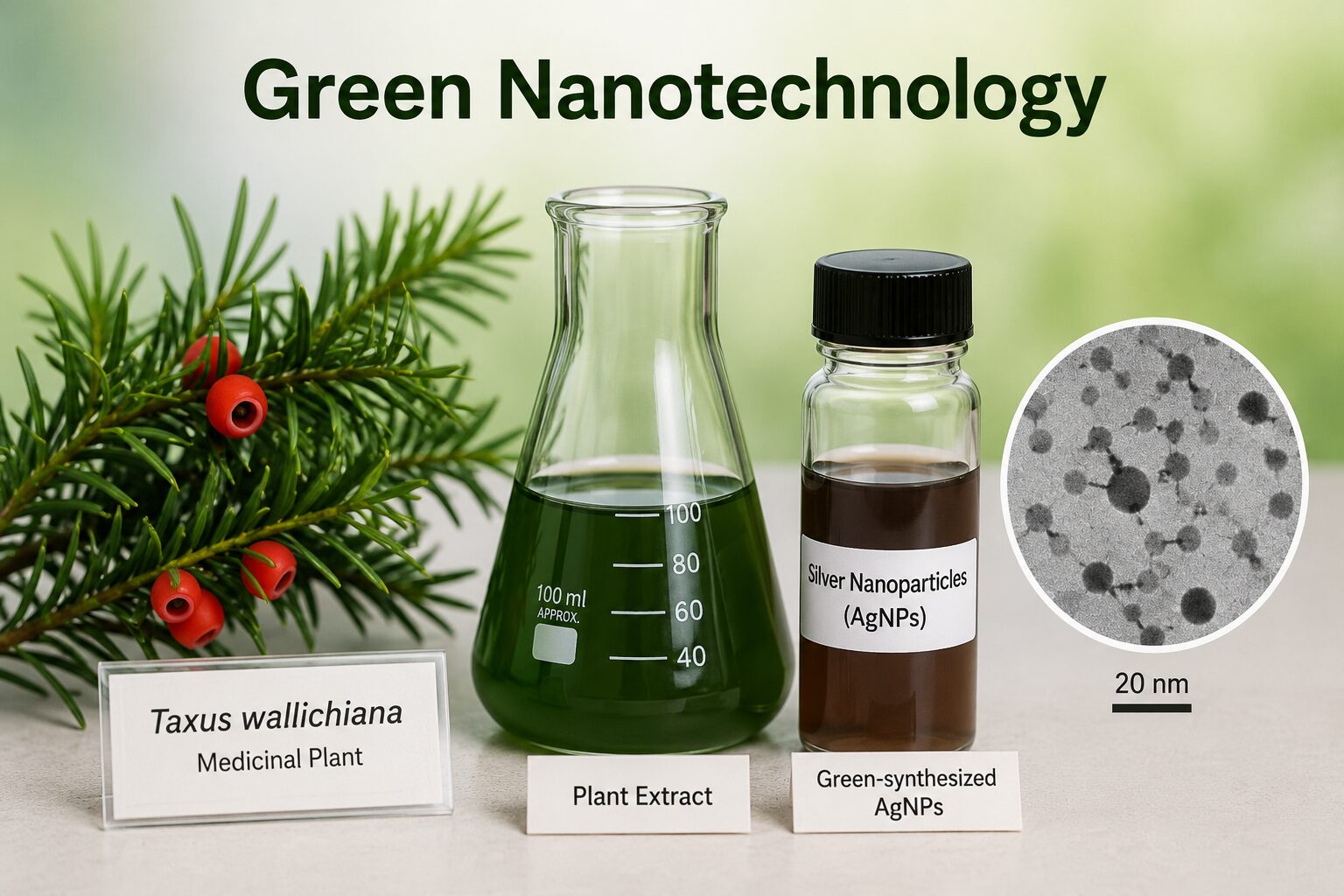
Green Nanotechnology using plants for Cancer and Inflammation treatment

Green-synthesized silver nanoparticles (AgNPs) are developed using the medicinal plant Taxus wallichiana, whose phytochemicals served as natural reducing and stabilizing agents. Characterization by UV–Vis spectroscopy, SEM, FTIR, and GC–MS confirmed the formation of stable spherical and oval nanoparticles measuring 10–20 nm. Biological evaluation demonstrated enhanced cytotoxicity against U87 glioblastoma cells (up to 85.45%) and superior anti-inflammatory activity compared with the crude plant extract, while acute toxicity studies showed no adverse effects at doses up to 2000 mg/kg. These findings underscore the potential of Taxus wallichiana-derived AgNPs as sustainable nanotherapeutics for cancer and inflammatory diseases.

Green Nanotechnology using plants for Cancer and Inflammation treatment Read More »

chatgpt image jun 25, 2026, 10 51 43 am

The Hidden Role of Bed Dust Bacteria in Children’s Respiratory Health

The bacterial microbiome in household bed dust is strongly influenced by environmental factors and may play an important role in childhood asthma. When 90 bed dust samples were analysed using high-throughput 16S rRNA gene sequencing, significant differences in bacterial community composition between asthmatic and healthy children have been found. Factors such as living environment, housing type, pet ownership, and cleaning practices were found to shape indoor microbial diversity. Fostering a healthy diverse indoor microbiome could support respiratory health and inform future indoor air quality and healthy home strategies.

The Hidden Role of Bed Dust Bacteria in Children’s Respiratory Health Read More »

Global Antibiotic Use: Trends and Projections Through 2030

Antimicrobial Resistance and Global Antibiotic Use: Trends and Projections Through 2030

Global antibiotic consumption increased steadily between 2016 and 2023, with only a temporary decline during the COVID-19 pandemic before rebounding, particularly in middle-income countries. An analysis of data from 67 countries found a 16.3% increase in antibiotic consumption over the study period. Looking ahead, the researchers project global antibiotic use to rise by 52.3%, from 49.3 billion defined daily doses (DDDs) in 2023 to 75.1 billion DDDs by 2030, if current trends continue. Stronger antimicrobial stewardship, improved sanitation, expanded vaccination, better diagnostics, and effective regulatory policies are essential to curb unnecessary antibiotic use and slow the spread of antimicrobial resistance.

Antimicrobial Resistance and Global Antibiotic Use: Trends and Projections Through 2030 Read More »

Banana smoothies may reduce flavanol benefits of berries

Banana smoothies may reduce flavanol benefits of berries

Polyphenol oxidase (PPO), an enzyme abundant in bananas, affects the bioavailability of flavan-3-ols, beneficial plant compounds found in fruits. When banana smoothies (high PPO) are made by mixing berry smoothies (low PPO), and flavan-3-ol capsules, flavan-3-ol absorption is lowered by 84%, while berry smoothies preserved bioavailability. Even when banana and flavan-3-ols were consumed separately, absorption remained lower, suggesting PPO continues acting during digestion. The findings highlight that fruit selection, and preparation methods can significantly influence nutrient absorption, informing dietary recommendations and smoothie formulation.

Banana smoothies may reduce flavanol benefits of berries Read More »

chatgpt image jun 15, 2026, 11 47 06 am

A Promising Oral GLP-1 Drug for Type 2 Diabetes and Obesity

Once a-day, daily oral dose of a novel small-molecule GLP-1 receptor agonist, AZD5004, has demonstrated promising potential for the treatment of type 2 diabetes and obesity. In a Phase I first-in-human study, the drug showed potent GLP-1 receptor activation, enhanced glucose-dependent insulin secretion, and dose-dependent reductions in blood glucose and body weight. Preclinical studies also revealed significant long-term weight-management benefits and a favourable safety profile. Importantly, no serious adverse events were reported in clinical testing, supporting the continued development of AZD5004 as a convenient and effective oral metabolic therapy.

A Promising Oral GLP-1 Drug for Type 2 Diabetes and Obesity Read More »

Berberine-Probiotic Therapy

Berberine and Probiotics create a ‘Gut Lipid Sink’ to improve cholesterol profile & prevent CVD risk

A recent clinical study found that combining berberine (BBR) with probiotics significantly improved postprandial hyperlipidemia in newly diagnosed patients with Type 2 diabetes. After 12 weeks, the combination therapy reduced post-meal total cholesterol and LDL cholesterol more effectively than either treatment alone. Multi-omics analyses also revealed notable reductions in lipid metabolites, including free fatty acids and phospholipids. Bifidobacterium breve has been identified as a key contributor, with berberine enhancing bacterial genes involved in fatty acid metabolism. These findings highlight the potential of berberine-probiotic therapy to improve lipid management and reduce cardiovascular risk in T2D patients.

Berberine and Probiotics create a ‘Gut Lipid Sink’ to improve cholesterol profile & prevent CVD risk Read More »

chatgpt image jun 8, 2026, 10 50 50 am

The Link Between Diet Quality and Cardiovascular Mortality in Treated Hypertension Patients

A 9-year evaluation of hypertensive patients receiving antihypertensive therapy, using Cox proportional hazards regression models, found that higher Healthy Eating Index-2015 (HEI-2015) and Dietary Approaches to Stop Hypertension (DASH) scores were associated with a lower risk of cardiovascular disease (CVD) mortality, whereas higher Dietary Inflammatory Index (DII) scores were linked to an increased risk. Diet quality was assessed using participants’ 24-hour dietary intake data. Notably, greater adherence to the DASH diet demonstrated protective trends against cardiovascular mortality. These findings highlight the critical role of healthy, anti-inflammatory dietary patterns in improving long-term cardiovascular outcomes among patients undergoing hypertension treatment.

The Link Between Diet Quality and Cardiovascular Mortality in Treated Hypertension Patients Read More »

Benefits of Psilocybin-Assisted Therapy

Psilocybin-Assisted Therapy Delivers Lasting Mental Health Benefits for Cancer Patients

A single 25 mg dose of psilocybin, combined with structured psychological support, may offer a promising alternative to traditional antidepressants for cancer patients with major depressive disorder. In a 24-month follow-up study, 53.6% of participants maintained significant reductions in depression, while 50% achieved sustained remission. Anxiety symptoms also improved, with 46.4% experiencing long-term relief. Notably, 25% of patients sustained depression improvement without additional antidepressants, psychedelic treatments, or depression-related hospitalizations. These findings highlight the potential of psilocybin-assisted therapy as a durable and transformative approach for managing cancer-related depression and anxiety.

Psilocybin-Assisted Therapy Delivers Lasting Mental Health Benefits for Cancer Patients Read More »

st 2

Welcome to Sci-Tech Bulletin

Discover mind-bending science breakthroughs in your inbox every week

This field is required.

We don’t spam! Read our privacy policy for more info.

Scroll to Top