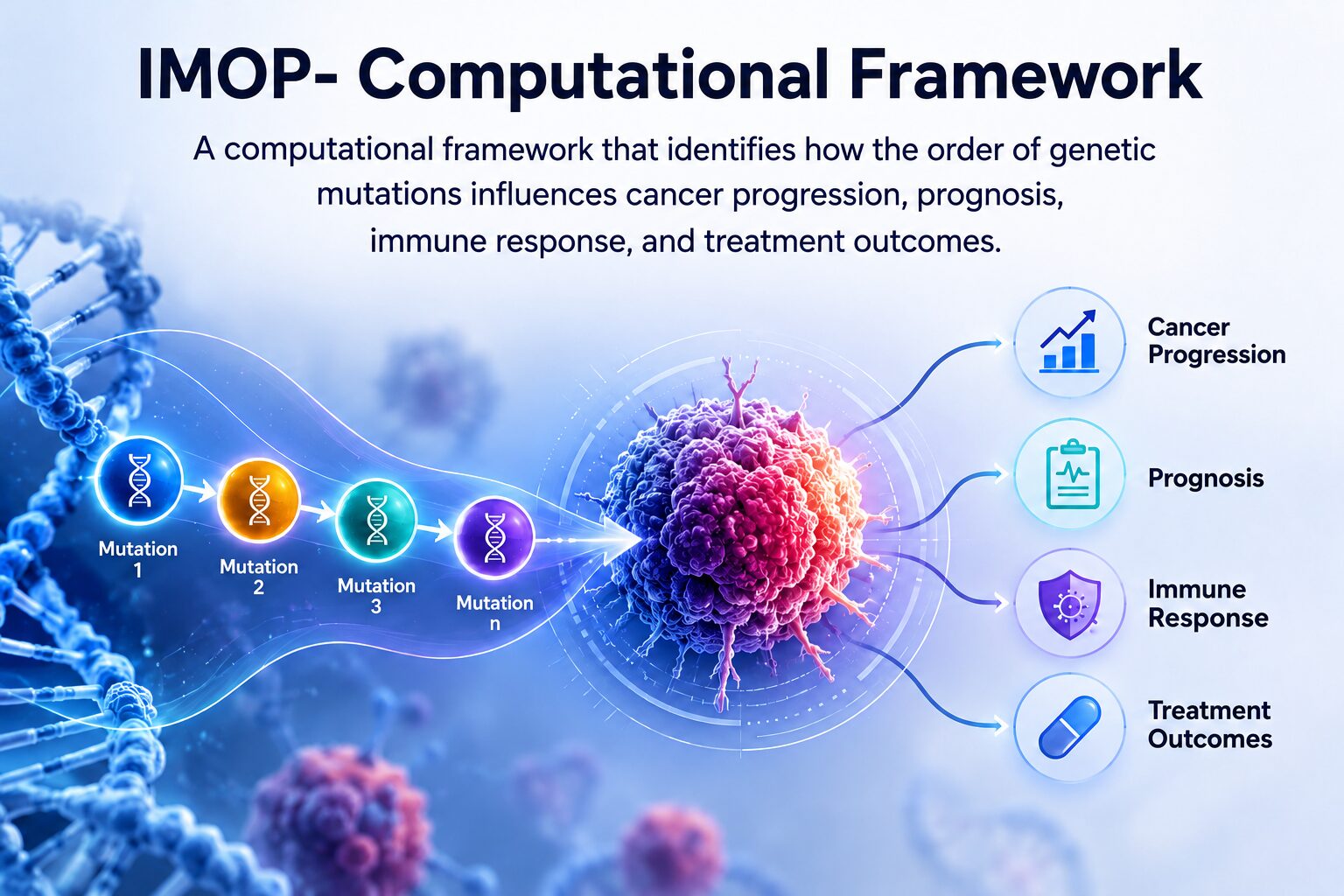
Near-Infrared II (NIR-II) imaging technology

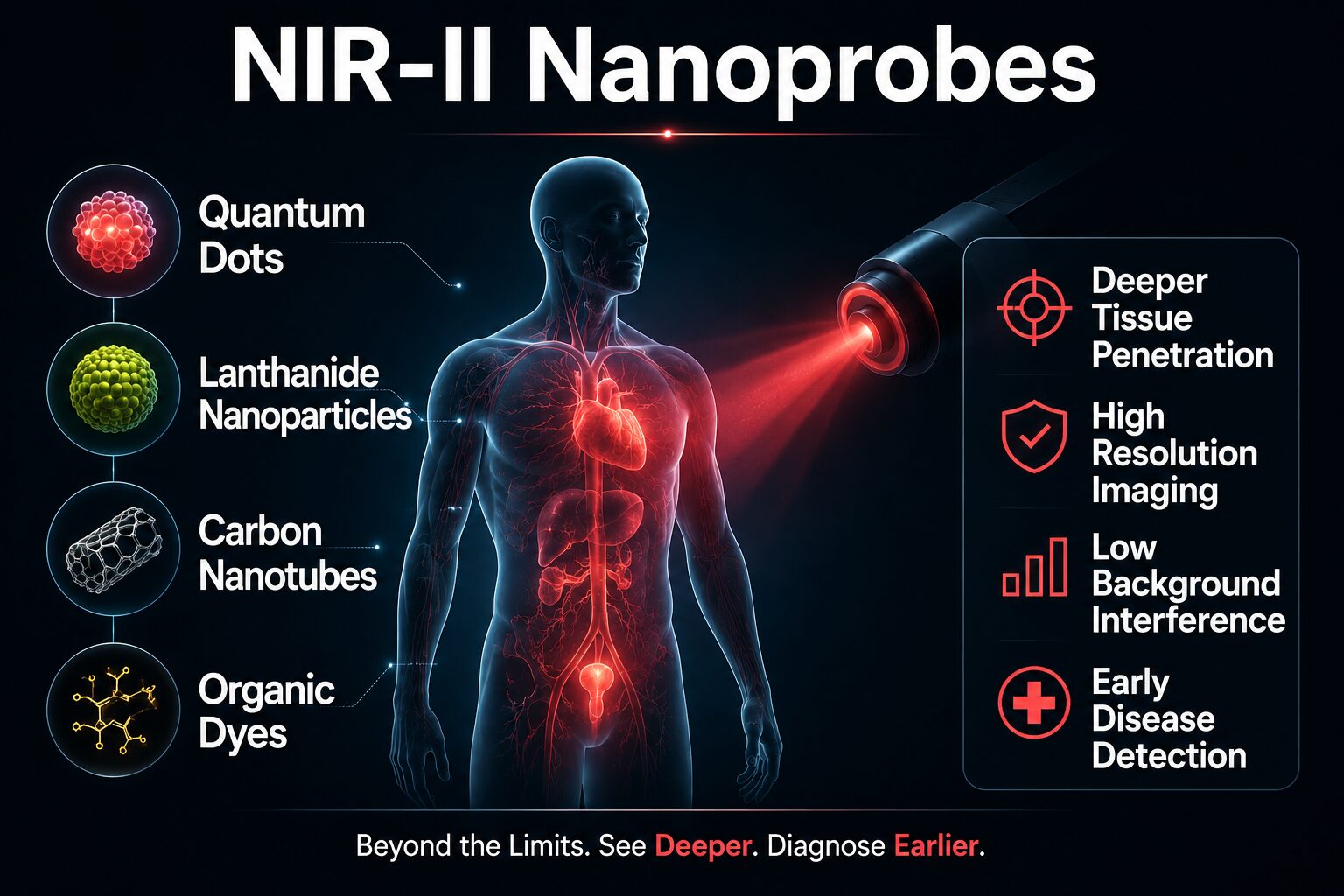
NIR-II Nanoprobes are transforming cancer imaging and image-guided surgery

Near-Infrared II (NIR-II) imaging technology is transforming biomedical imaging and disease diagnosis through the use of advanced probes such as quantum dots, lanthanide nanoparticles, carbon nanotubes, and organic dyes. Operating within the 1000–1700 nm wavelength range, NIR-II imaging offers deeper tissue penetration, higher spatial resolution, reduced autofluorescence, and superior signal-to-noise ratios compared with conventional NIR-I imaging (700–900 nm). These advantages have enabled significant progress in cancer detection, image-guided surgery, stem cell tracking, inflammation imaging, targeted drug delivery, and tumor vascular monitoring, resulting in enhanced diagnostic accuracy, improved therapeutic precision, and greater potential for personalized medicine.

NIR-II Nanoprobes are transforming cancer imaging and image-guided surgery Read More »

AI based CRISPER screening

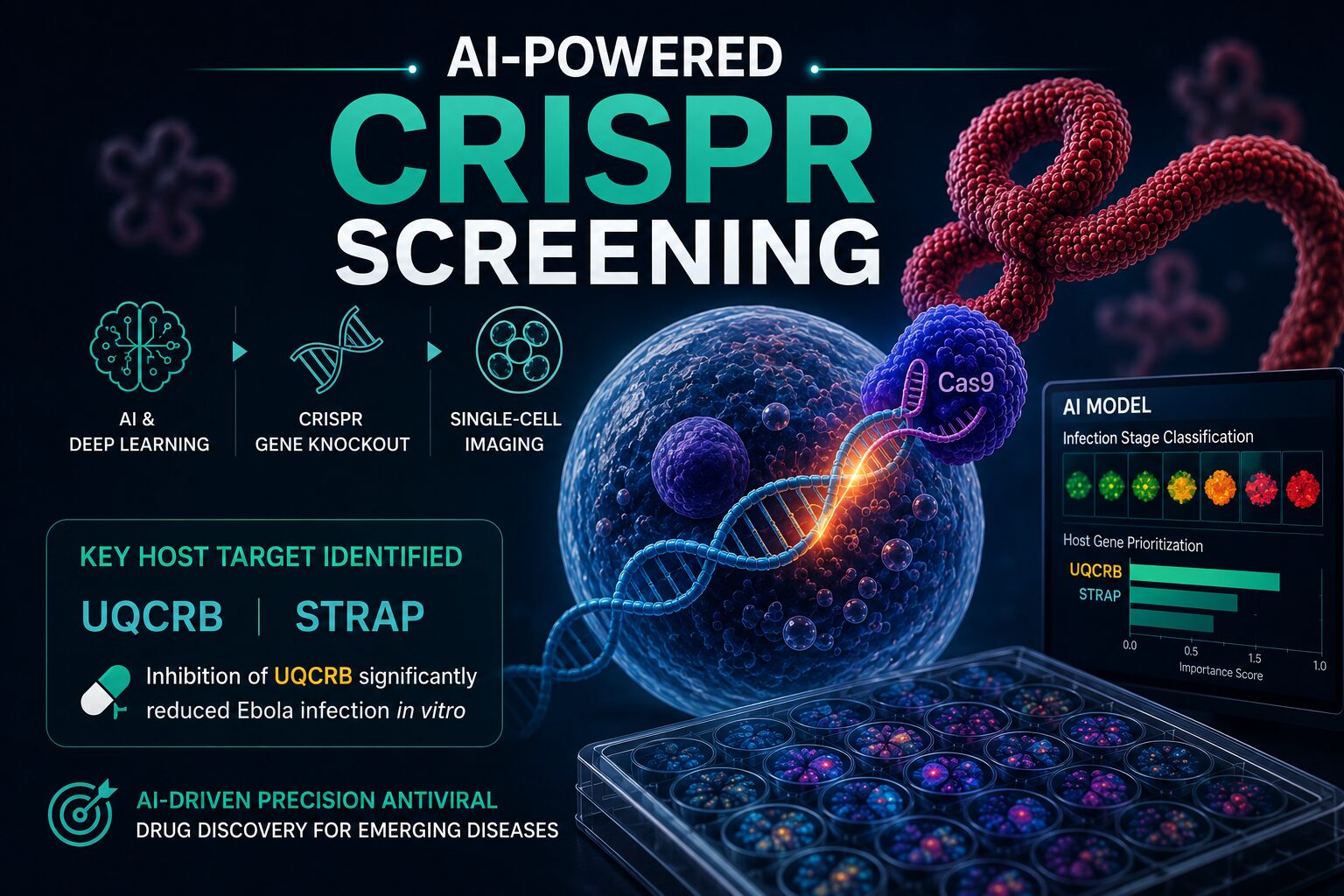
AI-Powered CRISPR screening reveals new therapeutic targets for Ebola virus infection

Deep learning models and CRISPR-based gene knockout techniques uncovered 998 host genes involved in Ebola virus replication. To identify potential therapeutic targets, researchers combined artificial intelligence (AI), image-based genome-wide CRISPR screening, and single-cell imaging technologies. AI-powered autoencoders and machine learning algorithms were used to classify different stages of viral infection and identify critical host factors, including UQCRB and STRAP. Notably, inhibition of UQCRB using a small-molecule compound significantly reduced Ebola infection in vitro, highlighting the promising potential of AI-driven precision antiviral drug discovery for emerging infectious diseases.

AI-Powered CRISPR screening reveals new therapeutic targets for Ebola virus infection Read More »

Linkage between heavy metal resistant genes and antibiotic resistant genes

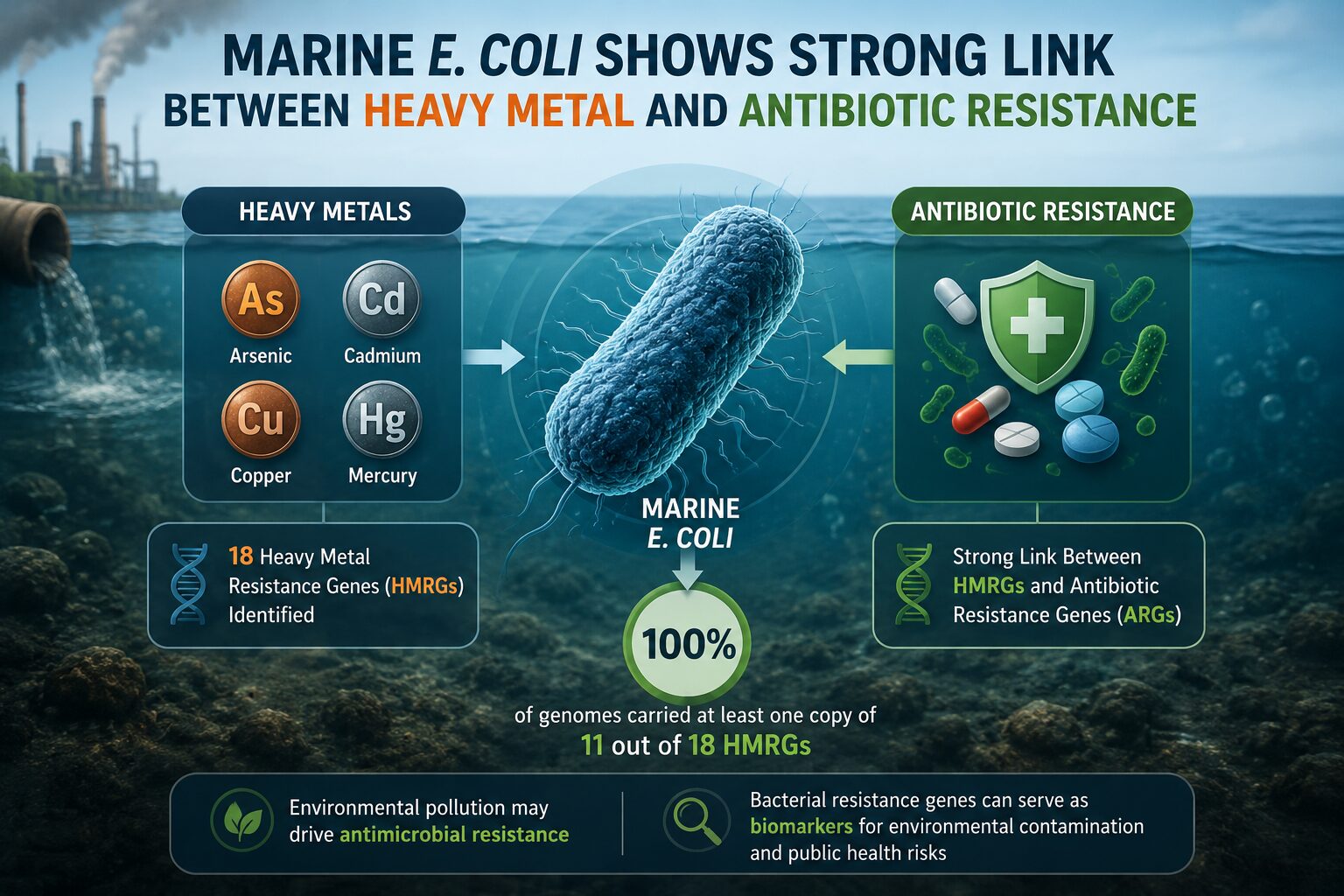
Marine E. coli Shows Strong Link Between Heavy Metal and Antibiotic Resistance

About 18 heavy metal resistance genes (HMRGs) associated with arsenic, cadmium, copper, and mercury resistance were identified in 308 E. coli isolates through whole genome sequencing and advanced bioinformatics analysis. Researchers also examined 25 antibiotic-resistant bacterial genomes and discovered important links between HMRGs and antibiotic resistance genes (ARGs). Notably, 100% of the analyzed genomes carried at least one copy of 11 out of the 18 identified HMRGs. These findings suggest that environmental pollution may play a significant role in driving antimicrobial resistance. The study also highlights the potential of using bacterial resistance genes as biomarkers for environmental contamination and emerging public health risks.

Marine E. coli Shows Strong Link Between Heavy Metal and Antibiotic Resistance Read More »

HEDD is an epigenetic drug database for drug discovery

HEDD Database: Advancing Epigenetic Drug Discovery, Cancer Research, and Precision Medicine Through Integrated Biomedical Data

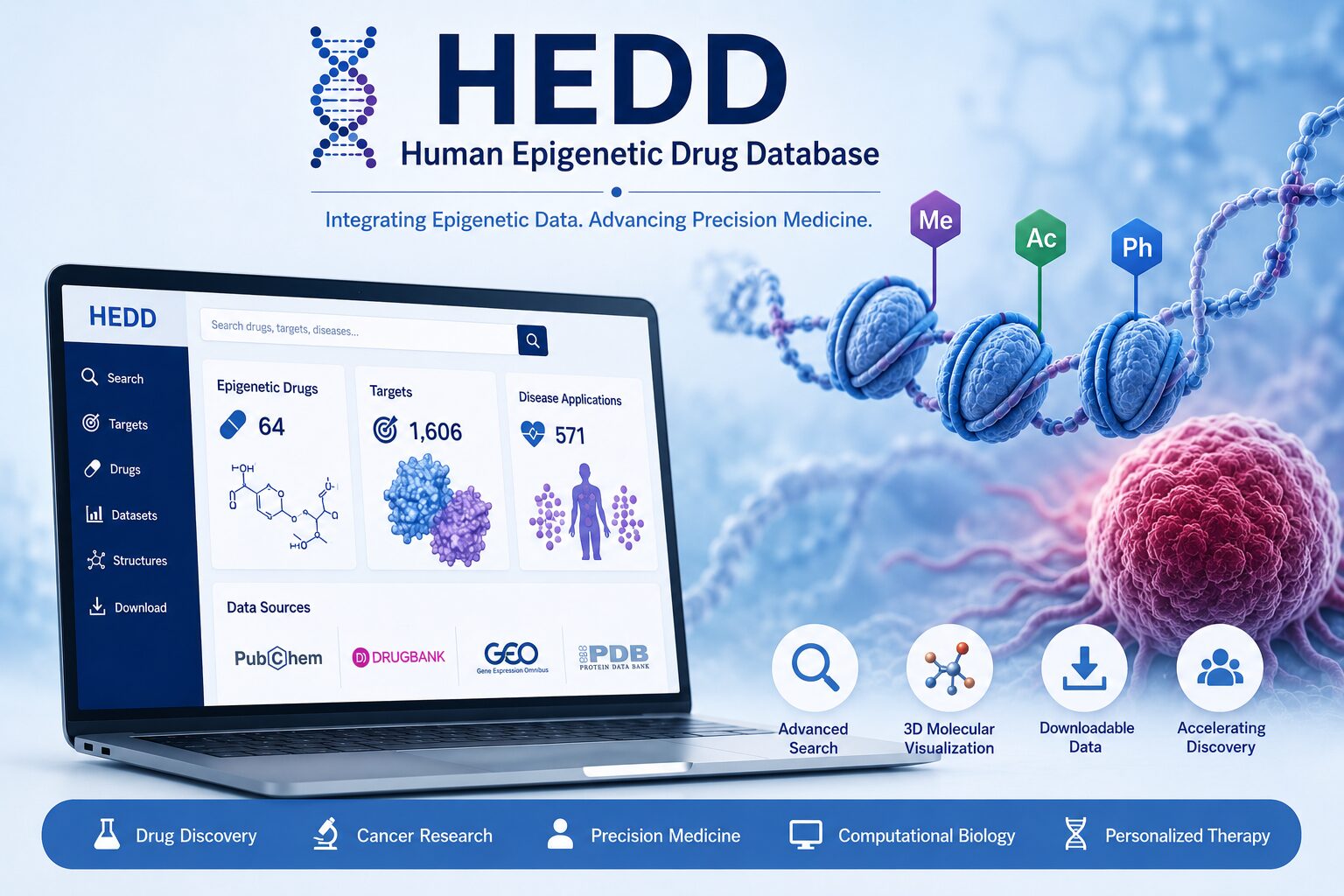
The Human Epigenetic Drug Database (HEDD) is a comprehensive platform developed to organize and integrate epigenetic drug research data, including disease & drug information, clinical trials, molecular targets, high-throughput datasets, and drug-target structures. Data collected from major biomedical databases such as PubChem, DrugBank, GEO, and PDB has been used to create a centralized resource for scientists and clinicians. HEDD contains datasets on 64 epigenetic drugs, 1,606 targets, and 571 disease applications. The database supports flexible searches, 3D molecular visualization, and downloadable datasets, enabling advancements in drug discovery, cancer research, precision medicine, computational biology, and personalized therapeutic development.

HEDD Database: Advancing Epigenetic Drug Discovery, Cancer Research, and Precision Medicine Through Integrated Biomedical Data Read More »

Microbial Electrochemical Technology Treats Nitrate and Arsenic-Contaminated Groundwater

Microbial Electrochemical Technology Treats Nitrate and Arsenic-Contaminated Groundwater

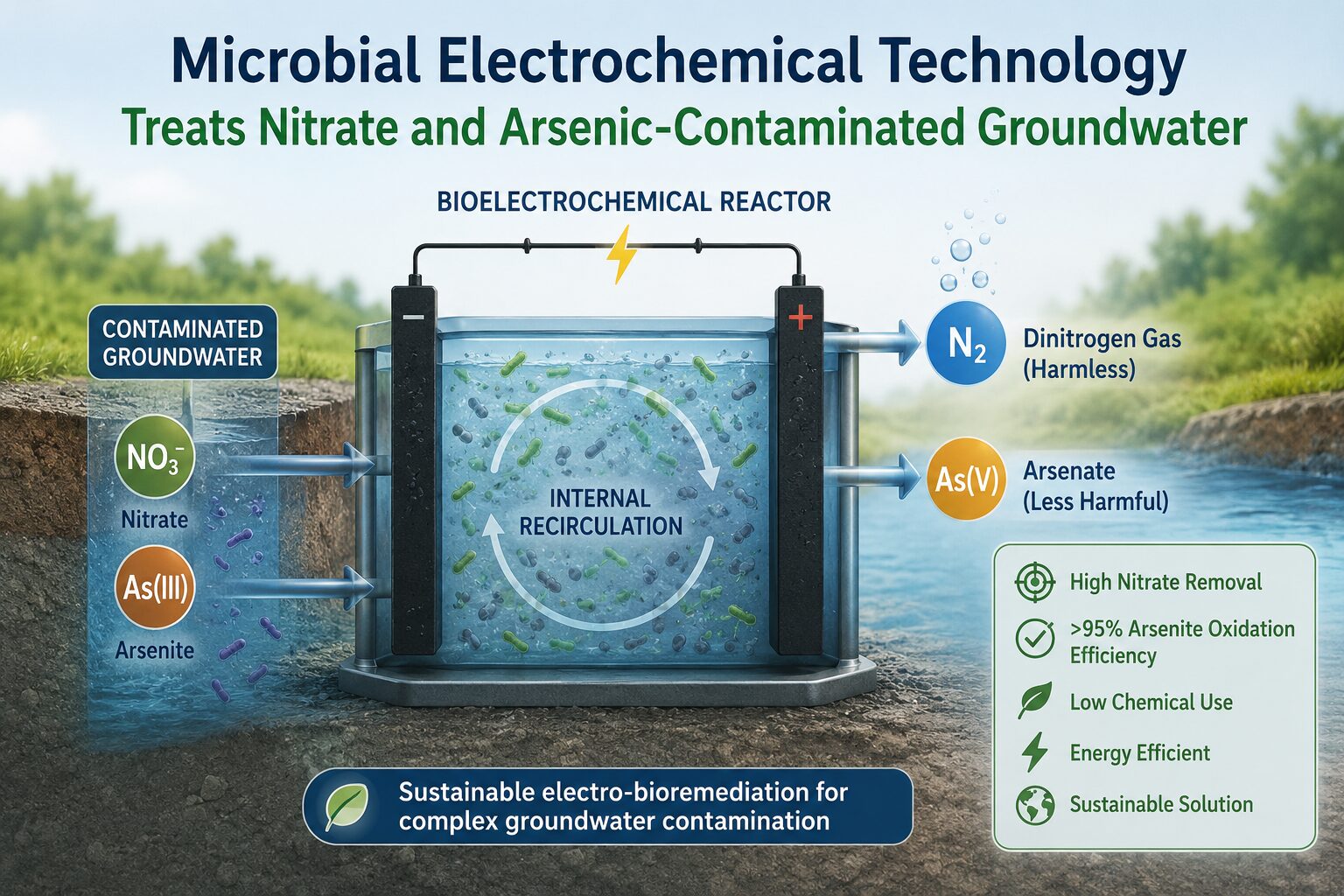
Microbial electrochemical technologies (METs) uses electro-bioremediation systems that can treat groundwater contaminated with nitrate and arsenite simultaneously. A continuous-flow bioelectrochemical reactor has been developed that reduces nitrate into harmless dinitrogen gas while oxidizing toxic arsenite into less harmful arsenate. The system can achieve high nitrate removal rates and over 95% arsenite oxidation efficiency under groundwater-like conditions. This works as the internal recirculation significantly improves treatment performance by enhancing mass transfers and microbial activity of denitrifying and arsenite-oxidizing bacteria like Sideroxydans sp and Achromobacter sp. Thus, electro-bioremediation as a sustainable, low-chemical, and energy-efficient solution for complex groundwater contamination challenges.

Microbial Electrochemical Technology Treats Nitrate and Arsenic-Contaminated Groundwater Read More »

Fetal Body MRI improves the diagnosis of fetal abnormalities

Fetal Body MRI Improves Prenatal Diagnosis and Neonatal Treatment

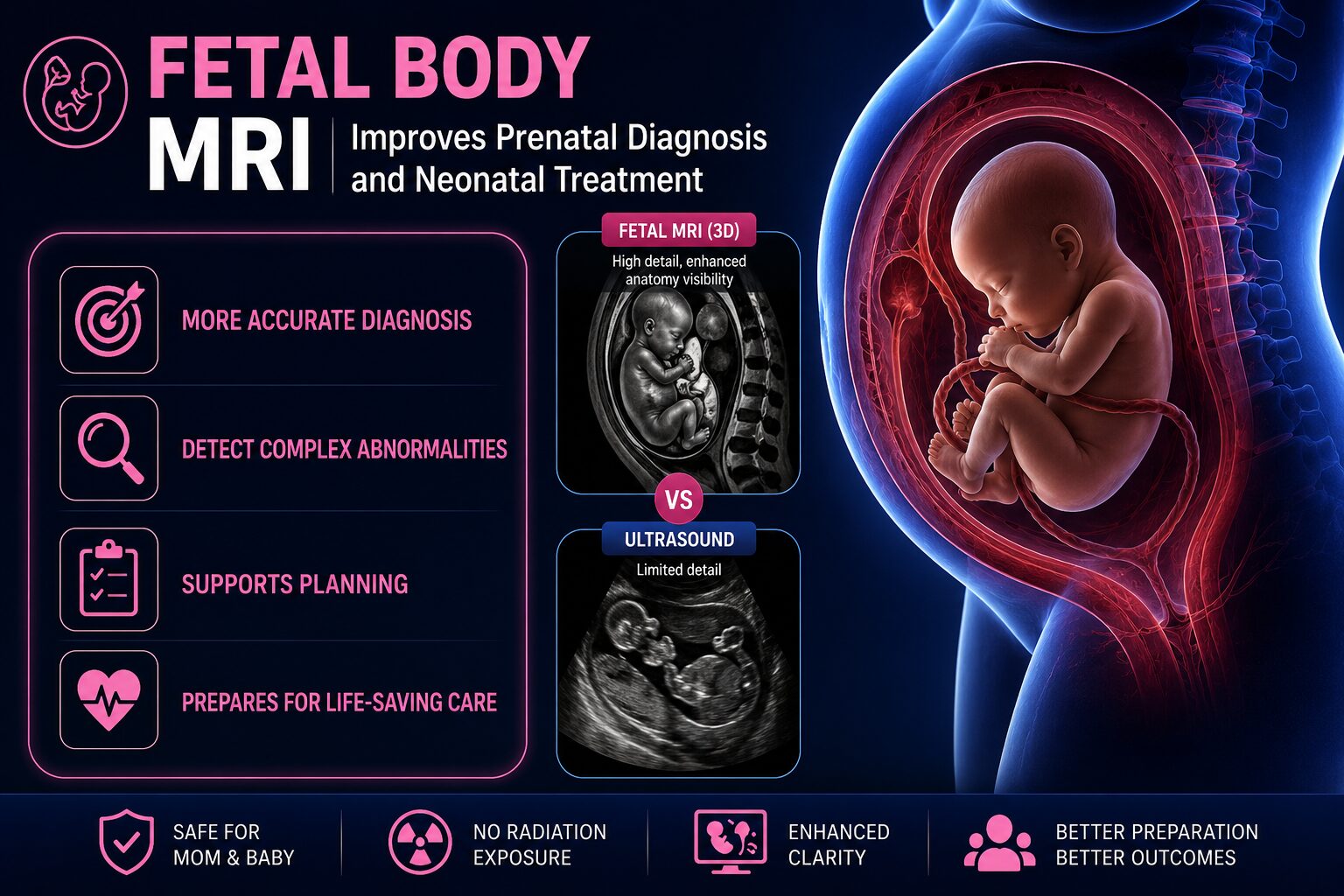
Fetal body MRI is improving prenatal diagnosis and neonatal treatment planning for congenital abnormalities. The motion-corrected 3D images obtained from MRI enhance the visualisation of fetal anatomy compared to traditional ultrasound alone and aids to determine atypical fetal position, reduced amniotic fluid volume, or high maternal body-mass index. Fetal MRI enables more accurate diagnosis, improves detection of complex abnormalities, supports surgical and delivery planning, and helps clinicians prepare for life-saving neonatal interventions such as airway management procedures, and improves outcomes for newborns with congenital conditions.

Fetal Body MRI Improves Prenatal Diagnosis and Neonatal Treatment Read More »

RosettaAntibody and SnugDock as Robust computational tools for Drug development

Computational Antibody Modelling tools are Transforming Modern Drug Development

Computational tools “Rosetta Antibody” and “Rosetta SnugDock”, developed by scientists, provide a simplified and automated framework for studying the kinematics of antibody–antigen docking. These tools enable single-domain antibody modelling, incorporating new loop modelling techniques and improved docking algorithms to enhance the accuracy and efficiency of antibody engineering. Benchmarking shows better structural predictions and more reliable binding simulations compared to earlier approaches. These models could fast-track the discoveries and developments of drugs, vaccines and personalised medicine, making accelerated innovation affordable.

Computational Antibody Modelling tools are Transforming Modern Drug Development Read More »

chatgpt image mar 28, 2026, 12 57 47 am

AI-Powered Digital Twins Enable Early Alzheimer’s Diagnosis with 88% Accuracy

Early diagnosis has been made possible by a digital twin model (DADD) that derives personalized Alzheimer’s disease (AD) biomarkers from non-invasive electroencephalographic (EEG) recordings. DADD model could identify early stage alzheimer’s with 79% accuracy while also identifying cerebrospinal fluid biomarkers with 88% accuracy and future cognitive decline with 87% accuracy using only non-invasive data. The DADD model enables scalable, low-cost screening and early intervention for preclinical AD such as subjective cognitive decline (SCD), reducing reliance on invasive tests with strong diagnostic and prognostic value.

AI-Powered Digital Twins Enable Early Alzheimer’s Diagnosis with 88% Accuracy Read More »

chatgpt image mar 18, 2026, 10 32 49 am

LEA, an AI model, can decode the microbial environments all the way from the gut to the ocean

An AI model, termed as LEA (Latent Environment Allocation) has been developed to evaluate the heterogeneity of microbial communities. This study is based on the idea that the microbial ecosystem reflects environments as continuous mixtures. LEA is a machine learning model that predicts the environmental composition of a new sample by placing it on a global microbiome map and comparing it with thousands of existing samples. The model can be applied for environmental monitoring, health diagnostics, and microbiome research, enabling classification of new samples, detection of contamination or dysbiosis, and semantic searching across large datasets without relying on rigid environmental labels.

LEA, an AI model, can decode the microbial environments all the way from the gut to the ocean Read More »

chatgpt image mar 11, 2026, 11 09 46 am

AIRVIC: The web-based AI Tool, automating viral detection in cell cultures

AIRVIC (AI Recognition of Viral CPE) is an AI-powered automated system specifically designed to detect and classify cytopathic effects caused by animal viruses like SARS-CoV-2, BAdV-1, BPIV3, BoAHV-1, and two strains of BoGHV-4 in Vero and MDBK cell lines. Generated using ResNet50-based convolutional neural network, AIRVIC achieved high detection performance with 100% accuracy for BoGHV-4 DN-599 in MDBK cells. AIRVIC demonstrates strong potential for viral isolation and antiviral efficacy testing through its accessible web-based platform, allowing global researchers to leverage its capabilities in viral diagnostics and beyond.

AIRVIC: The web-based AI Tool, automating viral detection in cell cultures Read More »

st 2

Welcome to Sci-Tech Bulletin

Sign up to receive awesome content in your inbox every week.

We don’t spam! Read our privacy policy for more info.

Scroll to Top