Placental Health Risks Linked to Aromatic Hydrocarbon

Placental Health Risks Linked to Aromatic Hydrocarbon Exposure in Pregnancy

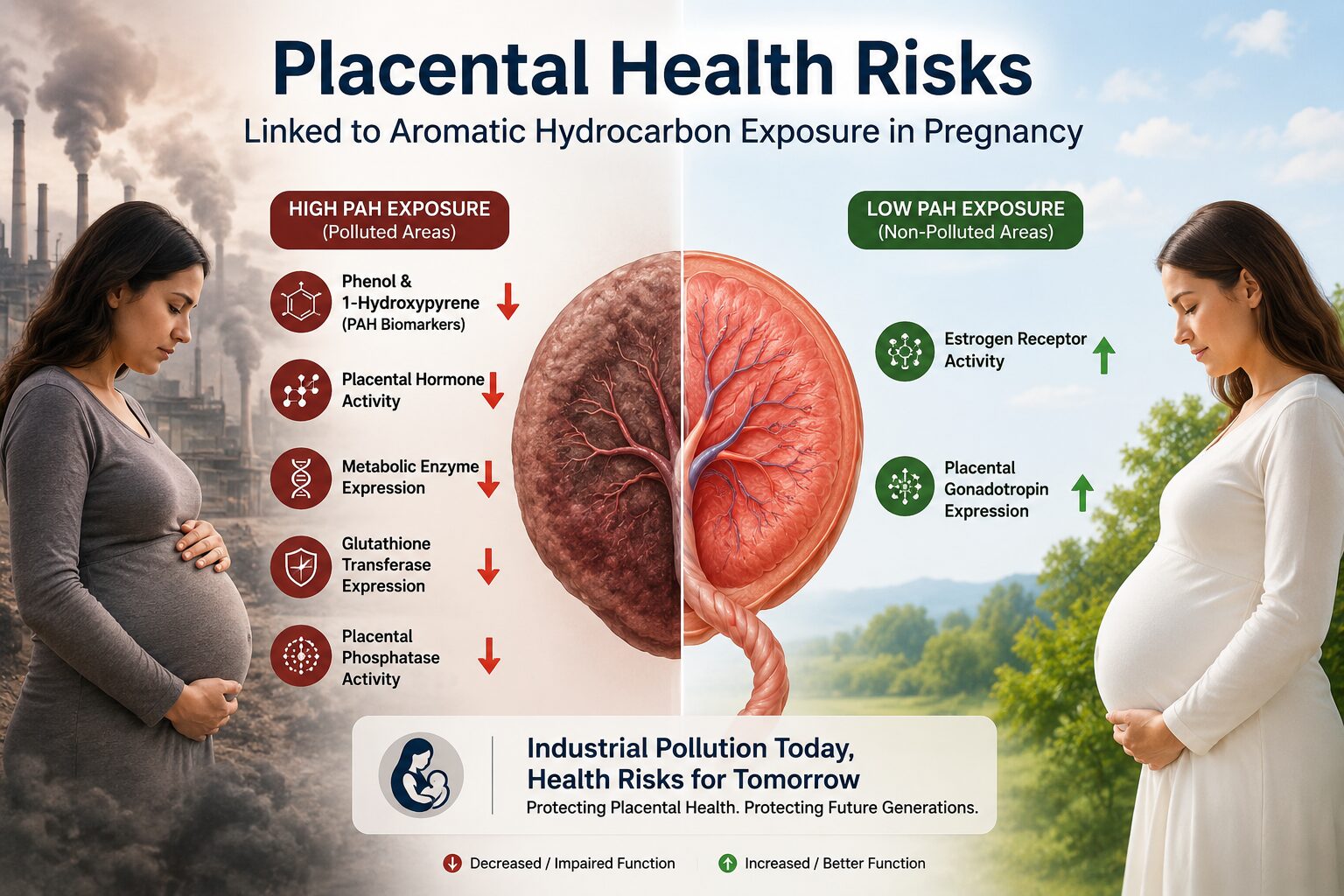
Higher exposure to environmental polycyclic aromatic hydrocarbons (PAHs) among women living in polluted areas has been linked to harmful effects on the human placenta. Key PAH biomarkers, including phenol and 1-hydroxypyrene, were associated with reduced placental hormone activity and decreased metabolic enzyme expression, indicating impaired placental function. It was also observed that lower expression of placental glutathione transferase and reduced placental phosphatase activity in placentas from polluted regions. In contrast, placentas from non-polluted areas showed significantly higher estrogen receptor activity and placental gonadotropin expression, highlighting the serious impact of industrial pollution on maternal and fetal health.

Placental Health Risks Linked to Aromatic Hydrocarbon Exposure in Pregnancy Read More »
AI based CRISPER screening

AI-Powered CRISPR screening reveals new therapeutic targets for Ebola virus infection

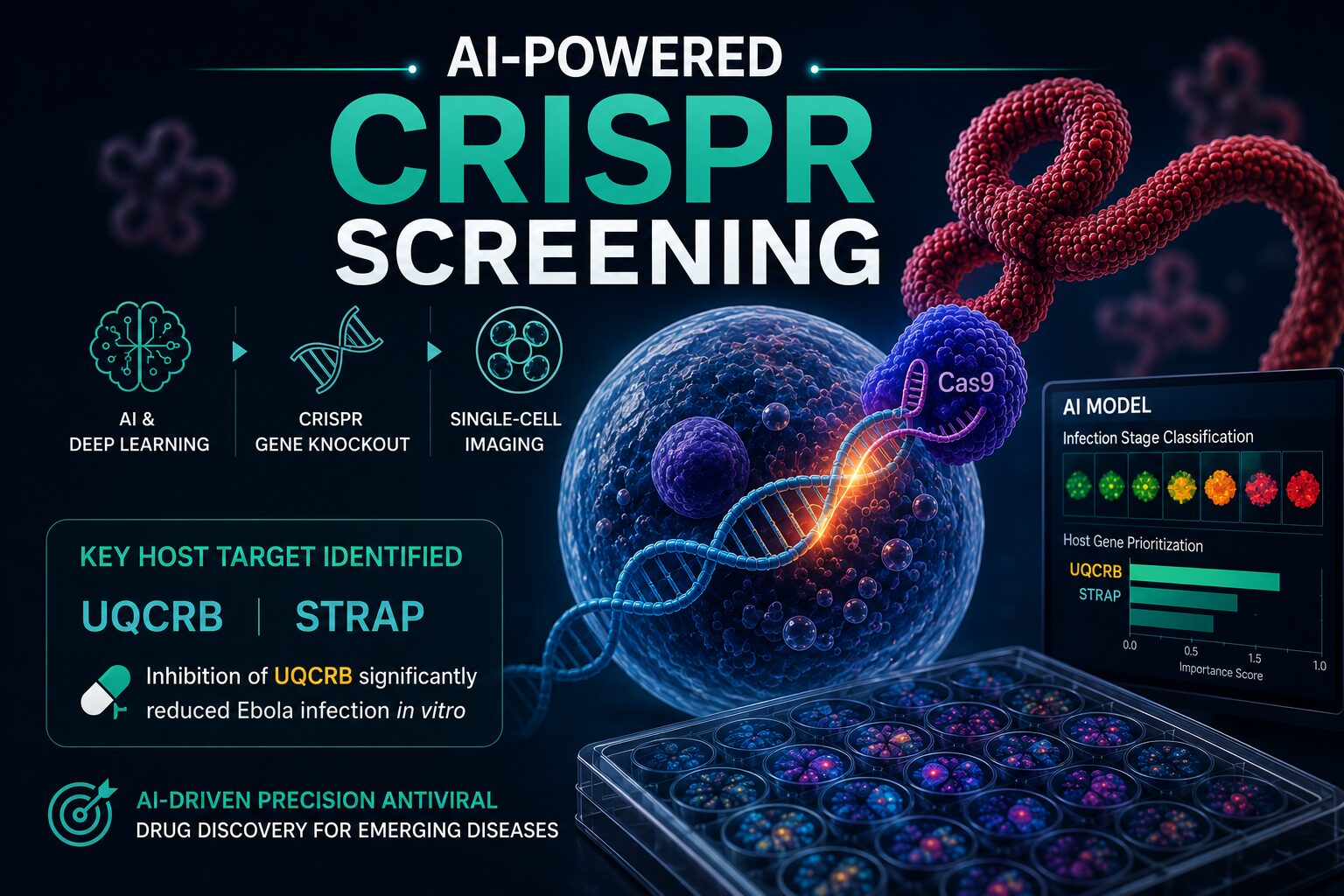
Deep learning models and CRISPR-based gene knockout techniques uncovered 998 host genes involved in Ebola virus replication. To identify potential therapeutic targets, researchers combined artificial intelligence (AI), image-based genome-wide CRISPR screening, and single-cell imaging technologies. AI-powered autoencoders and machine learning algorithms were used to classify different stages of viral infection and identify critical host factors, including UQCRB and STRAP. Notably, inhibition of UQCRB using a small-molecule compound significantly reduced Ebola infection in vitro, highlighting the promising potential of AI-driven precision antiviral drug discovery for emerging infectious diseases.

AI-Powered CRISPR screening reveals new therapeutic targets for Ebola virus infection Read More »

Bundibugyo Ebola virus vaccine

Bundibugyo Ebola virus vaccine shows life-saving potential post-exposure

Filovirus vaccine, Ervebo candidate rVSVΔG/BDBV-GP, has shown to provide therapeutic protection against Bundibugyo strain of Ebola virus. About 83 % of the cynomolgus macaques infected with virulent strain of the Bundibugyo virus displayed survival benefit from the vaccine as compared to the natural survival rate of 21%. The study found that early immune activation, strong interferon responses, and development of BDBV-specific IgG antibodies were linked to survival, highlighting the vaccine’s potential for emergency outbreak response and post-exposure treatment.

Bundibugyo Ebola virus vaccine shows life-saving potential post-exposure Read More »

Ebola Antibody

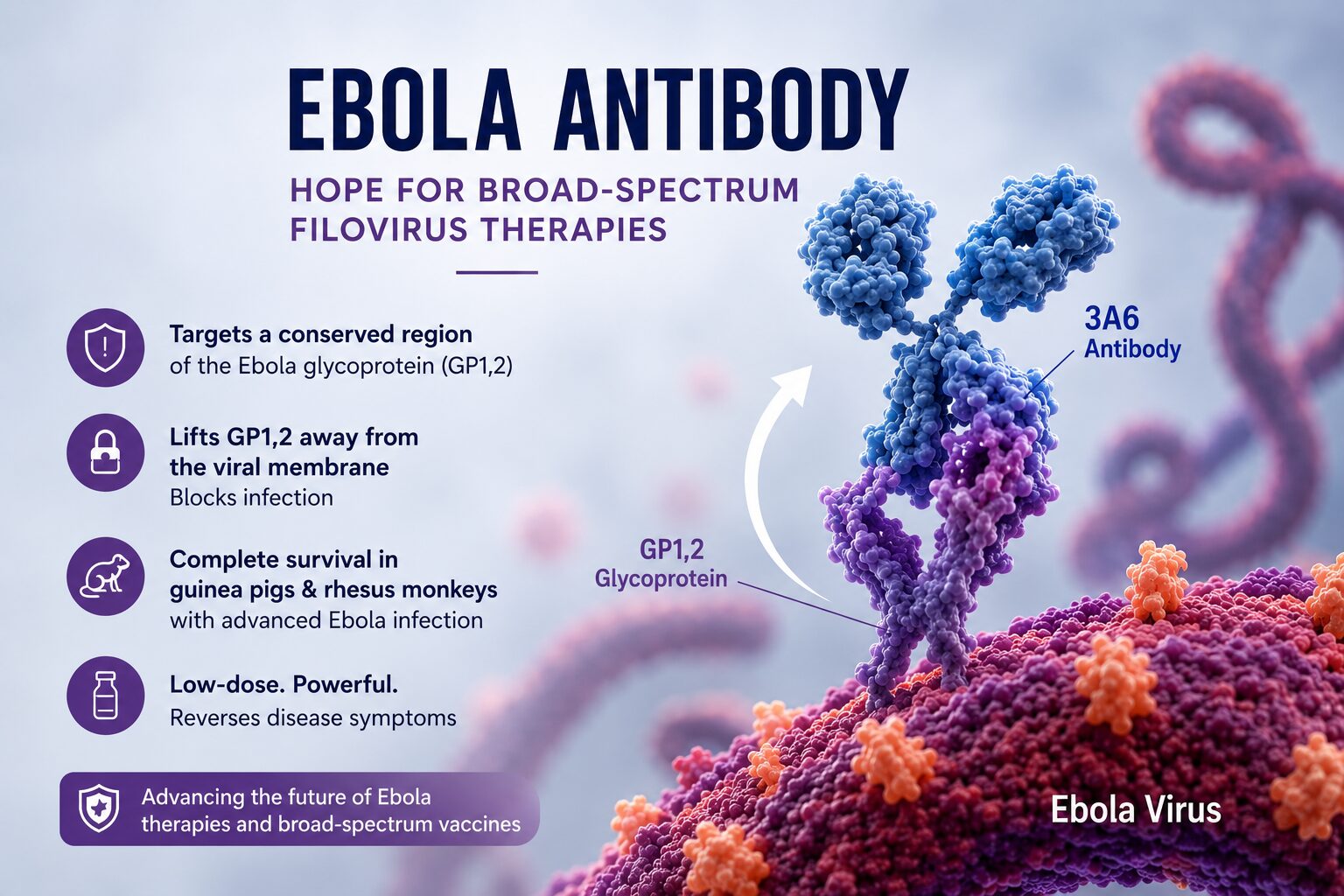
New Low-Dose Ebola Monoclonal Antibody Offers Hope for Future Broad-Spectrum Filovirus Therapies

Monoclonal antibody 3A6 (mAb 3A6) is finding its way as a promising and powerful therapy protection against Ebola virus disease by targeting a conserved region of the Ebola glycoprotein. mAb 3A6 binds to a GP1,2 glycoprotein and “lifts” it away from the viral membrane, blocking the infection. In guinea pigs and rhesus monkeys with advanced Ebola infection and high viral loads, low dose mAb 3A6 treatment achieved complete survival and reversed disease symptoms. These findings could guide development of more effective, lower-cost Ebola therapies and broad-spectrum filovirus vaccines.

New Low-Dose Ebola Monoclonal Antibody Offers Hope for Future Broad-Spectrum Filovirus Therapies Read More »

Metabolic Abnormalities and Omega-3 Deficiency Linked to Early Psychosis Risk in Young Adults

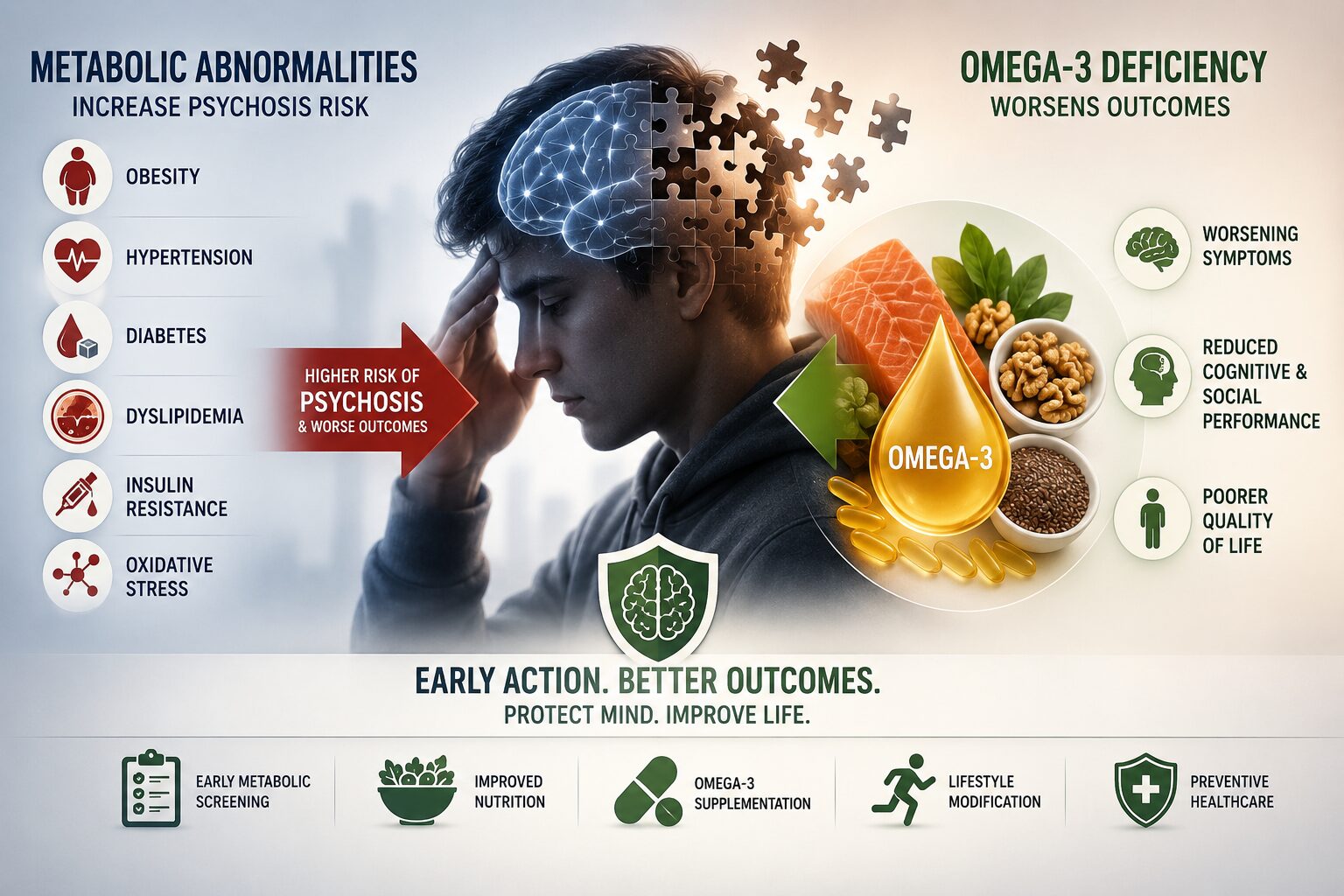
Metabolic Abnormalities and Omega-3 Deficiency Linked to Early Psychosis Risk in Young Adults

Metabolic abnormalities such as obesity, hypertension, diabetes, dyslipidemia, insulin resistance, and elevated oxidative stress are found to be associated with the risk of psychosis, symptom severity, and impaired daily functioning. In addition, low dietary Omega-3 fatty acid is strongly linked to worsening psychiatric symptoms, reduced cognitive and social performance, and poorer overall quality of life. Early metabolic screening, improved nutrition, Omega-3 supplementation, lifestyle modification, and preventive healthcare strategies may play a vital role in reducing psychosis risk, enhancing brain health, and improving long-term mental and physical health outcomes.

Metabolic Abnormalities and Omega-3 Deficiency Linked to Early Psychosis Risk in Young Adults Read More »

Linkage between heavy metal resistant genes and antibiotic resistant genes

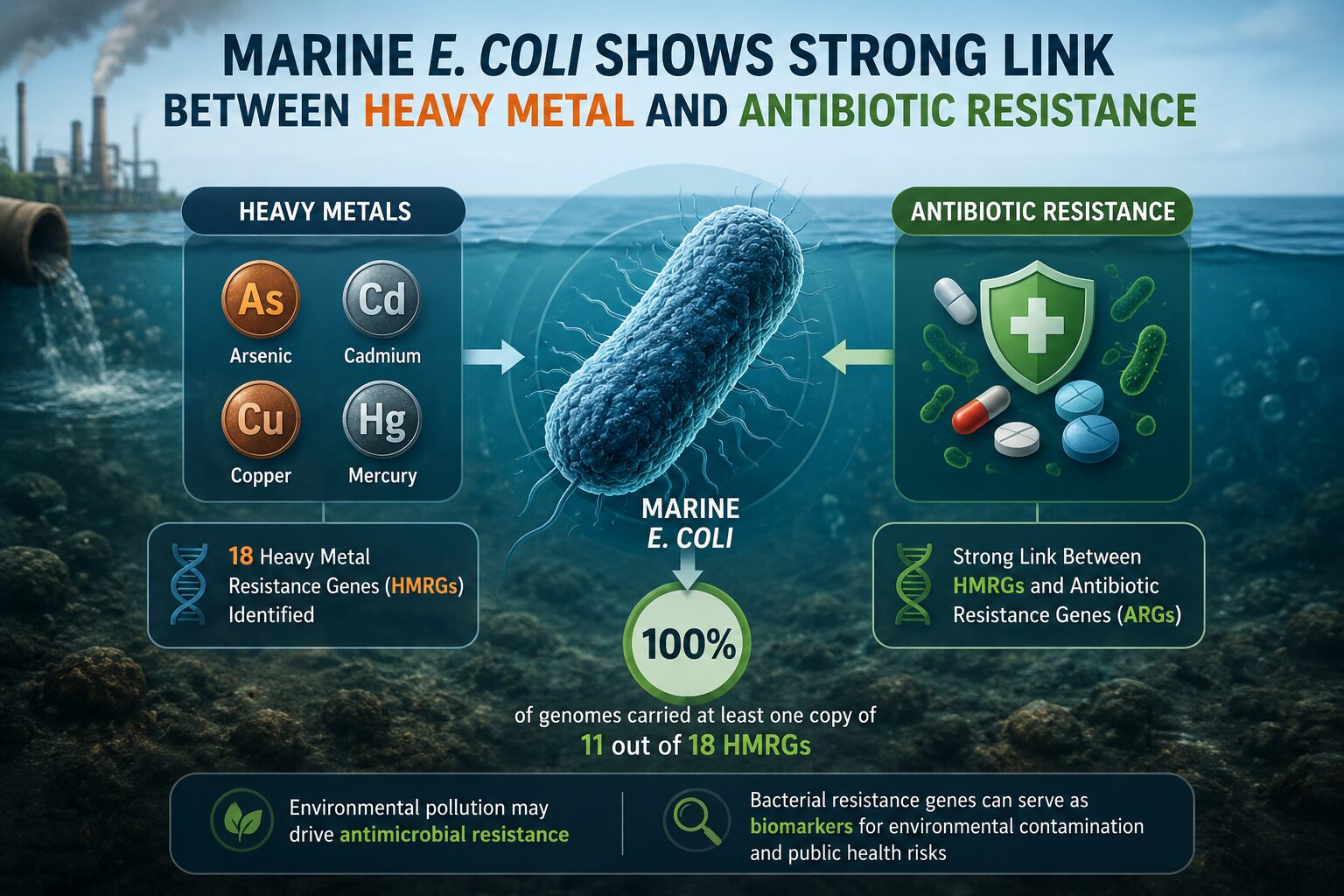
Marine E. coli Shows Strong Link Between Heavy Metal and Antibiotic Resistance

About 18 heavy metal resistance genes (HMRGs) associated with arsenic, cadmium, copper, and mercury resistance were identified in 308 E. coli isolates through whole genome sequencing and advanced bioinformatics analysis. Researchers also examined 25 antibiotic-resistant bacterial genomes and discovered important links between HMRGs and antibiotic resistance genes (ARGs). Notably, 100% of the analyzed genomes carried at least one copy of 11 out of the 18 identified HMRGs. These findings suggest that environmental pollution may play a significant role in driving antimicrobial resistance. The study also highlights the potential of using bacterial resistance genes as biomarkers for environmental contamination and emerging public health risks.

Marine E. coli Shows Strong Link Between Heavy Metal and Antibiotic Resistance Read More »

HEDD is an epigenetic drug database for drug discovery

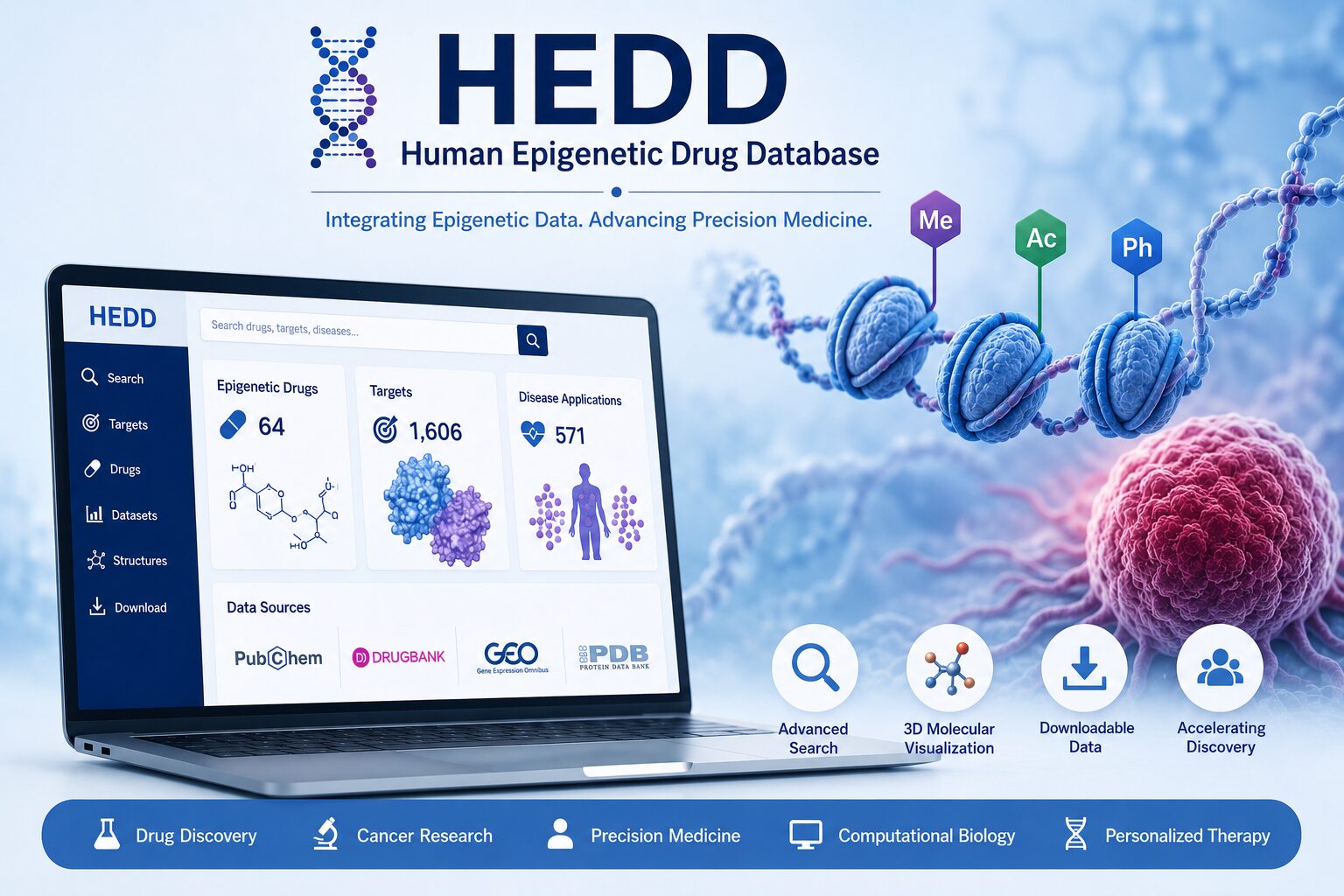
HEDD Database: Advancing Epigenetic Drug Discovery, Cancer Research, and Precision Medicine Through Integrated Biomedical Data

The Human Epigenetic Drug Database (HEDD) is a comprehensive platform developed to organize and integrate epigenetic drug research data, including disease & drug information, clinical trials, molecular targets, high-throughput datasets, and drug-target structures. Data collected from major biomedical databases such as PubChem, DrugBank, GEO, and PDB has been used to create a centralized resource for scientists and clinicians. HEDD contains datasets on 64 epigenetic drugs, 1,606 targets, and 571 disease applications. The database supports flexible searches, 3D molecular visualization, and downloadable datasets, enabling advancements in drug discovery, cancer research, precision medicine, computational biology, and personalized therapeutic development.

HEDD Database: Advancing Epigenetic Drug Discovery, Cancer Research, and Precision Medicine Through Integrated Biomedical Data Read More »

Ebola virus outbreak

Ebola Virus VP24 and VP35 Interactions Reveal New Antiviral Drug Targets

Scientists have discovered the Ebola virus proteins VP24 and VP35 that forms complex and coordinates the formation of nucleocapsid assembly through the polymerization of nucleoprotein (NP) along the viral RNA genome. VP35 functions as a chaperone and replication cofactor, stabilizing a newly identified outer third monomeric layer of NP, while VP24 helps stabilize and condense the nucleocapsid structure. The study also revealed that the intrinsically disordered region and C-terminal domain of the outer NP layer act as a flexible tether linking the nucleocapsid to the viral matrix. These conserved protein interfaces are promising targets for broad-spectrum antiviral therapies.

Ebola Virus VP24 and VP35 Interactions Reveal New Antiviral Drug Targets Read More »

Myo-Inositol and Folic Acid: A Safe and Effective Treatment for PCOS-Related Infertility

Myo-Inositol and Folic Acid: A Safe and Effective Treatment for PCOS-Related Infertility

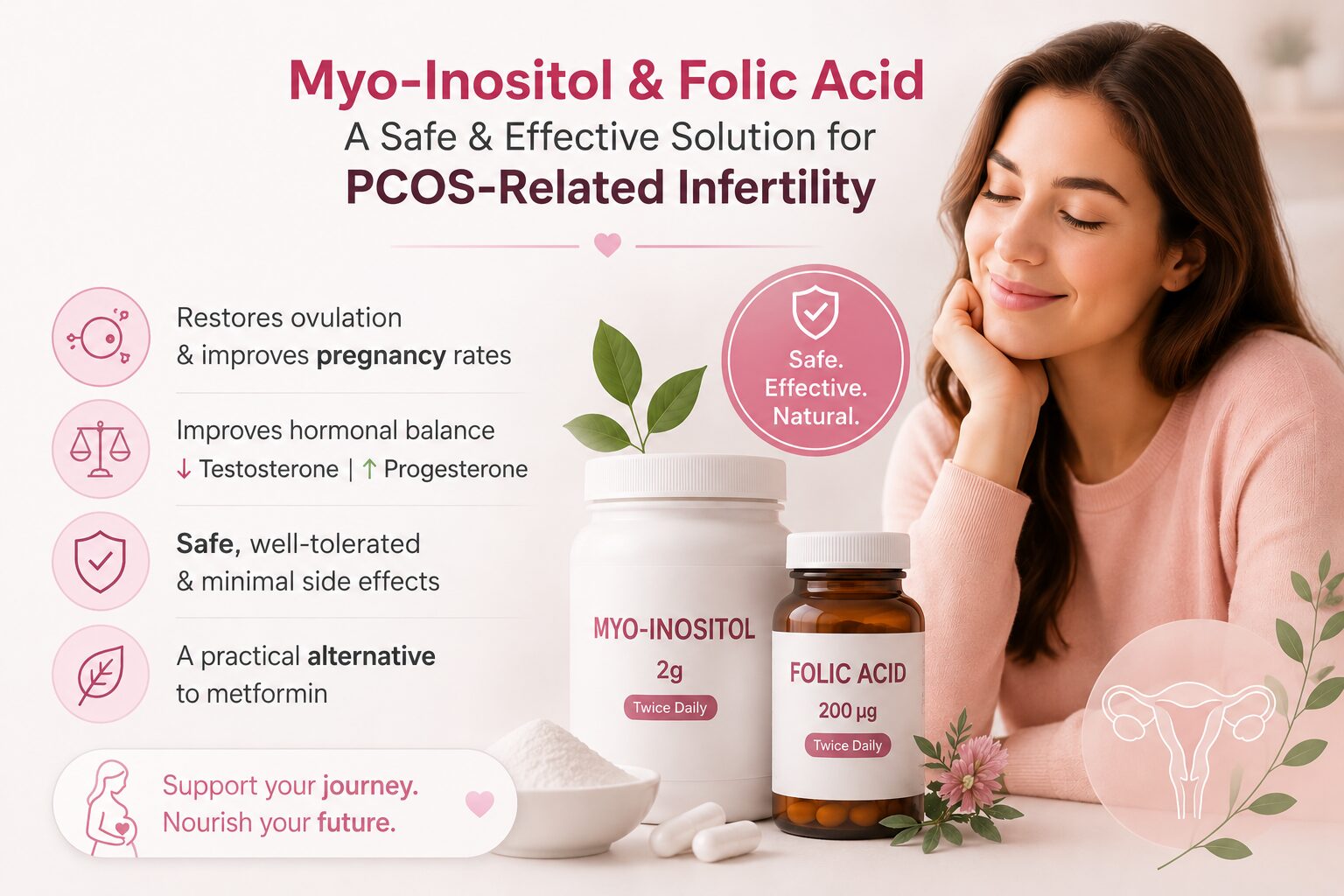
An observational study provides strong evidence that myo-Inositol and folic acid supplements offer a safe and effective treatment approach for women with Polycystic Ovary Syndrome (PCOS). The research found that taking 2 grams of myo-inositol and 200 μg of folic acid twice daily for 2–3 months helps to restore ovulation and improve pregnancy rates in women struggling with PCOS-related infertility. The treatment significantly improves hormonal balance by lowering testosterone levels and increasing progesterone levels. Most importantly, no major side effects are observed, making myo-inositol and folic acid a practical, well-tolerated, and effective alternative to metformin for managing PCOS infertility.

Myo-Inositol and Folic Acid: A Safe and Effective Treatment for PCOS-Related Infertility Read More »

Mesenchymal Stem cell therapy

Umbilical Cord Mesenchymal Stem Cells is a promising therapy for Leukemia, GVHD, and Aplastic Anemia

Umbilical cord mesenchymal stem cells (UC-MSCs) are emerging as promising therapies for hematological diseases due to their high proliferation, low immunogenicity, and strong immunomodulatory properties. UC-MSCs support hematopoietic stem cell growth, reduce graft-versus-host disease (GVHD), and improve outcomes after stem cell transplantation. The therapy can potentially be applied in treating aplastic anemia, immune thrombocytopenia, and certain blood cancers. Their ability to regulate immune responses and target tumor cells makes them valuable in regenerative medicine and oncology.

Umbilical Cord Mesenchymal Stem Cells is a promising therapy for Leukemia, GVHD, and Aplastic Anemia Read More »

st 2

Welcome to Sci-Tech Bulletin

Discover mind-bending science breakthroughs in your inbox every week

This field is required.

We don’t spam! Read our privacy policy for more info.

Scroll to Top