chatgpt image aug 19, 2026, 11 50 54 pm

Therapeutic Gardens Support Stress Recovery and Mental Well-Being

Therapeutic gardens, designed by combining the natural elements for relaxation, physical activity, reflection, and meaningful activities are known to provide familiarity, safety, and a sense of belonging to the people experiencing stress-related illness. The natural environment, mindfulness exercises, garden activities, professional support, and personal choice increase self-awareness and help people recognise destructive stress patterns. People develop individual coping strategies and gain confidence to adopt new approaches in daily life, highlighting the importance of supportive nature-based therapy environments for stress management and recovery.

Therapeutic Gardens Support Stress Recovery and Mental Well-Being Read More »

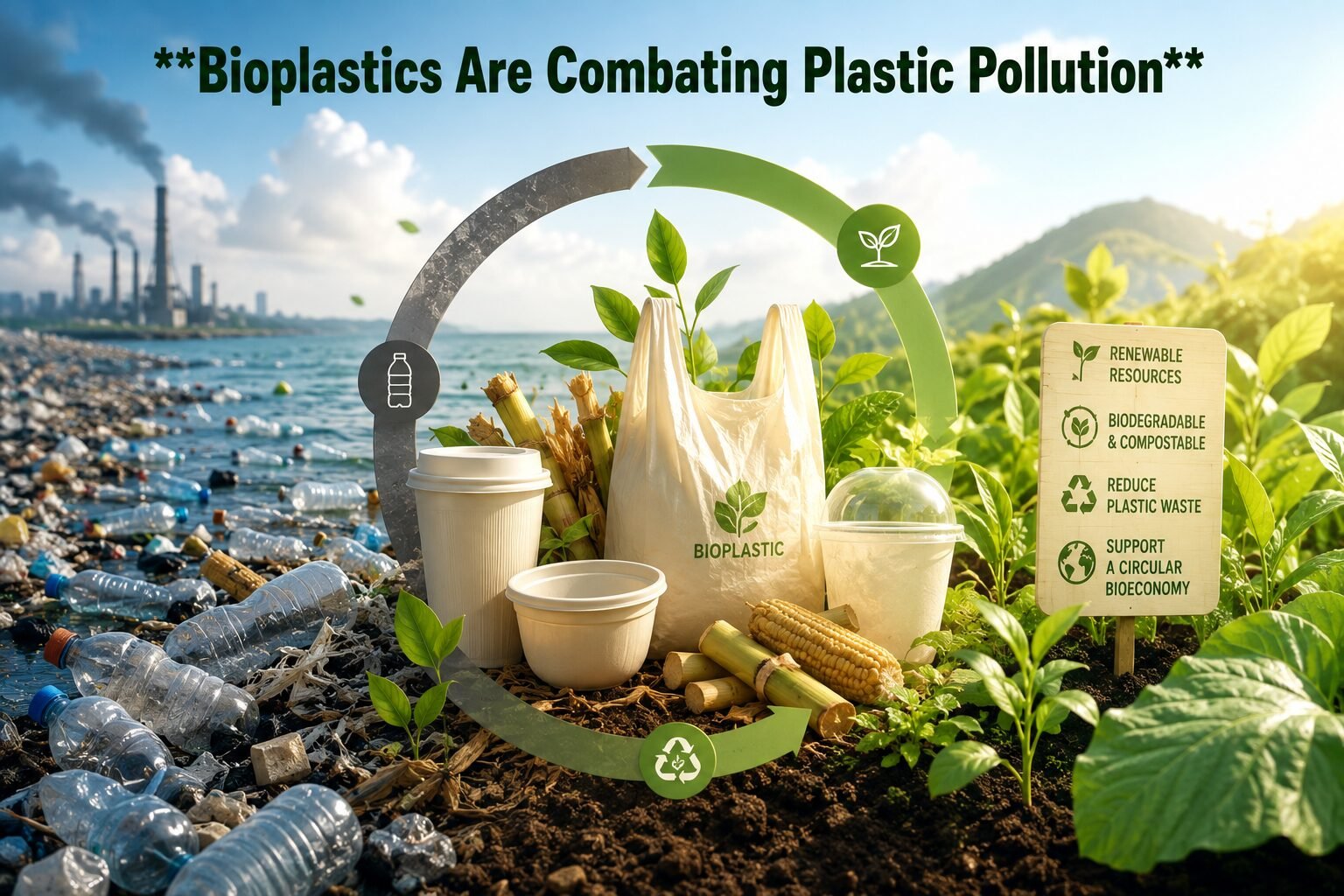
Bioplastics Are Combating Plastic Pollution in the Anthropocene Era

How Bioplastics Are Combating Plastic Pollution in the Anthropocene Era

Plastic pollution is a defining challenge of the Anthropocene, requiring solutions beyond conventional recycling. Biodegradable and bio-based plastics, particularly those produced from agricultural and food waste, offer a promising pathway toward a circular bioeconomy. The current scientific evidences, emphasizes the need for innovation in sustainable materials, improved waste management, and collaborative efforts among researchers, industries, policymakers, and consumers, reducing plastic waste while supporting environmentally responsible production and long-term sustainability.

How Bioplastics Are Combating Plastic Pollution in the Anthropocene Era Read More »

Healing Power of Nature

The Healing Benefits of Nature for Cancer Patients’ Well-Being

Nature plays a meaningful role in the lives of people living with cancer by providing restorative physical and psychological spaces enriched with personal significance. The natural environments help patients reconnect with life, find respite from clinical settings, reflect on their experiences, gain comfort, reinterpret their illness, remain physically active, and appreciate everyday moments. These benefits contribute to improved emotional well-being, resilience, and overall quality of life. These findings support integrating nature-based interventions and healing environments into cancer care as valuable, evidence-informed complements to conventional medical treatment and supportive care.

The Healing Benefits of Nature for Cancer Patients’ Well-Being Read More »

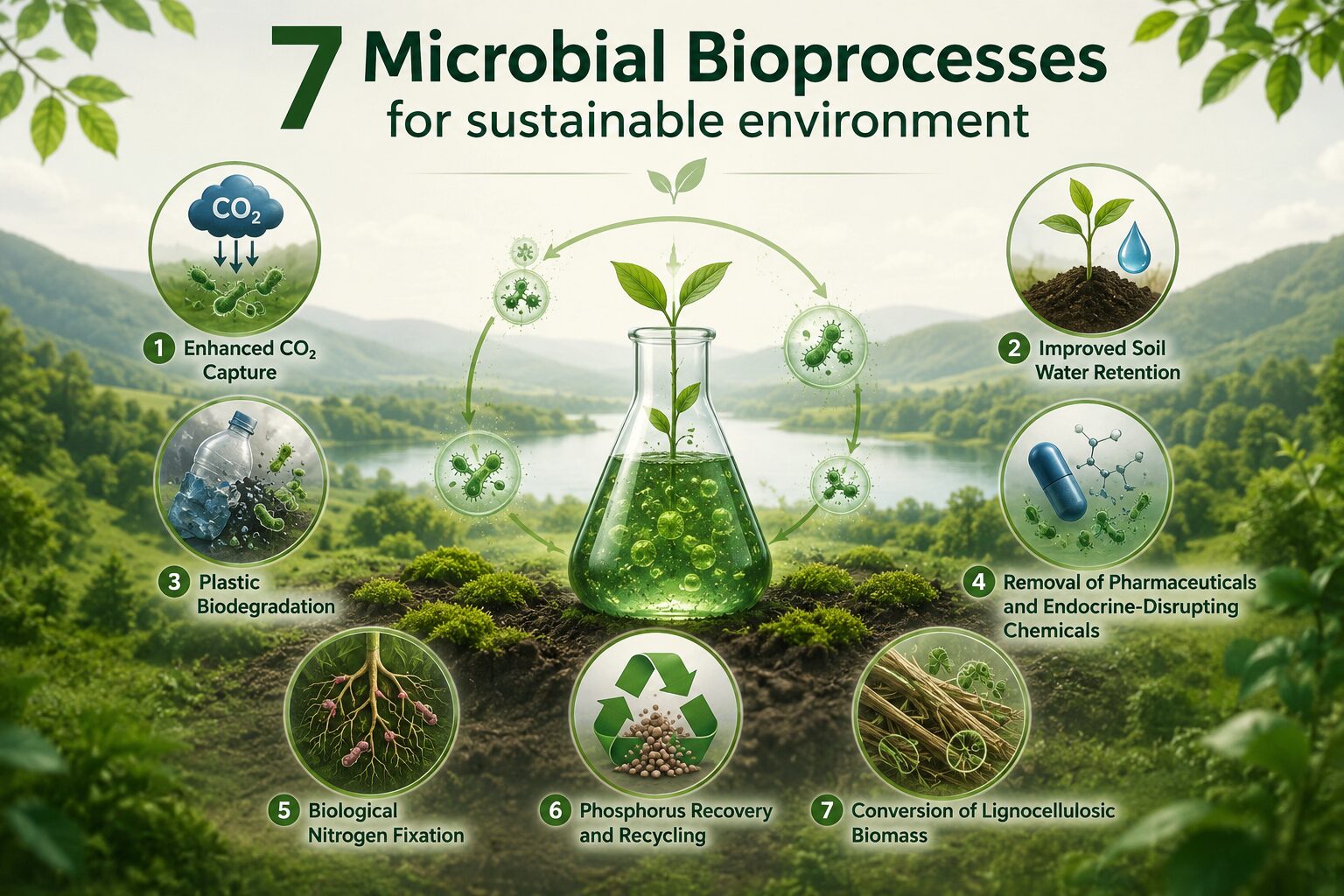
Seven microbial solutions revolutionizing environmental biotechnology

Seven microbial solutions for sustainable environment

Microbial bioprocesses offer promising solutions to global environmental challenges through innovative strategies such as enhanced carbon dioxide (CO₂) capture, improved soil water retention, plastic biodegradation, removal of pharmaceuticals and endocrine-disrupting chemicals, biological nitrogen fixation, phosphorus recovery and recycling, and efficient conversion of lignocellulosic biomass. These advances demonstrate the practical potential of engineered microorganisms for sustainable development. Technological advancements in microbial biotechnology can support climate action, resource conservation, pollution control, sustainable agriculture, and the transition to a resilient, circular bioeconomy with tangible environmental and societal benefits.

Seven microbial solutions for sustainable environment Read More »

chatgpt image jun 25, 2026, 10 51 43 am

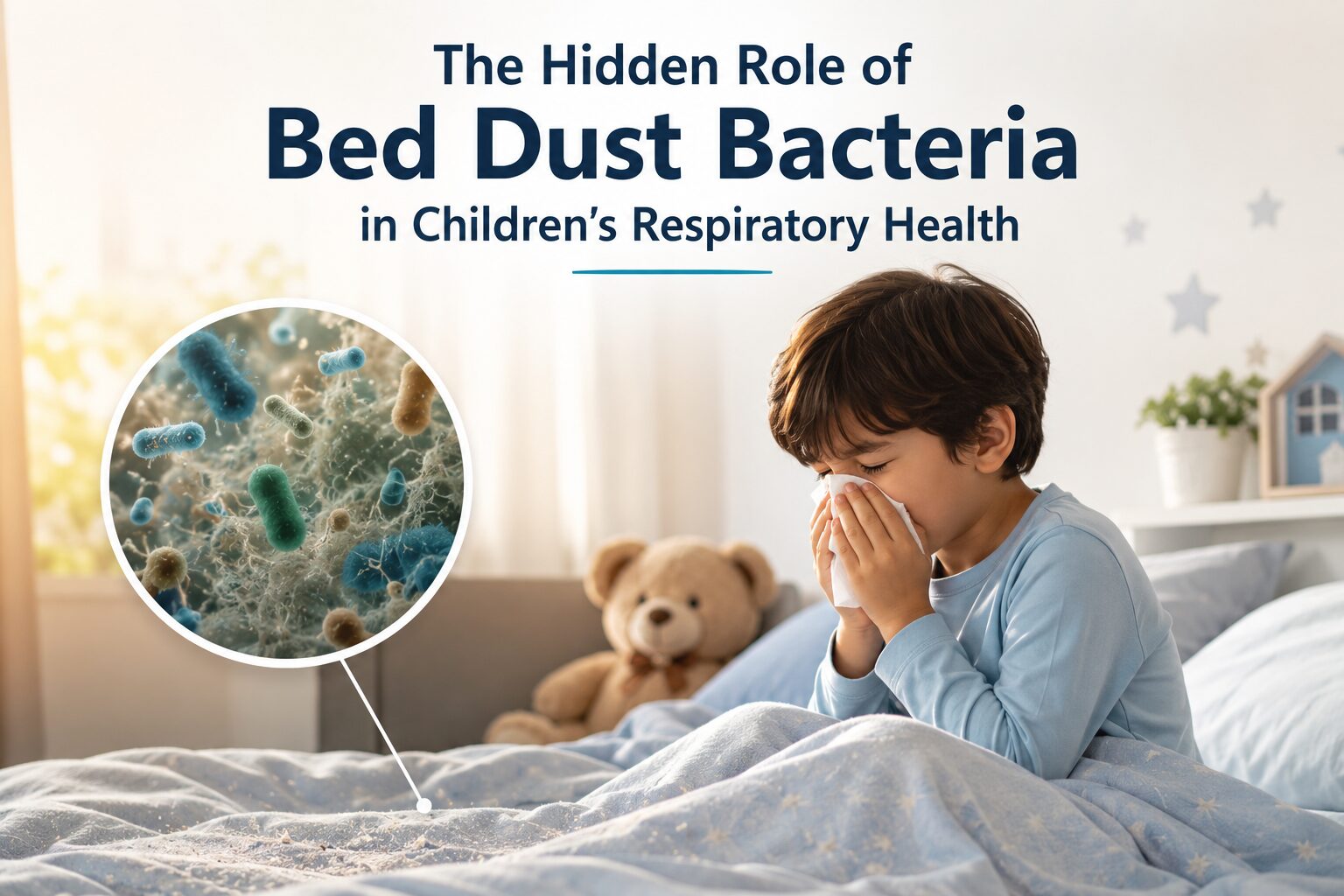
The Hidden Role of Bed Dust Bacteria in Children’s Respiratory Health

The bacterial microbiome in household bed dust is strongly influenced by environmental factors and may play an important role in childhood asthma. When 90 bed dust samples were analysed using high-throughput 16S rRNA gene sequencing, significant differences in bacterial community composition between asthmatic and healthy children have been found. Factors such as living environment, housing type, pet ownership, and cleaning practices were found to shape indoor microbial diversity. Fostering a healthy diverse indoor microbiome could support respiratory health and inform future indoor air quality and healthy home strategies.

The Hidden Role of Bed Dust Bacteria in Children’s Respiratory Health Read More »

Artificial Light at Night Increases Type 2 Diabetes Risk

Artificial Light at Night Increases Type 2 Diabetes Risk

Artificial light at night (ALAN) is an increasingly prevalent environmental exposure that may contribute to the rising burden of type 2 diabetes. Nighttime light disrupts circadian rhythms, suppresses melatonin production, impairs insulin sensitivity, and promotes unhealthy lifestyle behaviours associated with poor metabolic health. The ALAN timing, duration, and wavelength of light exposure significantly influence diabetes risk. Strategies such as optimizing sleep environments, minimizing evening screen exposure, and adopting chrononutrition and chronotherapy may help reduce diabetes risk and support better metabolic health, healthier lifestyle habits, and wound enhance diabetes management.

Artificial Light at Night Increases Type 2 Diabetes Risk Read More »

chatgpt image jun 12, 2026, 01 42 05 pm

The benefits of Green Spaces on children’s Quality of Life

Access to natural environments including parks, water bodies, and vegetation within 500 meters of children’s homes plays an important role in supporting children’s Health-Related Quality of Life (HRQOL). Research shows that these natural features are associated with improved physical, social, and overall well-being, particularly among urban and suburban children. The relationship between nature and well-being varies across urban, suburban, and rural communities. These findings underscore the importance of designing nature-friendly environments and policies that promote healthier lifestyles, child development, and long-term well-being.

The benefits of Green Spaces on children’s Quality of Life Read More »

Natural Bioherbicides

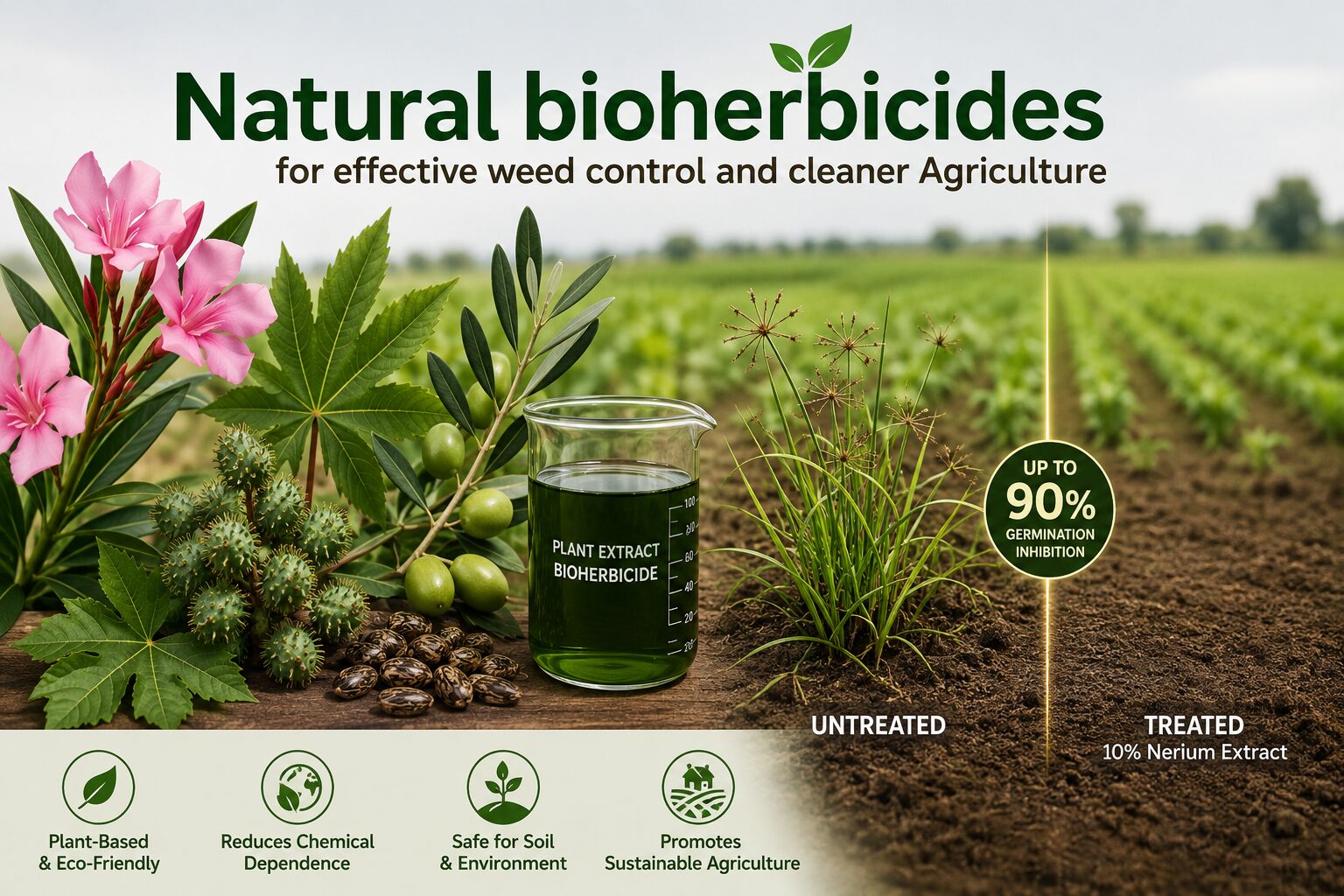
Natural bioherbicides for effective weed control and cleaner agriculture

Natural bioherbicides are emerging as promising eco-friendly alternatives to chemical herbicides for controlling Cyperus rotundus (purple nutsedge), one of the most persistent agricultural weeds. Aqueous leaf extracts of Nerium (Nerium oleander), Castor (Ricinus communis), and Olive (Olea europaea) at concentrations of 5%, 7.5%, and 10% have demonstrated significant weed-suppression potential. Among them, Nerium extract exhibited the strongest allelopathic effect, achieving up to 90% germination inhibition and complete suppression at a 10% concentration. These plant-derived bioherbicides can potentially reduce dependence on synthetic chemicals, minimize environmental pollution, and promote sustainable agricultural practices.

Natural bioherbicides for effective weed control and cleaner agriculture Read More »

Moringa oleifera offers a cost-effective solution for microplastic removal from drinking water

Moringa oleifera offers a cost-effective solution for microplastic removal from drinking water

Recently, Moringa oleifera have been studied to reduce aged polyvinyl chloride microplastics (Aged-PVC MPs) from drinking water. Acting as a natural coagulant, Moringa oleifera seed saline extract (MOS-SE), achieved an impressive 98.5% microplastic removal efficiency, matching the performance of conventional alum-based treatment. When tested, in-line filtration was found to be as effective as direct filtration, eliminating the need for an additional flocculation step and reducing treatment complexity and costs. Additionally, MOS-SE effectively reduced aromatic organic matter, demonstrating its potential as a sustainable, eco-friendly, and cost-effective solution for modern drinking water treatment.

Moringa oleifera offers a cost-effective solution for microplastic removal from drinking water Read More »

Placental Health Risks Linked to Aromatic Hydrocarbon

Placental Health Risks Linked to Aromatic Hydrocarbon Exposure in Pregnancy

Higher exposure to environmental polycyclic aromatic hydrocarbons (PAHs) among women living in polluted areas has been linked to harmful effects on the human placenta. Key PAH biomarkers, including phenol and 1-hydroxypyrene, were associated with reduced placental hormone activity and decreased metabolic enzyme expression, indicating impaired placental function. It was also observed that lower expression of placental glutathione transferase and reduced placental phosphatase activity in placentas from polluted regions. In contrast, placentas from non-polluted areas showed significantly higher estrogen receptor activity and placental gonadotropin expression, highlighting the serious impact of industrial pollution on maternal and fetal health.

Placental Health Risks Linked to Aromatic Hydrocarbon Exposure in Pregnancy Read More »

st 2

Welcome to Sci-Tech Bulletin

Discover mind-bending science breakthroughs in your inbox every week

This field is required.

We don’t spam! Read our privacy policy for more info.

Scroll to Top