
The Healing Benefits of Nature for Cancer Patients' Well-Being
Why holistic and patient-centered care is important for Cancer patients
Cancer treatment extends far beyond surgery, chemotherapy, and radiation. Patients often face emotional distress, physical exhaustion, uncertainty, and major lifestyle changes throughout their journey. As healthcare increasingly embraces holistic and patient-centered care, researchers are exploring how non-medical interventions can improve quality of life.
A meta-analysis conducted by Sarah Blaschke examined exactly this question by synthesizing qualitative evidence on the role of nature in the lives of cancer patients. Rather than measuring clinical outcomes such as tumor size or survival rates, the study explored how patients personally experienced nature during diagnosis, treatment, and recovery.
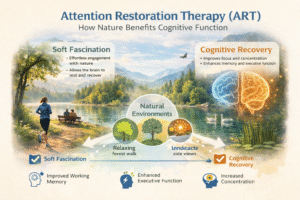
The findings suggest that nature serves as much more than a pleasant backdrop—it can become a meaningful therapeutic resource that supports emotional resilience, personal reflection, and overall well-being.
Role of Nature in Cancer Care
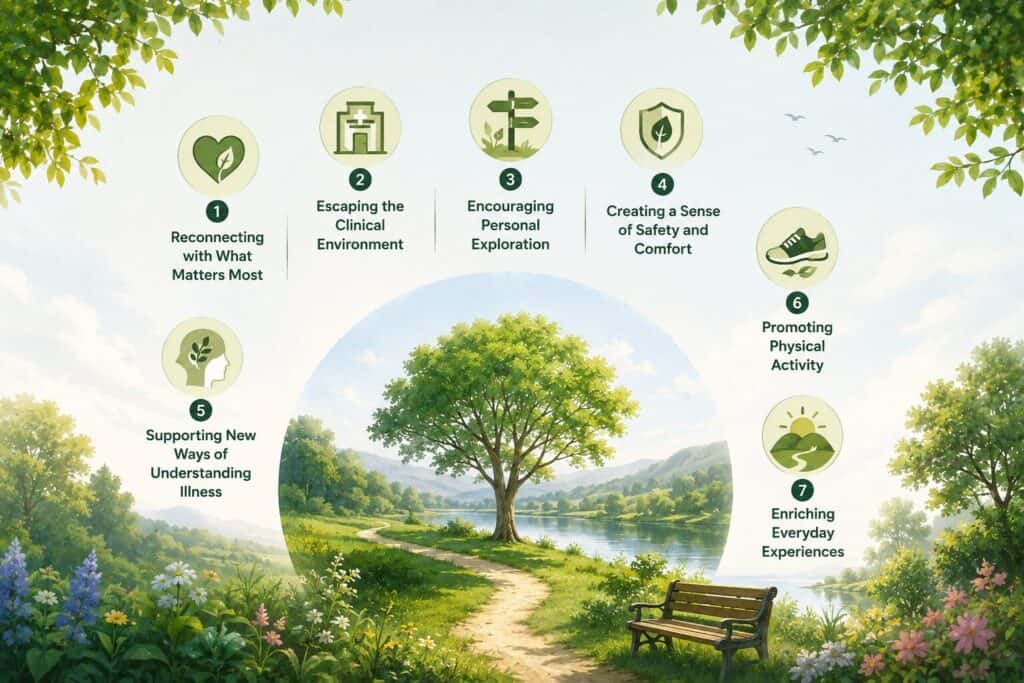
The analysis identified seven interconnected themes describing how nature supports cancer patients throughout their journey.
- Reconnecting with What Matters Most
Nature helps patients reconnect with personal values, relationships, memories, and life priorities. Many participants describe natural settings as places where they could temporarily step away from illness and remember aspects of their identity beyond being a cancer patient.
This reconnection often strengthened hope and emotional resilience.
- Escaping the Clinical Environment
Hospitals and treatment centres can become emotionally overwhelming. Patients have reported that spending time outdoors created a psychological sense of “being elsewhere,” allowing them to distance themselves from anxiety, medical procedures, and constant reminders of illness.
Even brief exposure to gardens or green spaces provide meaningful emotional relief.
- Encouraging Personal Exploration
Nature becomes a setting for reflection, self-discovery, and personal growth.
Patients describe outdoor environments as spaces where they could process emotions, contemplate their future, and adapt to life changes brought about by cancer. These experiences often supporte emotional adjustment during difficult stages of treatment.
- Creating a Sense of Safety and Comfort
Natural environments frequently generate feelings of familiarity, stability, and peace.
Nature function as a “secure base,” offering emotional security from which patients could better cope with uncertainty and reconnect with themselves and loved ones.
- Supporting New Ways of Understanding Illness
Patients often use natural elements symbolically. Seasonal changes, growth cycles, and landscapes help individuals interpret their illness, communicate complex emotions, and develop new perspectives on recovery and mortality.
Nature becomes both a physical and psychological resources.
- Promoting Physical Activity
Nature encourages patients to engage in gentle physical activities such as:
- Walking
- Gardening
- Outdoor recreation
- Light exercise
These activities contribute to improved mobility, greater confidence, and enhanced overall well-being while remaining accessible to many patients.
- Enriching Everyday Experiences
Participants consistently describe nature as aesthetically uplifting. Experiencing trees, flowers, wildlife, sunlight, fresh air, and changing landscapes bring moments of joy and normalcy during otherwise challenging periods.
These positive experiences help improve mood and provide welcome breaks from treatment-related stress.
Natural Environment improves Healthcare Outcomes
One of the most valuable contributions of nature is its practical relevance for healthcare providers and cancer support services.
Hospital Design
Healthcare facilities can integrate more natural elements by incorporating:
- Healing gardens
- Outdoor seating areas
- Green courtyards
- Window views overlooking vegetation
- Indoor plants and natural light
These relatively simple environmental changes may enhance patient comfort and emotional well-being.
Cancer Support Programs
Support organizations can consider incorporating nature-based activities into survivorship programs, including:
- Guided garden walks
- Nature mindfulness sessions
- Community gardening
- Outdoor rehabilitation programs
Such initiatives may complement conventional medical treatment without replacing it.
Individual Patient Care
Healthcare professionals may encourage patients, when appropriate and feasible, to spend time in natural settings that are meaningful to them. Even short visits to local parks or hospital gardens may provide psychological benefits, depending on individual preferences and physical condition.
Why Natural Environment Matters
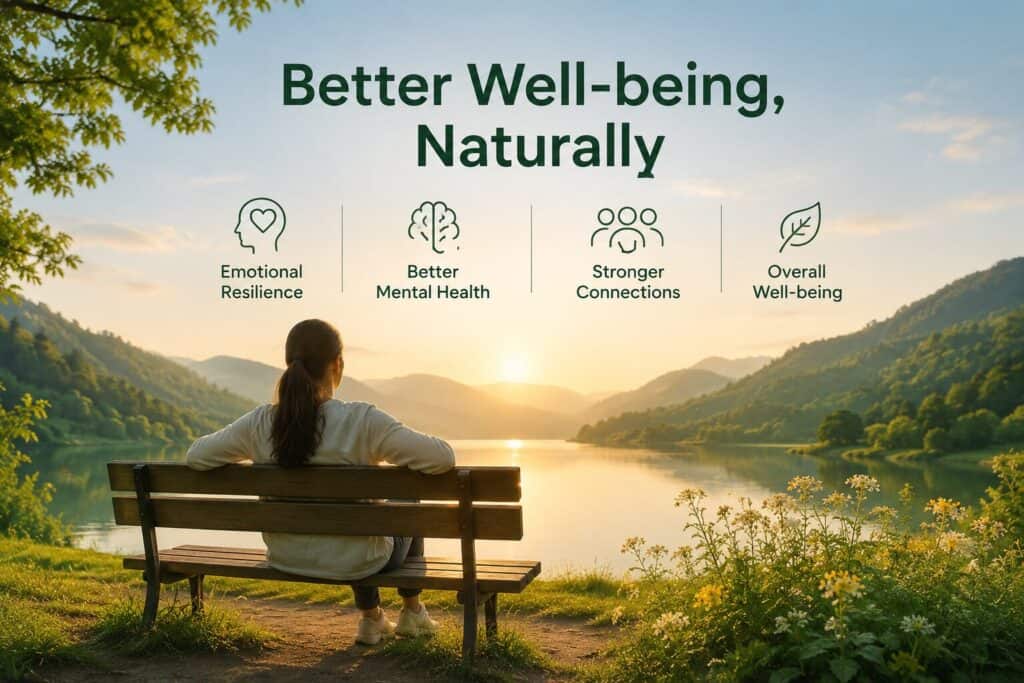
Modern cancer care increasingly recognizes the importance of quality of life, particularly emotional resilience, mental health, and social connections, influencing patients’ overall well-being. Nature is one of the most valuable complementary resources that can enhance supportive care alongside conventional medical treatment. It plays a meaningful role in helping many cancer patients navigate the emotional and psychological challenges of their illness.
While nature is not a substitute for medical treatment, it can be an accessible, low-cost, and patient-centered complement to comprehensive cancer care, contributing to improved quality of life, emotional resilience, and holistic recovery.


Great content! Keep up the good work!
Thanks for your encouragement! Your support motivates us to keep sharing reliable and engaging science news. If you’re interested in the latest research in biotechnology, health, AI, and environmental science, feel free to explore our other posts as well.