AI based CRISPER screening

AI-Powered CRISPR screening reveals new therapeutic targets for Ebola virus infection

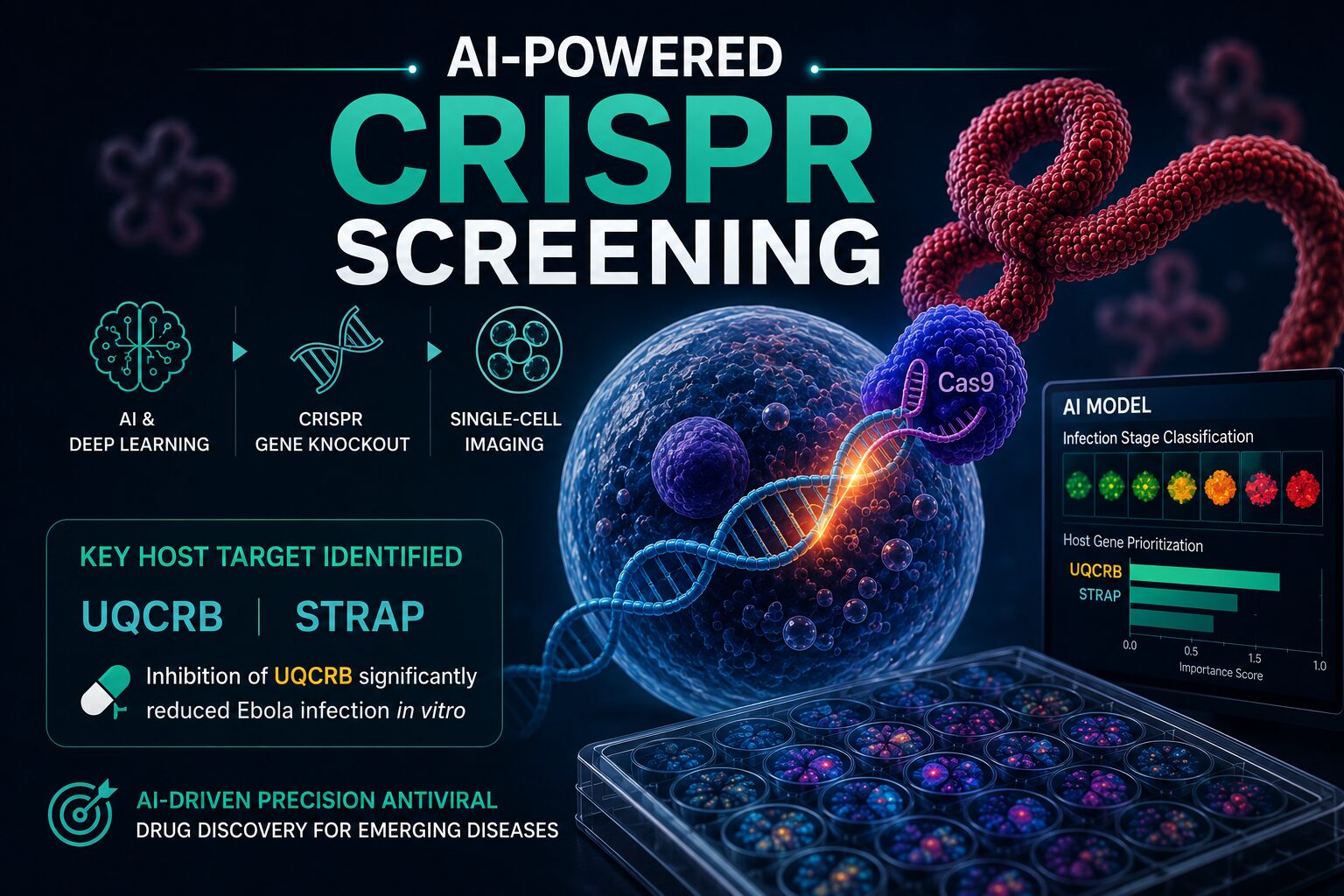
Deep learning models and CRISPR-based gene knockout techniques uncovered 998 host genes involved in Ebola virus replication. To identify potential therapeutic targets, researchers combined artificial intelligence (AI), image-based genome-wide CRISPR screening, and single-cell imaging technologies. AI-powered autoencoders and machine learning algorithms were used to classify different stages of viral infection and identify critical host factors, including UQCRB and STRAP. Notably, inhibition of UQCRB using a small-molecule compound significantly reduced Ebola infection in vitro, highlighting the promising potential of AI-driven precision antiviral drug discovery for emerging infectious diseases.

AI-Powered CRISPR screening reveals new therapeutic targets for Ebola virus infection Read More »
Bundibugyo Ebola virus vaccine

Bundibugyo Ebola virus vaccine shows life-saving potential post-exposure

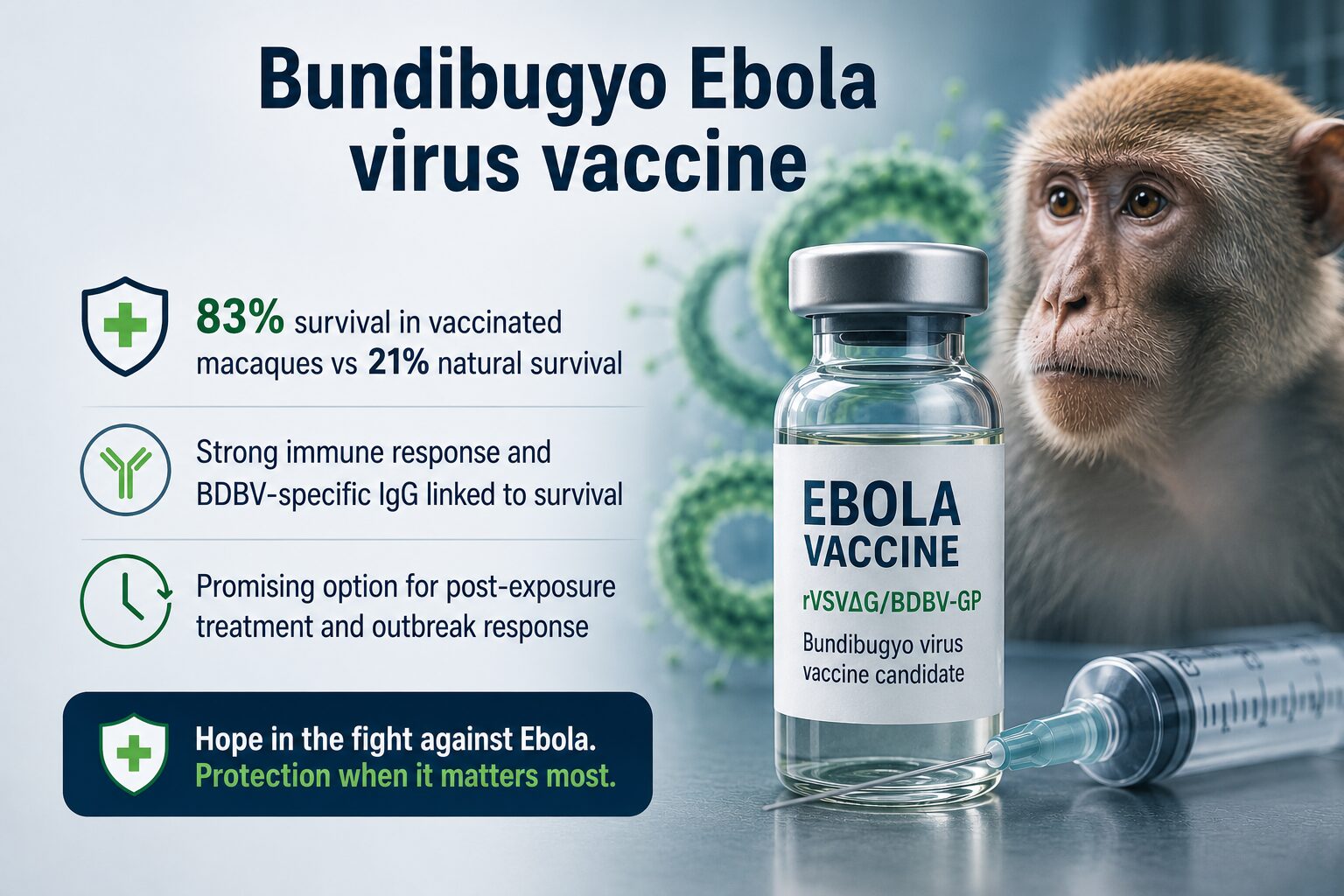
Filovirus vaccine, Ervebo candidate rVSVΔG/BDBV-GP, has shown to provide therapeutic protection against Bundibugyo strain of Ebola virus. About 83 % of the cynomolgus macaques infected with virulent strain of the Bundibugyo virus displayed survival benefit from the vaccine as compared to the natural survival rate of 21%. The study found that early immune activation, strong interferon responses, and development of BDBV-specific IgG antibodies were linked to survival, highlighting the vaccine’s potential for emergency outbreak response and post-exposure treatment.

Bundibugyo Ebola virus vaccine shows life-saving potential post-exposure Read More »

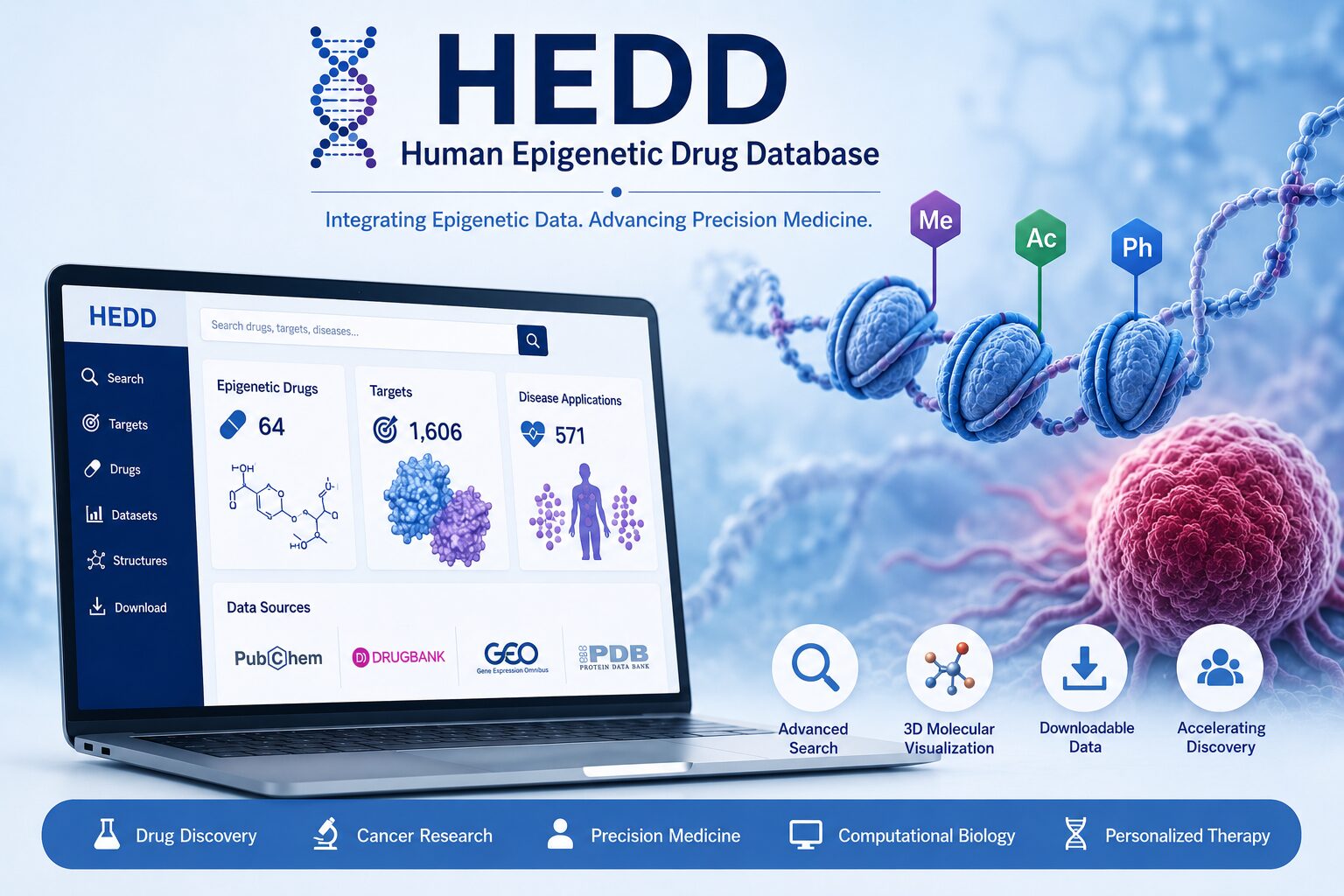
HEDD is an epigenetic drug database for drug discovery

HEDD Database: Advancing Epigenetic Drug Discovery, Cancer Research, and Precision Medicine Through Integrated Biomedical Data

The Human Epigenetic Drug Database (HEDD) is a comprehensive platform developed to organize and integrate epigenetic drug research data, including disease & drug information, clinical trials, molecular targets, high-throughput datasets, and drug-target structures. Data collected from major biomedical databases such as PubChem, DrugBank, GEO, and PDB has been used to create a centralized resource for scientists and clinicians. HEDD contains datasets on 64 epigenetic drugs, 1,606 targets, and 571 disease applications. The database supports flexible searches, 3D molecular visualization, and downloadable datasets, enabling advancements in drug discovery, cancer research, precision medicine, computational biology, and personalized therapeutic development.

HEDD Database: Advancing Epigenetic Drug Discovery, Cancer Research, and Precision Medicine Through Integrated Biomedical Data Read More »

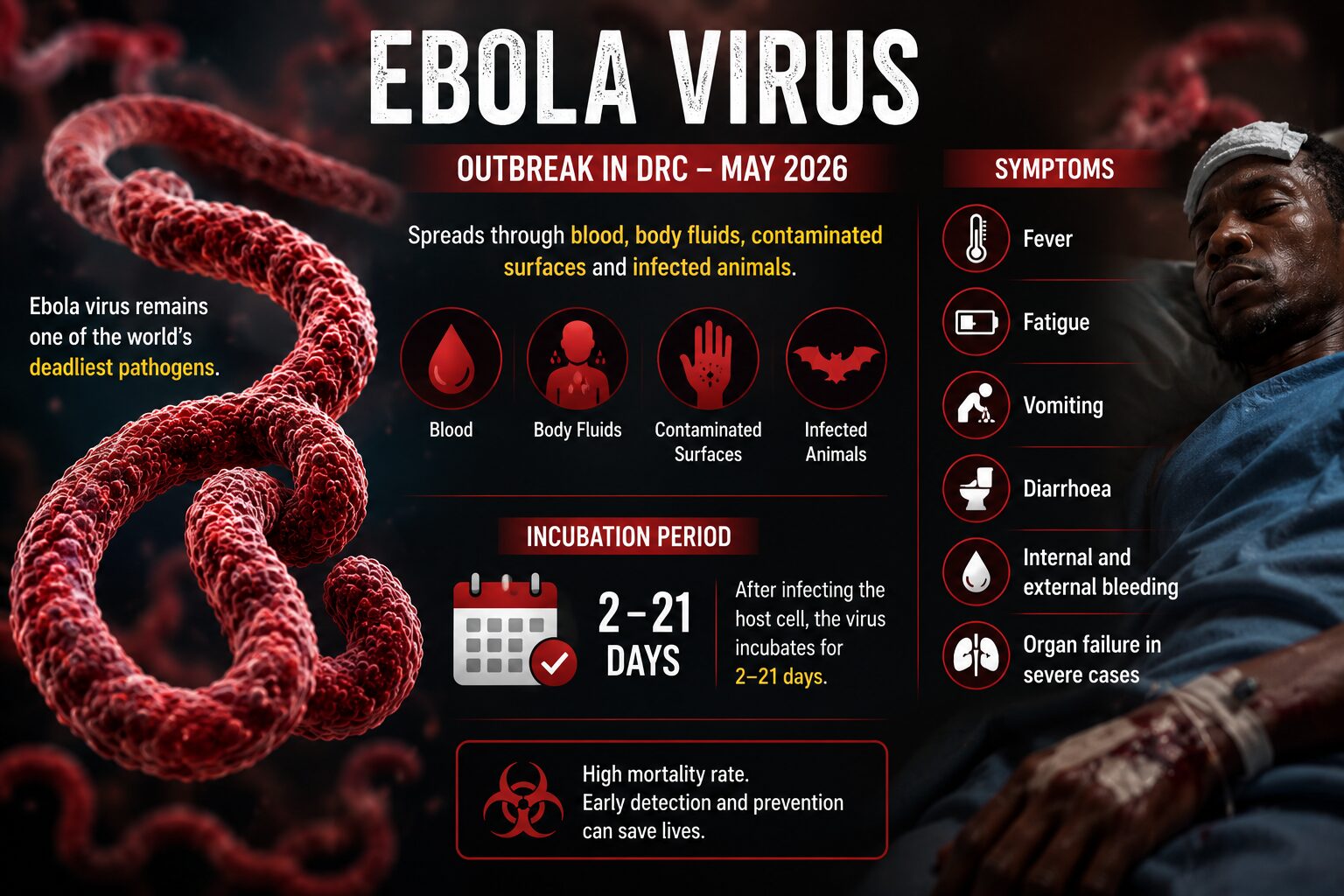
Ebola virus outbreak

Ebola Virus VP24 and VP35 Interactions Reveal New Antiviral Drug Targets

Scientists have discovered the Ebola virus proteins VP24 and VP35 that forms complex and coordinates the formation of nucleocapsid assembly through the polymerization of nucleoprotein (NP) along the viral RNA genome. VP35 functions as a chaperone and replication cofactor, stabilizing a newly identified outer third monomeric layer of NP, while VP24 helps stabilize and condense the nucleocapsid structure. The study also revealed that the intrinsically disordered region and C-terminal domain of the outer NP layer act as a flexible tether linking the nucleocapsid to the viral matrix. These conserved protein interfaces are promising targets for broad-spectrum antiviral therapies.

Ebola Virus VP24 and VP35 Interactions Reveal New Antiviral Drug Targets Read More »

chatgpt image mar 2, 2026, 10 22 54 am

Cryo-electron microscopy reveals the structure of Nipah virus replication machinery

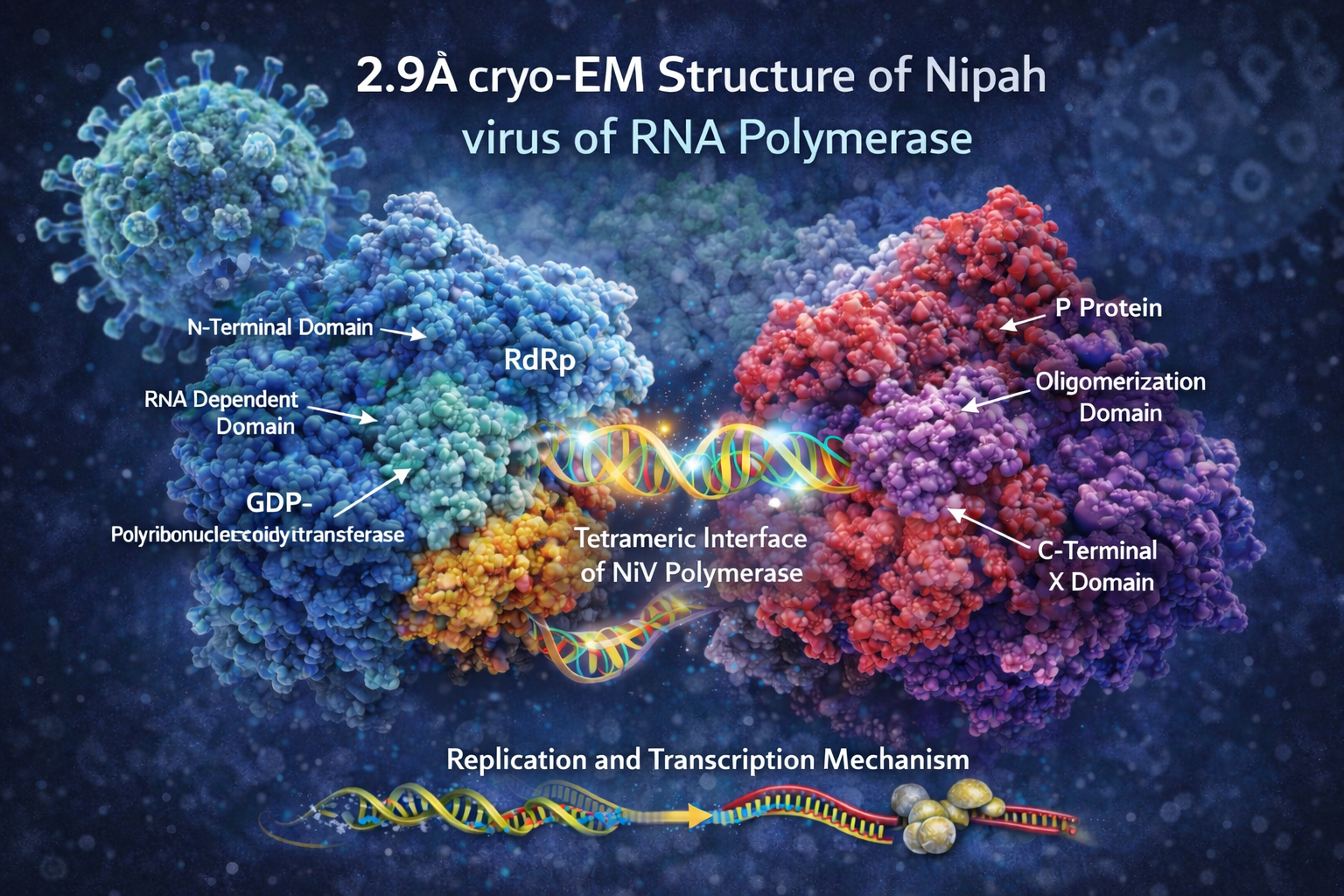
Study conducted by scientist at The Hormel Institute, University of Minnesota revealed the 2.9-Å cryo-electron microscopy structure of the Nipah virus L–P polymerase complexes. The L protein complex consists of conserved N-terminal domain, RNA-dependent RNA polymerase (RdRp), and GDP poly ribonucleotidyltransferase while the P protein complex consists of central oligomerization domain and the C-terminal X domain. These interact using the flexible antiparallel β-sheets domain of the P protomers and the fingers subdomain of RdRp forming a tetrameric organization crucial for replication and transcription mechanisms of the virus.

Cryo-electron microscopy reveals the structure of Nipah virus replication machinery Read More »

st 2

Welcome to Sci-Tech Bulletin

Sign up to receive awesome content in your inbox every week.

We don’t spam! Read our privacy policy for more info.

Scroll to Top