Near-Infrared II (NIR-II) imaging technology

NIR-II Nanoprobes are transforming cancer imaging and image-guided surgery

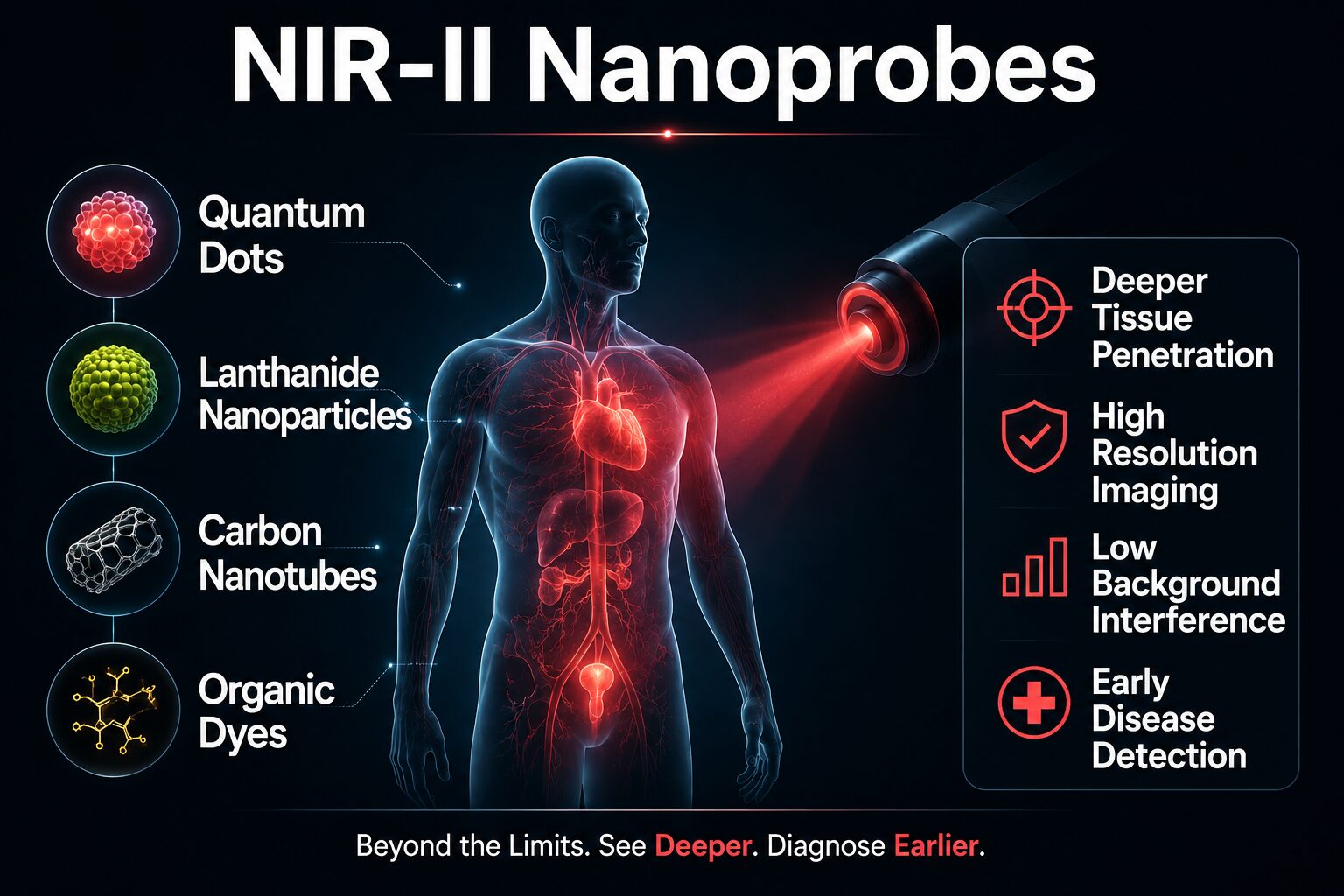
Near-Infrared II (NIR-II) imaging technology is transforming biomedical imaging and disease diagnosis through the use of advanced probes such as quantum dots, lanthanide nanoparticles, carbon nanotubes, and organic dyes. Operating within the 1000–1700 nm wavelength range, NIR-II imaging offers deeper tissue penetration, higher spatial resolution, reduced autofluorescence, and superior signal-to-noise ratios compared with conventional NIR-I imaging (700–900 nm). These advantages have enabled significant progress in cancer detection, image-guided surgery, stem cell tracking, inflammation imaging, targeted drug delivery, and tumor vascular monitoring, resulting in enhanced diagnostic accuracy, improved therapeutic precision, and greater potential for personalized medicine.

NIR-II Nanoprobes are transforming cancer imaging and image-guided surgery Read More »
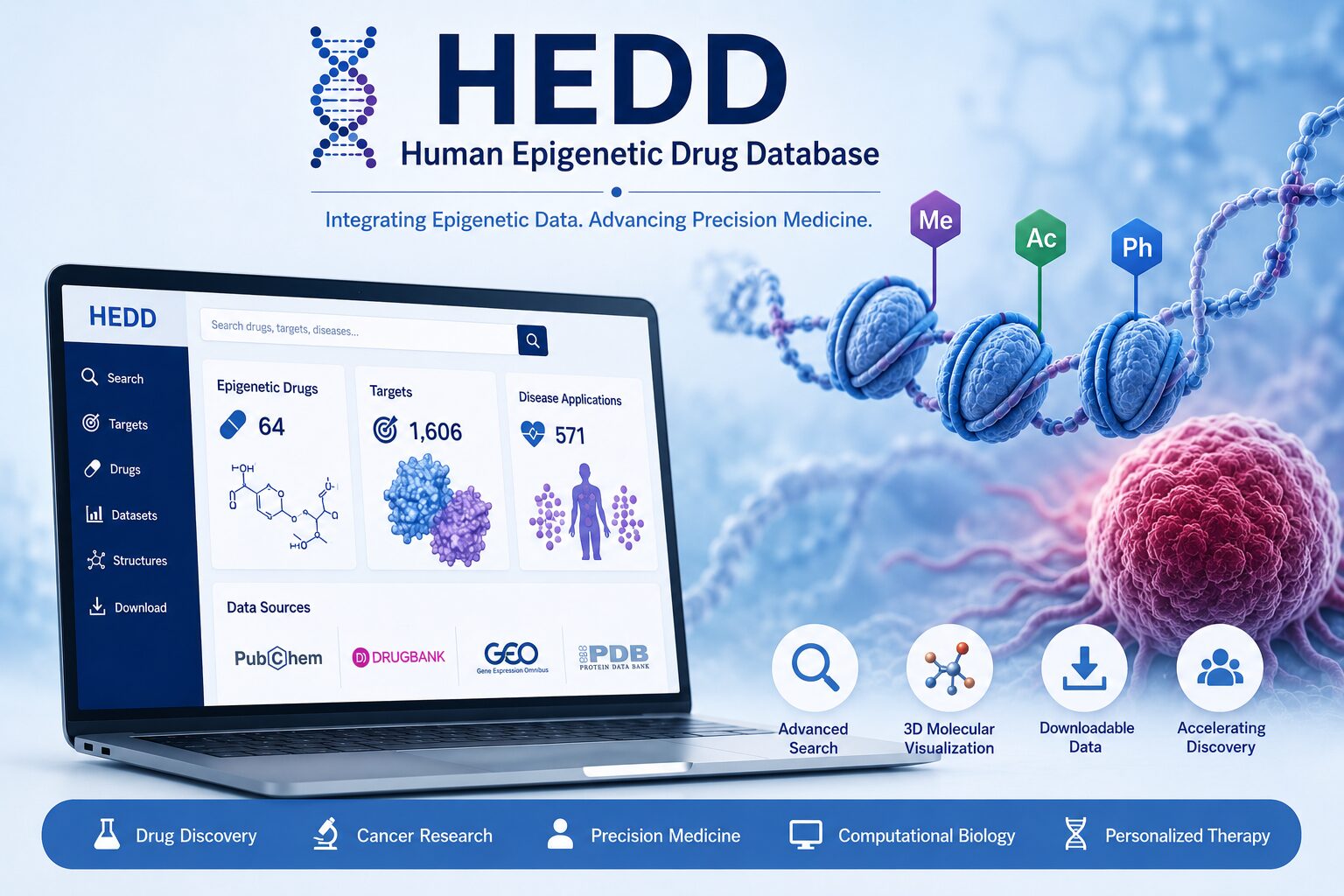
HEDD is an epigenetic drug database for drug discovery

HEDD Database: Advancing Epigenetic Drug Discovery, Cancer Research, and Precision Medicine Through Integrated Biomedical Data

The Human Epigenetic Drug Database (HEDD) is a comprehensive platform developed to organize and integrate epigenetic drug research data, including disease & drug information, clinical trials, molecular targets, high-throughput datasets, and drug-target structures. Data collected from major biomedical databases such as PubChem, DrugBank, GEO, and PDB has been used to create a centralized resource for scientists and clinicians. HEDD contains datasets on 64 epigenetic drugs, 1,606 targets, and 571 disease applications. The database supports flexible searches, 3D molecular visualization, and downloadable datasets, enabling advancements in drug discovery, cancer research, precision medicine, computational biology, and personalized therapeutic development.

HEDD Database: Advancing Epigenetic Drug Discovery, Cancer Research, and Precision Medicine Through Integrated Biomedical Data Read More »

Ivermectin as a promising precision medicine against cancer

Ivermectin as a promising precision medicine against ovarian cancer

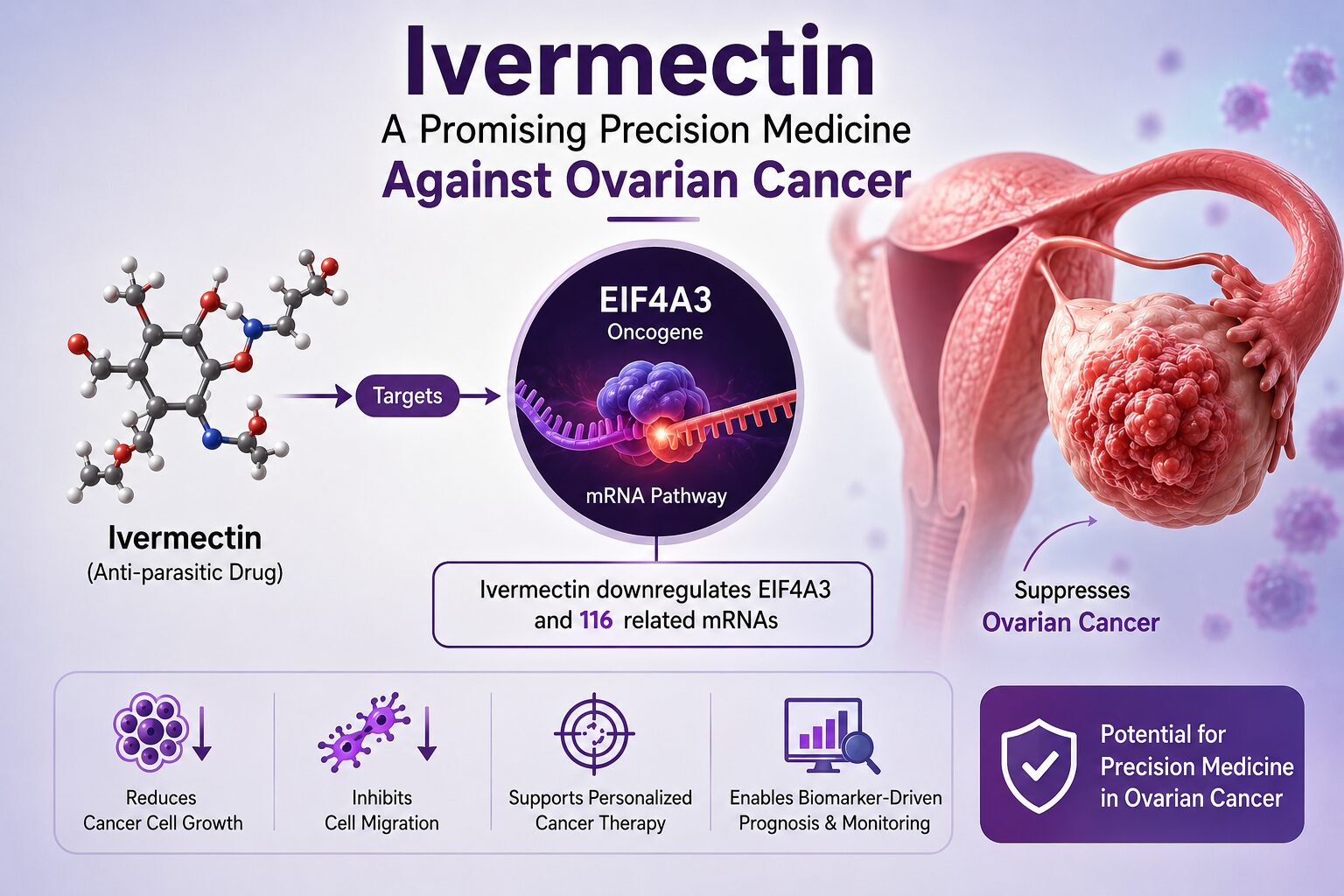
Ivermectin, widely used as an anti-parasitic drug, suppress ovarian cancer by targeting mRNA pathway of oncogene EIF4A3 which is responsible for the growth glioblastoma, hepatocellular carcinoma (liver cancer), pancreatic cancer, ovarian cancer, breast cancer, lung cancer, and bladder cancer. Ivermectin reduced cancer cell growth and migration while downregulating EIF4A3 and 116 related mRNAs. The findings suggest ivermectin has potential as a personalized ovarian cancer therapy and may support biomarker-driven prognosis and treatment monitoring.

Ivermectin as a promising precision medicine against ovarian cancer Read More »

chatgpt image mar 16, 2026, 10 43 56 am

Scientists Discover New Paths to Antiviral Therapies Against Nipah Virus

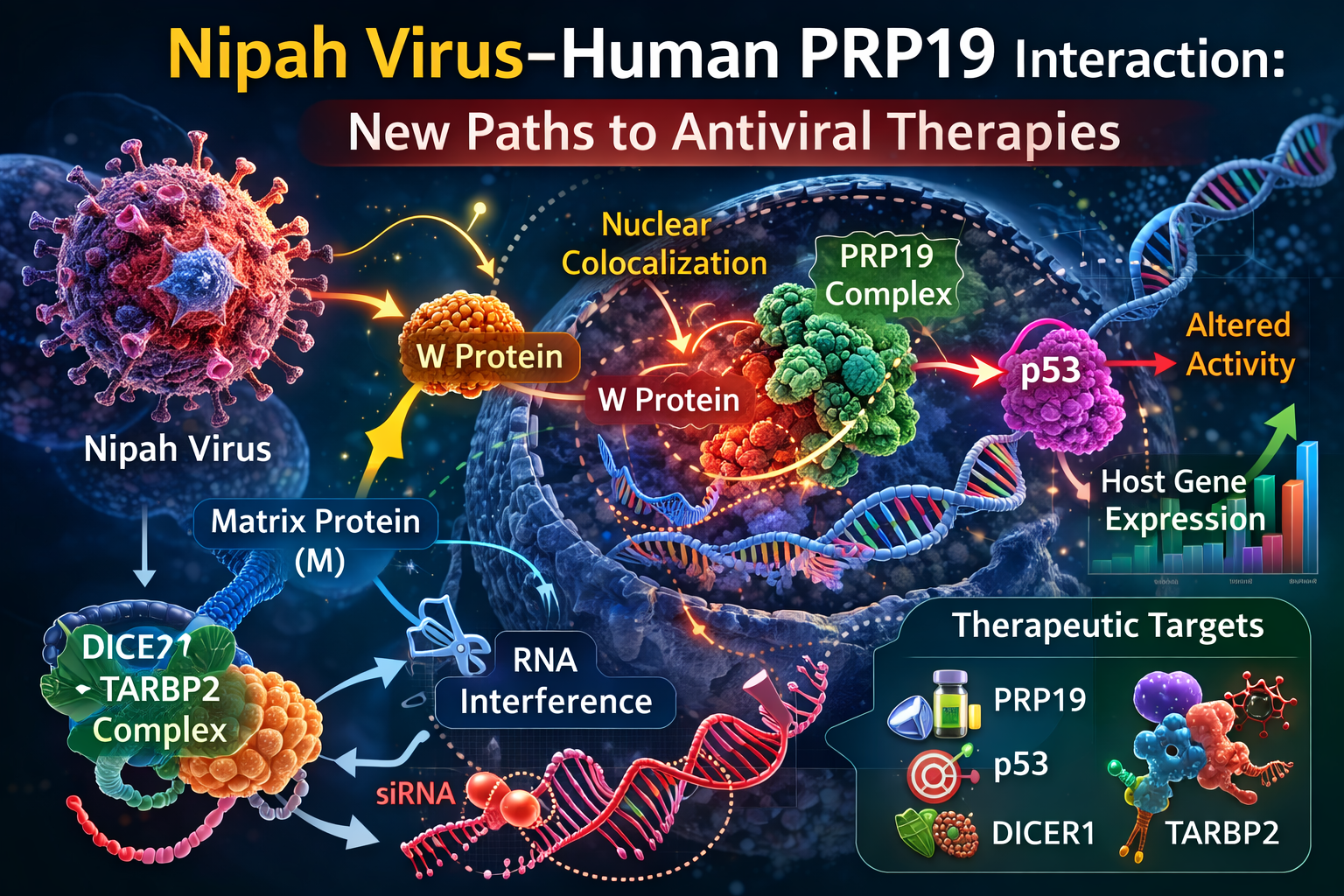
Scientists mapped the interaction network between Nipah virus and human proteins using affinity purification and mass spectrometry. The study highlights strong nuclear colocalization of viral W protein with PRP19 complex, altering p53 activity and host gene expression while its matrix protein M interacts with the DICER1–TARBP2 complex linked to RNA interference. 101 such human–Nipah virus protein interactions were studied that revealed how Nipah virus interferes with cellular pathways and highlight potential host targets and existing drugs that could guide the development of new antiviral therapies.

Scientists Discover New Paths to Antiviral Therapies Against Nipah Virus Read More »

chatgpt image feb 25, 2026, 07 46 10 pm

Nipah Virus–Pseudotyped Lentiviral Vectors: A Promising Strategy for Precision Gene Therapy

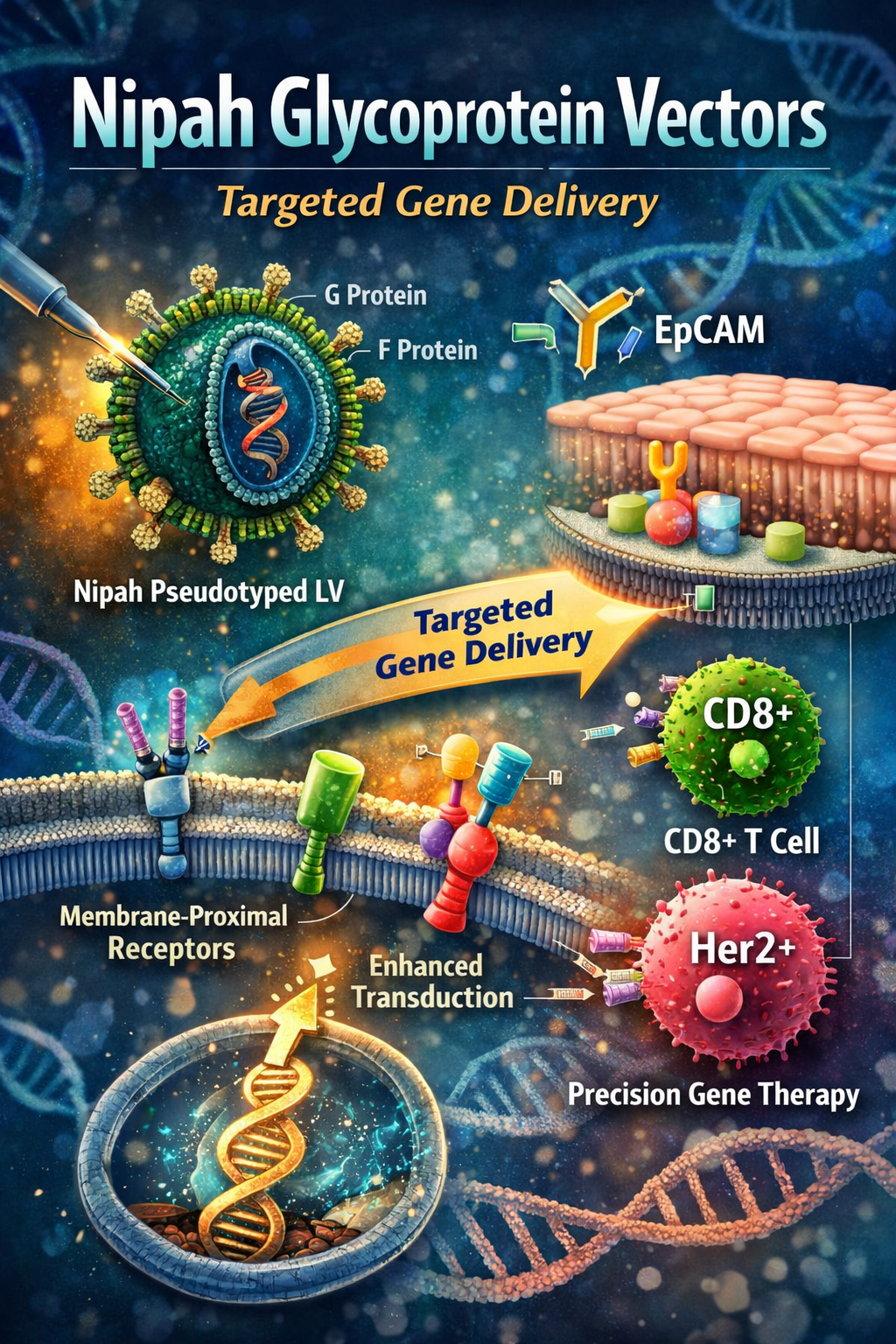
Engineered Nipah virus glycoproteins pseudotyped onto lentiviral vectors enable highly selective and efficient gene delivery. These vectors achieve up to 10–100-fold higher titers than measles-based systems, resist antibody neutralization, and preferentially target membrane-proximal receptors, significantly enhancing transduction efficiency and demonstrating strong potential for targeted gene therapy applications.

Nipah Virus–Pseudotyped Lentiviral Vectors: A Promising Strategy for Precision Gene Therapy Read More »

st 2

Welcome to Sci-Tech Bulletin

Sign up to receive awesome content in your inbox every week.

We don’t spam! Read our privacy policy for more info.

Scroll to Top