chatgpt image aug 6, 2026, 10 34 23 am

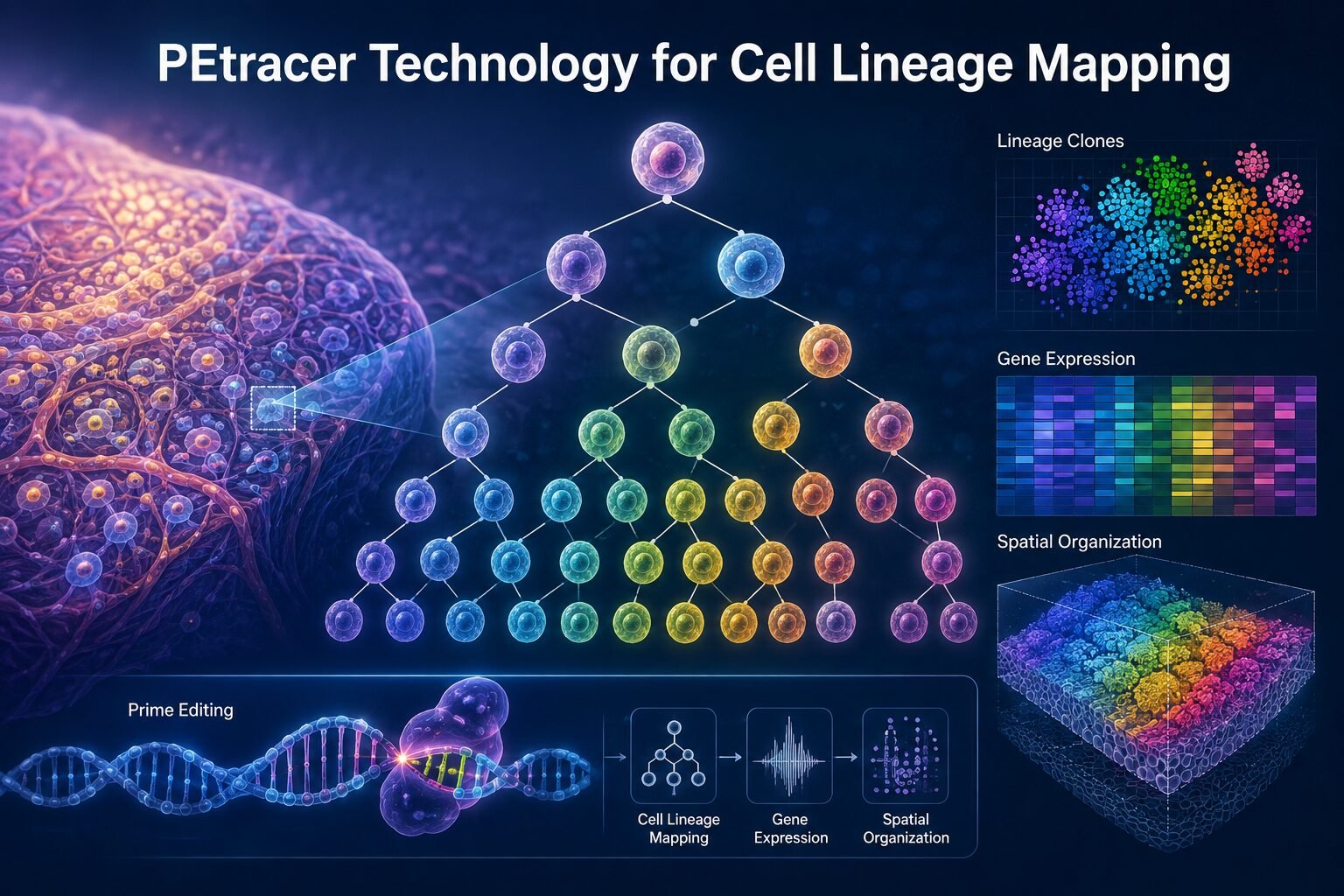
PEtracer Technology: Revolutionizing Cell Lineage Mapping in Cancer Research

PEtracer is a novel prime editing-based lineage tracing technology that enables simultaneous mapping of cell lineage, gene expression, and spatial organization within intact tissues. By integrating prime editing with single-cell RNA sequencing and MERFISH spatial transcriptomics, cellular phylogenies are accurately reconstructed and tracked tumor evolution in a mouse model of metastatic breast cancer. PEtracer achieves high accuracy in lineage reconstruction while preserving spatial context, making it a powerful tool for studying development, tissue regeneration, cancer progression, and other complex biological processes.

PEtracer Technology: Revolutionizing Cell Lineage Mapping in Cancer Research Read More »

Portable Oxford Nanopore MinION

Portable Oxford Nanopore MinION for Forensic SNP Genotyping and DNA identification

Scientists have developed a portable MinION sequencer by Oxford Nanopore Technologies’ that has a strong potential for forensic single nucleotide polymorphism (SNP) genotyping. The device can accurately genotype 51 of the 52 SNP markers tested, underscoring its promise for forensic DNA identification. This portable nanopore sequencing could become a valuable tool for forensic DNA profiling, provided SNP panels are optimized and additional validation studies establish its reliability for routine forensic use.

Portable Oxford Nanopore MinION for Forensic SNP Genotyping and DNA identification Read More »

chatgpt image jul 26, 2026, 06 57 06 pm

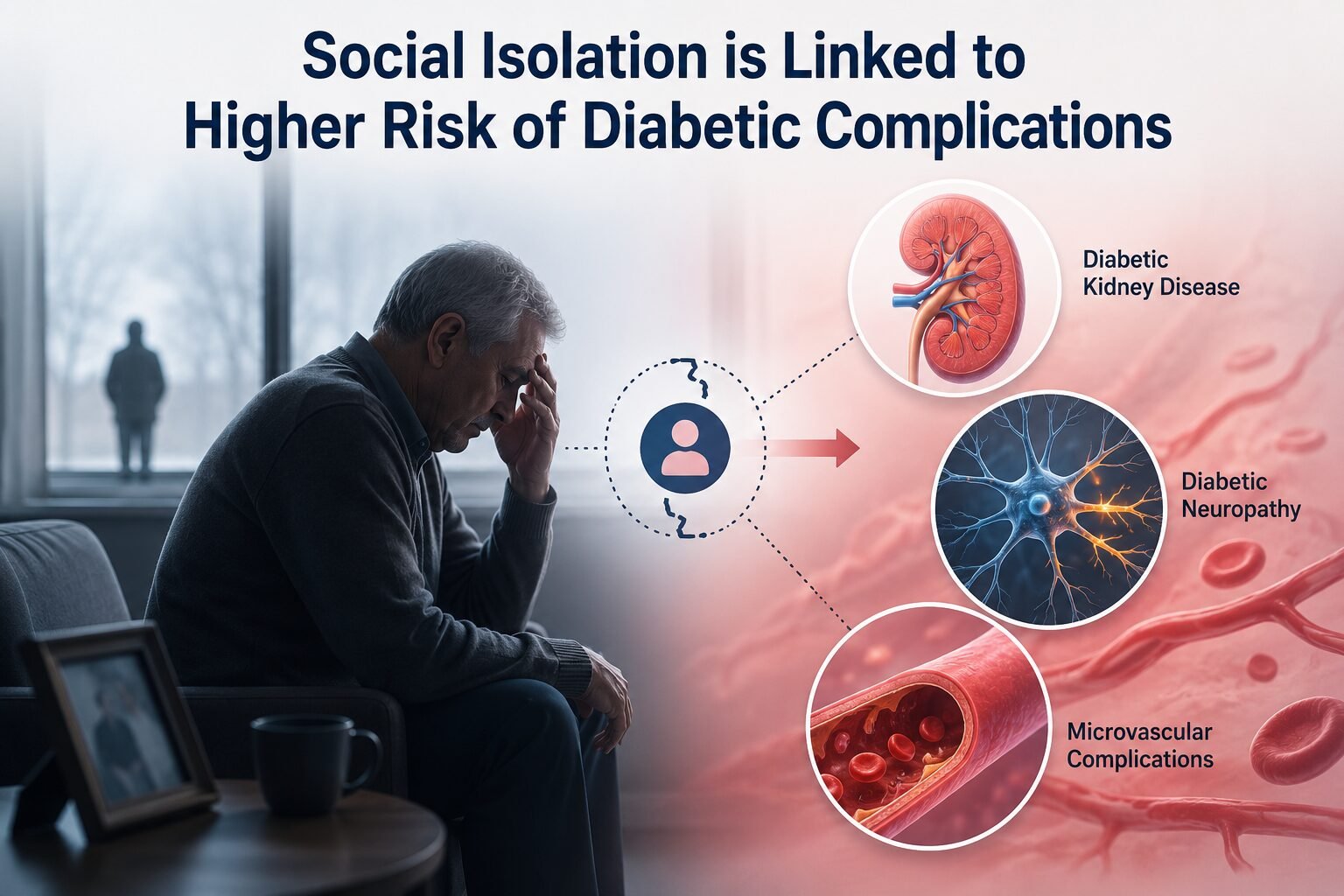
Social isolation is linked to higher risk of complications in patients with Type 2 Diabetes

A cohort study finds that social isolation and loneliness increase the risk of diabetic microvascular complications. It is found that socially isolated individuals have a higher risk of developing diabetic kidney disease, neuropathy, and overall microvascular complications, while loneliness is particularly associated with kidney disease. Importantly, these social factors are as influential as traditional risk factors like smoking, physical inactivity, and high blood pressure. The findings suggest that screening for and addressing social isolation and loneliness should become an important component of comprehensive diabetes care.

Social isolation is linked to higher risk of complications in patients with Type 2 Diabetes Read More »

chatgpt image jul 22, 2026, 09 34 46 am

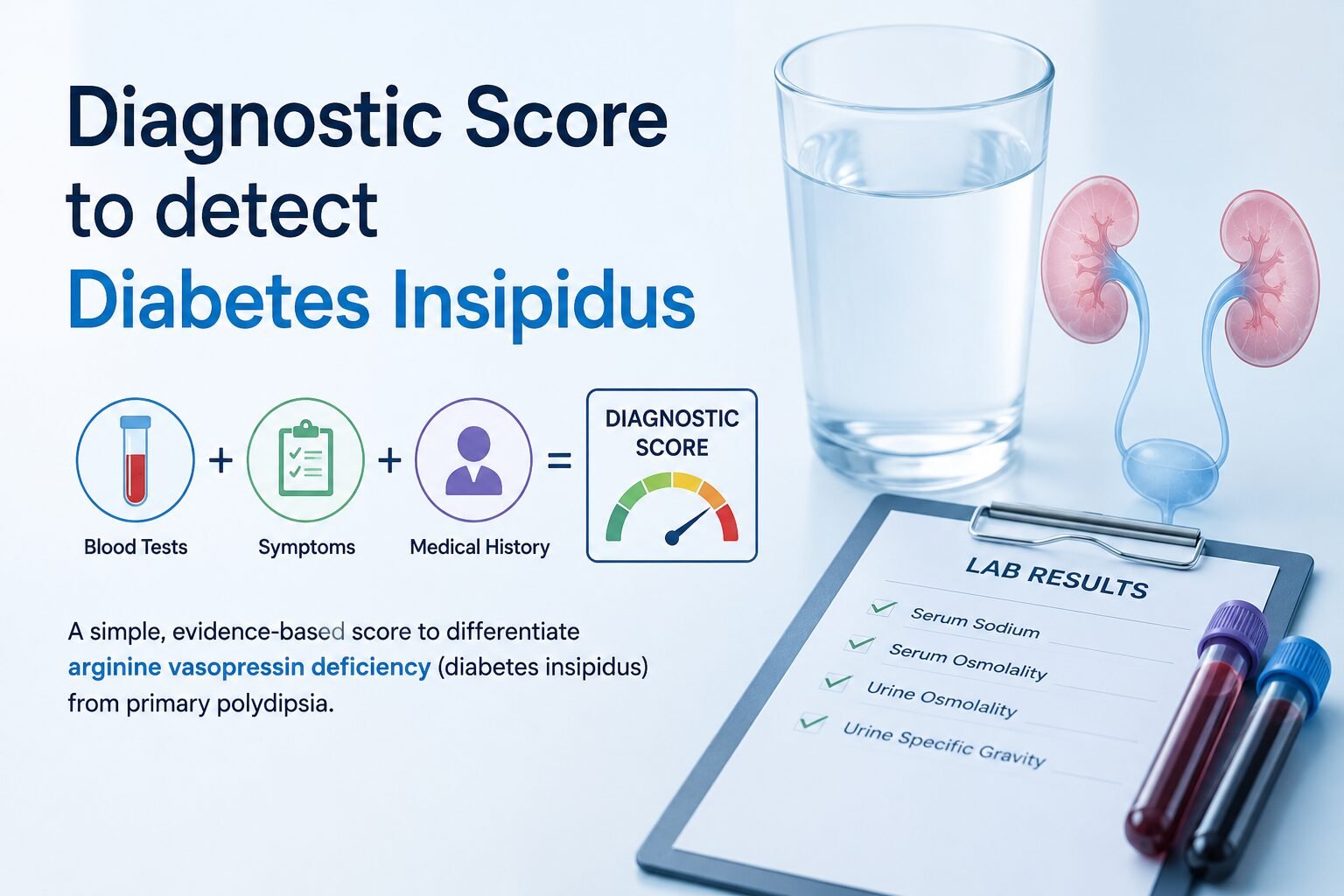
A new Diagnostic Score offers faster diagnosis of primary Polydipsia and AVP deficiency

A simple diagnostic score that helps doctors tell the difference between arginine vasopressin deficiency, a form of diabetes insipidus, and primary polydipsia (excessive water drinking), using routine blood tests, symptoms, and medical history. The tool correctly identified patients with 91% diagnostic accuracy and enabled diagnosis in about 75% of cases without invasive testing. It also reliably distinguished between the two conditions using clear score thresholds with 93% specificity. This practical, evidence-based approach could speed up diagnosis, reduce unnecessary specialist referrals and testing, improve patient comfort, and make better use of healthcare resources.

A new Diagnostic Score offers faster diagnosis of primary Polydipsia and AVP deficiency Read More »

chatgpt image jul 21, 2026, 12 18 20 pm

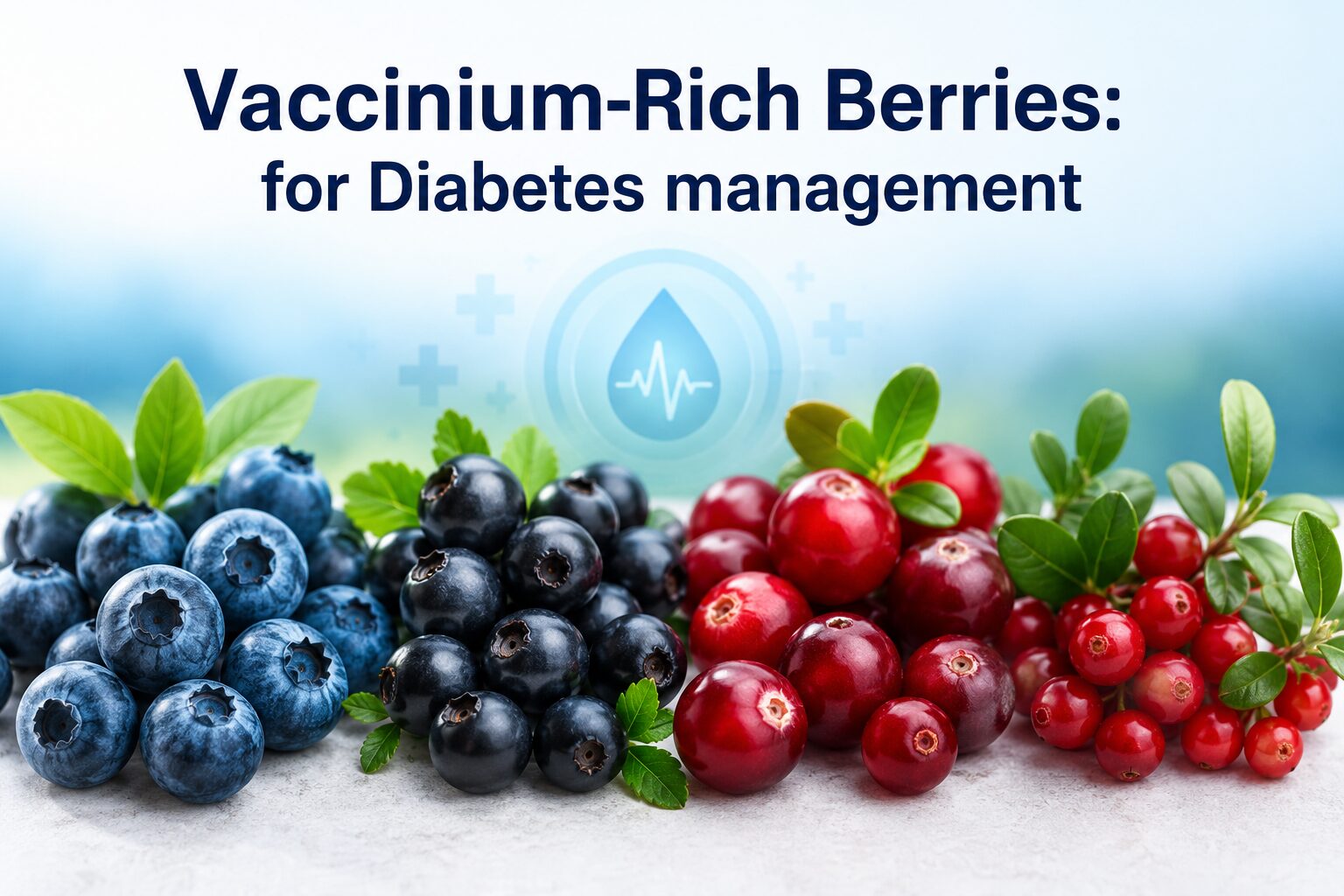
Vaccinium-Rich Berries May Support Diabetes and Kidney Health

Vaccinium berries, including blueberries, bilberries, cranberries, and lingonberries have been studied to be effective in managing diabetes, preventing diabetic kidney disease and diabetic retinopathy. Evidences from animal and human studies suggests that these berries, rich in anthocyanins and other polyphenols, may improve blood glucose control, reduce oxidative stress and inflammation, and protect kidney and retinal tissues. Vaccinium berries may thus serve as valuable dietary complements to conventional diabetes management strategies.

Vaccinium-Rich Berries May Support Diabetes and Kidney Health Read More »

chatgpt image jul 20, 2026, 10 49 47 am

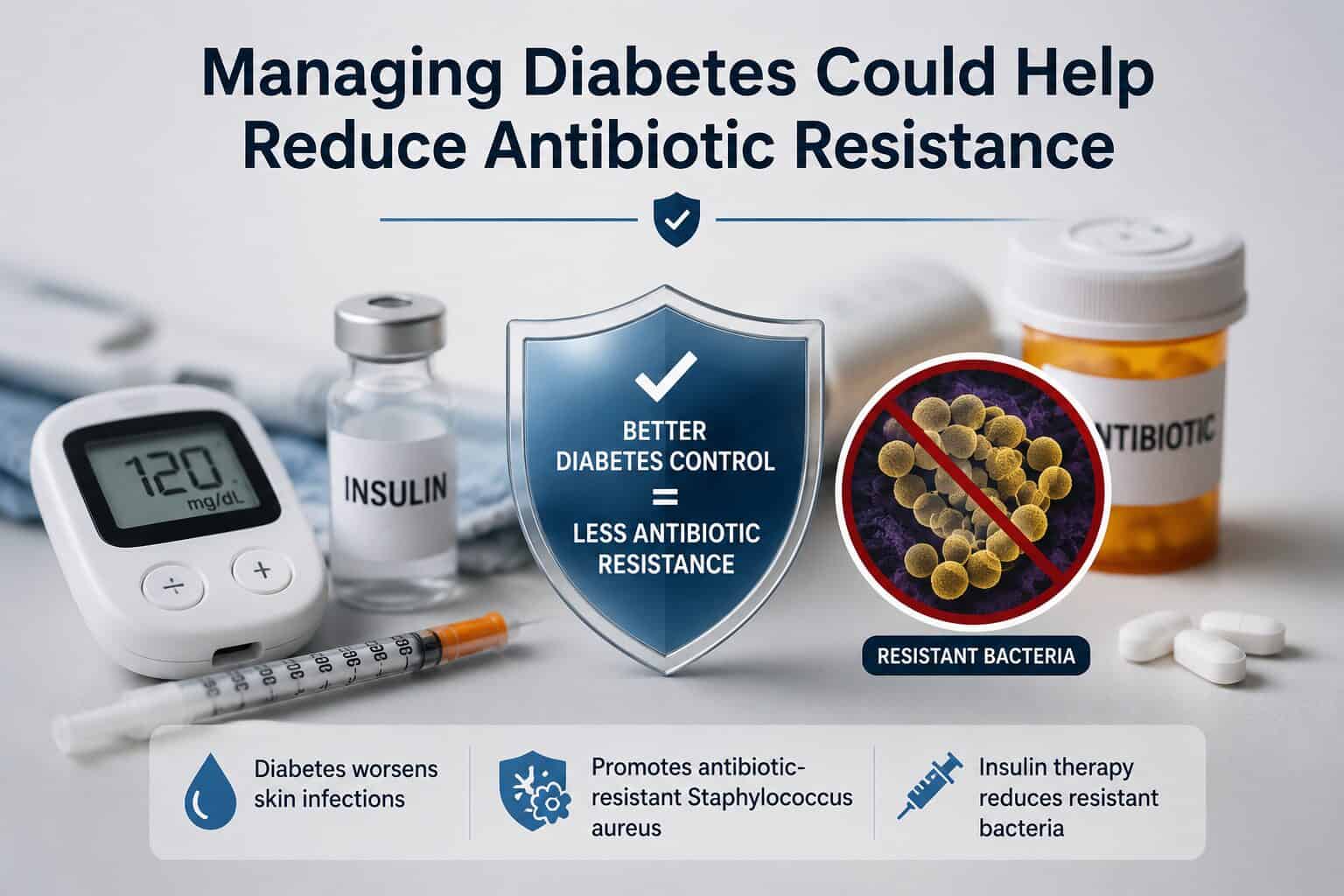
Managing Diabetes Could Help Reduce Antibiotic Resistance

Diabetes significantly accelerates the emergence of antibiotic-resistant Staphylococcus aureus during skin infections. Researchers found that hyperglycemia is the primary driver of microbial resistance. Elevated glucose enables resistant bacteria to rapidly expand under antibiotic pressure, while immune suppression plays a smaller role. The study also shows that vancomycin-resistant strains become more virulent in diabetic conditions and that insulin therapy markedly reduces the emergence of resistant bacteria. Thus, it becomes increasingly important for diabetic patients to control their glycemic index to combat antimicrobial resistance.

Managing Diabetes Could Help Reduce Antibiotic Resistance Read More »

Healing Power of Nature

The Healing Benefits of Nature for Cancer Patients’ Well-Being

Nature plays a meaningful role in the lives of people living with cancer by providing restorative physical and psychological spaces enriched with personal significance. The natural environments help patients reconnect with life, find respite from clinical settings, reflect on their experiences, gain comfort, reinterpret their illness, remain physically active, and appreciate everyday moments. These benefits contribute to improved emotional well-being, resilience, and overall quality of life. These findings support integrating nature-based interventions and healing environments into cancer care as valuable, evidence-informed complements to conventional medical treatment and supportive care.

The Healing Benefits of Nature for Cancer Patients’ Well-Being Read More »

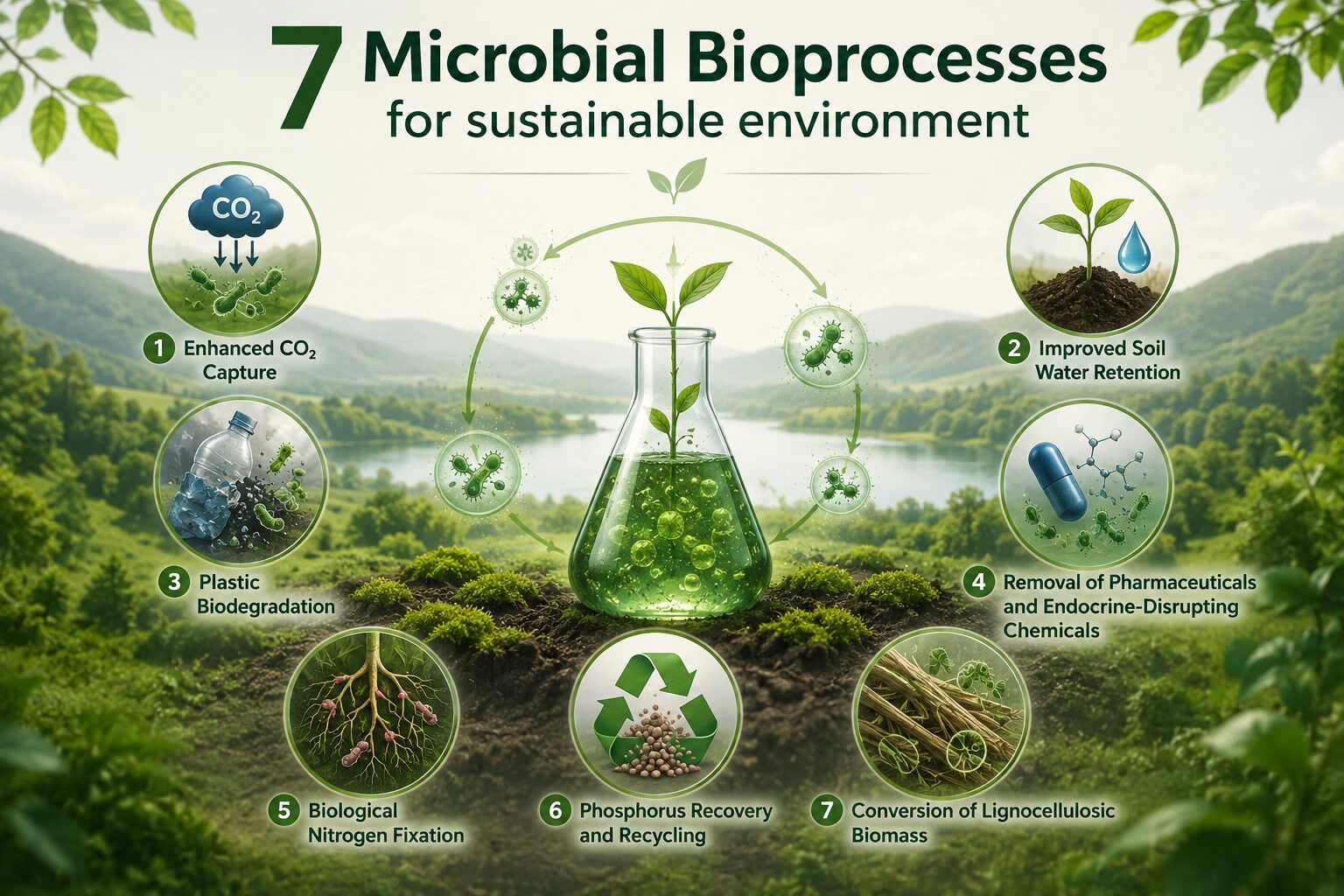
Seven microbial solutions revolutionizing environmental biotechnology

Seven microbial solutions for sustainable environment

Microbial bioprocesses offer promising solutions to global environmental challenges through innovative strategies such as enhanced carbon dioxide (CO₂) capture, improved soil water retention, plastic biodegradation, removal of pharmaceuticals and endocrine-disrupting chemicals, biological nitrogen fixation, phosphorus recovery and recycling, and efficient conversion of lignocellulosic biomass. These advances demonstrate the practical potential of engineered microorganisms for sustainable development. Technological advancements in microbial biotechnology can support climate action, resource conservation, pollution control, sustainable agriculture, and the transition to a resilient, circular bioeconomy with tangible environmental and societal benefits.

Seven microbial solutions for sustainable environment Read More »

chatgpt image jul 15, 2026, 12 33 51 pm

Artificial Intelligence Enhances Breast Cancer Diagnosis Through Deep Learning

Deep learning and convolutional neural networks (CNNs) are transforming breast cancer diagnosis by automating the analysis of histopathological images. Researchers developed a workflow that integrates image preprocessing, hematoxylin–eosin stain separation, K-means clustering, and CNN-based classification to enhance diagnostic accuracy. By filtering poor-quality images and focusing on tumor-rich regions, the model achieved strong classification performance, with 79.0% Top-1 accuracy and 94.5% Top-5 accuracy. Thus, potential use of AI is able to reduce diagnostic variability, support pathologists in clinical decision-making, streamline pathology workflows, and improve access to reliable breast cancer diagnosis, particularly in resource-limited healthcare settings.

Artificial Intelligence Enhances Breast Cancer Diagnosis Through Deep Learning Read More »

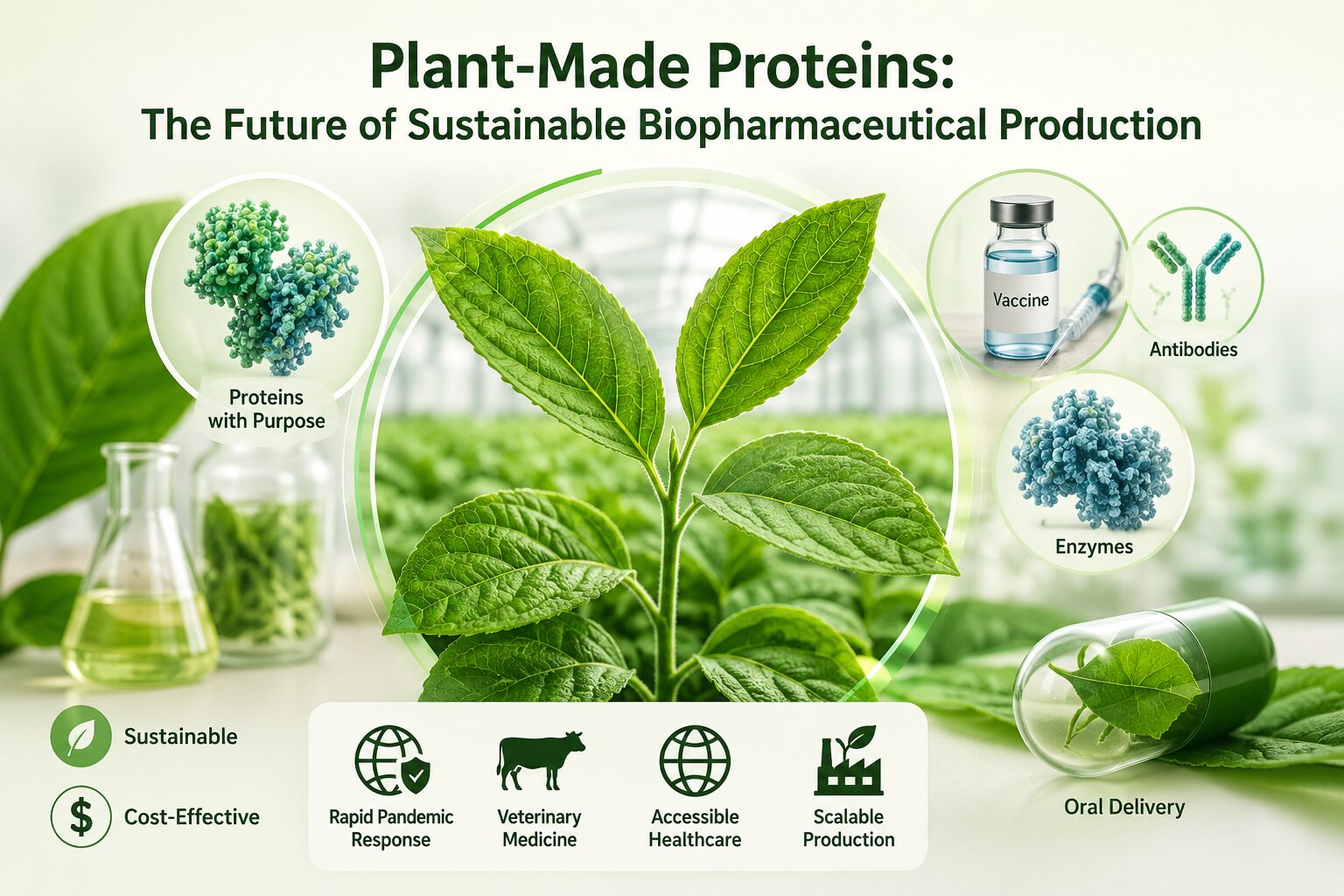
Plant-Made Proteins

Plant-Made Proteins: The Future of Sustainable Biopharmaceutical Production

Plant-made proteins are emerging as a transformative platform for producing vaccines, antibodies, enzymes, and other biopharmaceuticals, offering a sustainable, cost-effective, and scalable alternative to conventional protein production systems. Advances in plant-based expression systems, genetic engineering, process optimization, and downstream manufacturing have significantly improved protein yield, quality, and scalability. Commercial successes such as Elelyso® and the Ebola therapy ZMapp demonstrate the growing maturity of molecular farming. Plant-made proteins have promising applications in rapid pandemic response, oral drug delivery through bioencapsulation, veterinary medicine, and affordable pharmaceutical production for developing countries.

Plant-Made Proteins: The Future of Sustainable Biopharmaceutical Production Read More »

st 2

Welcome to Sci-Tech Bulletin

Discover mind-bending science breakthroughs in your inbox every week

This field is required.

We don’t spam! Read our privacy policy for more info.

Scroll to Top