Vaccinium-Rich Berries May Support Diabetes and Kidney Health
Growing cases of diabetes and associated complications
Diabetes is one of the fastest-growing chronic diseases worldwide, affecting millions of people and increasing the risk of severe complications such as diabetic kidney disease (DKD) and diabetic retinopathy (DR). While medications remain the cornerstone of treatment, researchers are increasingly investigating natural foods that may complement standard therapy. One promising group of fruits is the Vaccinium genus, which includes blueberries, bilberries, cranberries, and lingonberries.
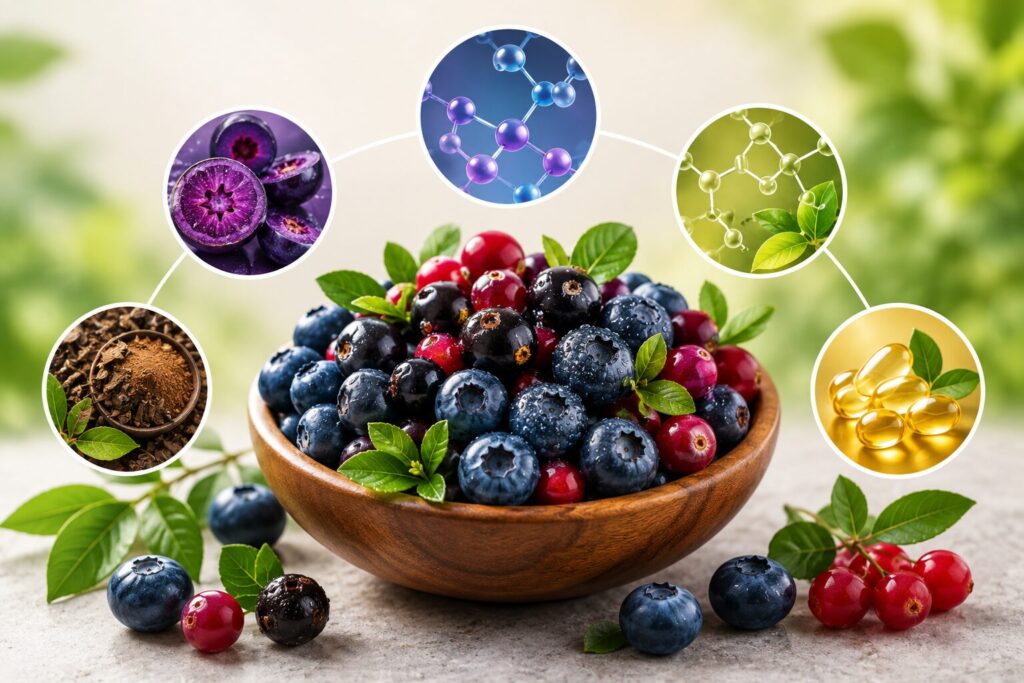
Vaccinium fruits are rich in bioactive compounds, particularly:
- Anthocyanins
- Flavonoids
- Phenolic acids
- Tannins
- Vitamins and antioxidants
These compounds possess strong antioxidant and anti-inflammatory properties, making them attractive candidates for reducing the cellular damage caused by chronic hyperglycemia.
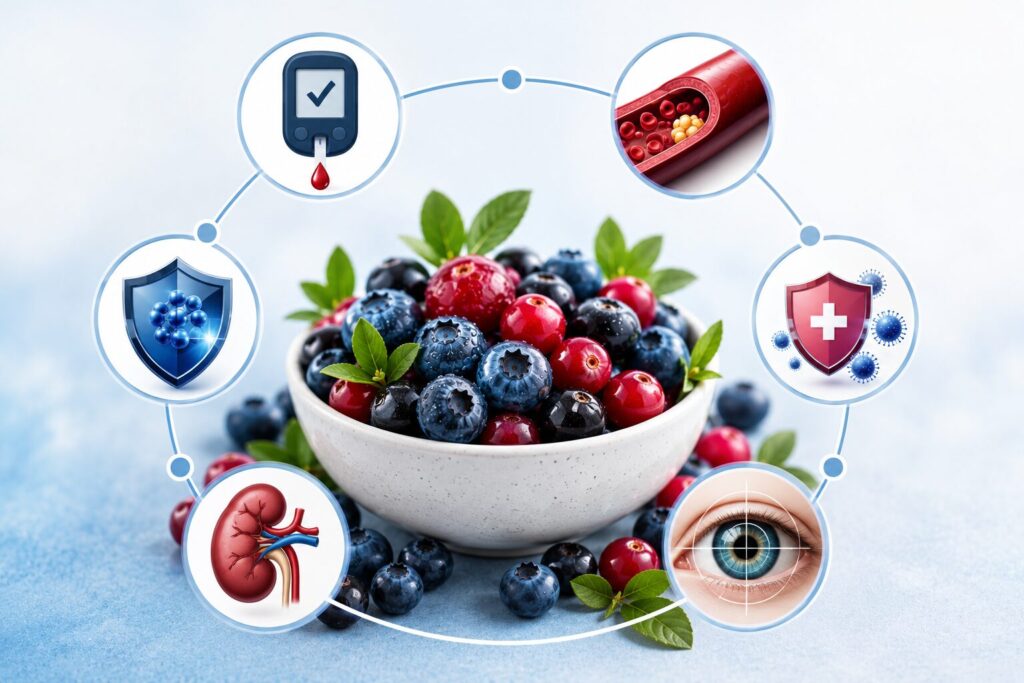
Benefits of Vaccinium Berries in Diabetic patients
- Improved Blood Glucose Regulation
Studies have demonstrated that Vaccinium extracts help to improve glucose metabolism. Berry extracts are known to:
- Lower fasting blood glucose
- Reduce post-meal blood sugar spikes
- Improve insulin sensitivity
- Enhance glucose uptake by muscle cells
- Reduce insulin resistance
One proposed mechanism is the inhibition of digestive enzymes such as α-amylase and α-glucosidase, slows carbohydrate digestion and reduces rapid glucose absorption. Berry polyphenols activate the AMP-activated protein kinase (AMPK) pathway, a key regulator of glucose metabolism and energy balance.
- Better Lipid Metabolism
Beyond blood sugar control, Vaccinium berries also improve lipid metabolism in several animal models. The benefits include:
- Reduced triglyceride levels
- Lower LDL (“bad”) cholesterol
- Reduced fat accumulation in the liver
- Improved hepatic lipid metabolism
Studies also demonstrate reductions in body weight gain and visceral fat in animals fed high-fat diets.
- Reduced Oxidative Stress
Researches have strongly demonstrate the antioxidant activity of Vaccinium fruits, known to:
- Neutralize reactive oxygen species (ROS)
- Increase antioxidant enzymes such as superoxide dismutase, catalase, and glutathione peroxidase
- Reduce oxidative damage within cells
- Anti-Inflammatory Effects
Chronic inflammation accelerates tissue damage in diabetes. The Vaccinium extracts can reduce inflammatory signaling by influencing pathways involving TNF-α, IL-1β, IL-6, NF-κB and NLRP3 inflammasome. Lower inflammation may help slow the progression of diabetic complications affecting small blood vessels.
- Potential Protection Against Diabetic Kidney Disease
Diabetic kidney disease remains one of the leading causes of kidney failure worldwide. Vaccinium compounds are known to:
- Reduce oxidative injury in kidney tissue
- Improve endothelial function
- Decrease fibrosis
- Reduce inflammatory responses
- Protect glomerular structures
- Potential Benefits for Diabetic Retinopathy
Diabetic retinopathy develops when prolonged high blood sugar damages the retinal blood vessels. Experimental evidences have demonstrated that Vaccinium compounds:
- Protect retinal cells from oxidative damage
- Reduce inflammation
- Improve retinal blood vessel health
- Limit abnormal blood vessel formation
How Vaccinium-berries can be consumed?
- Incorporating Berries into a Diabetes-Friendly Diet
Regular consumption of blueberries, bilberries, cranberries, or lingonberries may help increase dietary intake of natural antioxidants and polyphenols that support metabolic health.
- Supporting Existing Diabetes Treatment
Vaccinium products may serve as complementary nutritional interventions alongside lifestyle modification and standard medical care.
- Reducing Long-Term Complication Risk
By addressing oxidative stress and inflammation, these berries may contribute to protecting organs commonly affected by diabetes, particularly the kidneys and eyes.
- Guiding Future Functional Food Development
Berry-based nutraceuticals, standardized extracts, and functional foods design may be improved to enhance metabolic health.