Myo-Inositol and Folic Acid: A Safe and Effective Treatment for PCOS-Related Infertility
What is the prevalence of PCOS?
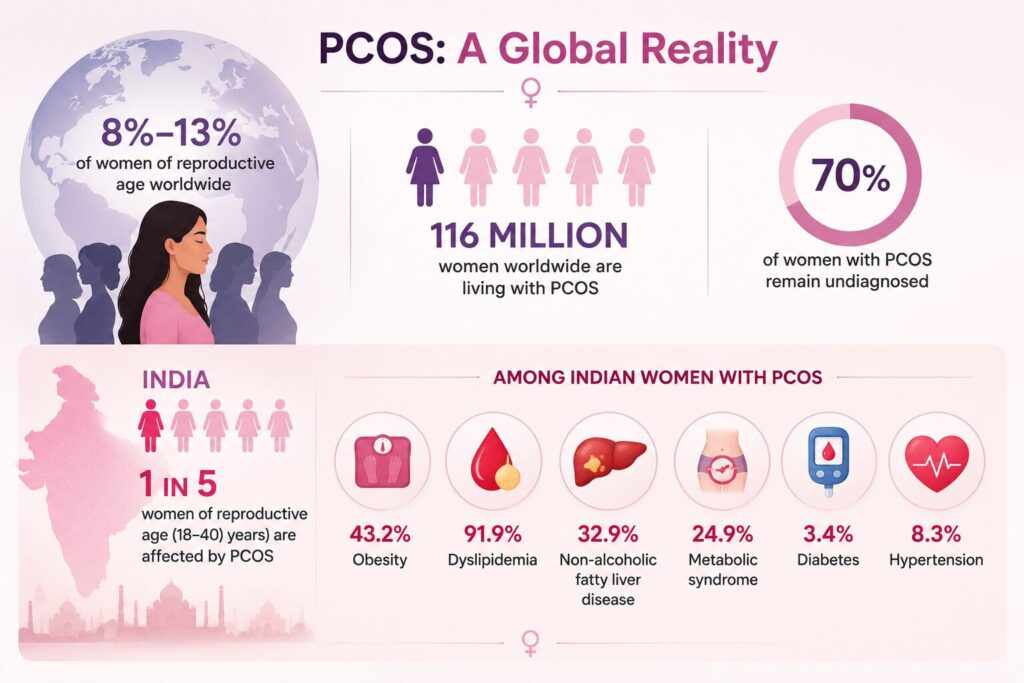
Polycystic Ovary Syndrome (PCOS) is among the major concerns among women in the present era. It affects an estimated 8% to 13% of women of reproductive age globally. According to World Health Organization, approximately 116 million women worldwide are living with PCOS while 70% of women with PCOS remain undiagnosed, especially in low- and middle-income countries. In India, nearly 1 in 5 women of reproductive age between 18-40 years are affected by PCOS.
Women with the condition commonly experience irregular menstrual cycles, elevated androgen levels, insulin resistance, acne, weight gain, and infertility. Among Indian women reports conveys that 43.2% had obesity, 91.9% had dyslipidemia, 32.9% had non-alcoholic fatty liver disease, 24.9% had metabolic syndrome, 3.4% had diabetes, and 8.3% had hypertension.
Challenges of PCOS treatment?
It has been found that insulin resistance is one of the core contributors to PCOS development, regardless of whether the patient is overweight or lean. When insulin levels remain elevated, the ovaries may produce excess androgens such as testosterone. This disrupts normal ovulation and makes conception difficult. Because insulin resistance is closely linked with PCOS, improving insulin signalling has remained the core treatment rational to restore hormonal balance and regular ovulation.
Conventionally, insulin-sensitizing drugs like metformin have shown benefits and improved ovulation in PCOS women, but gastrointestinal side effects such as nausea, diarrhea, and abdominal discomfort frequently reduce patient adherence to medication. This limitation has encouraged researchers to investigate safer alternatives, leading to growing interest in myo-inositol. An observational study conducted at the Institute for Medical Research, Germany explored the effects of myo-inositol combined with folic acid as a safer and equally effective alternative for infertile women with PCOS.
Key benefits of Myo-Inositol and Folic Acid treatment
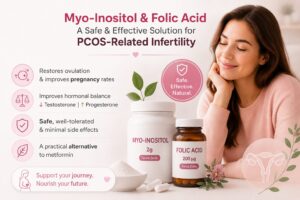
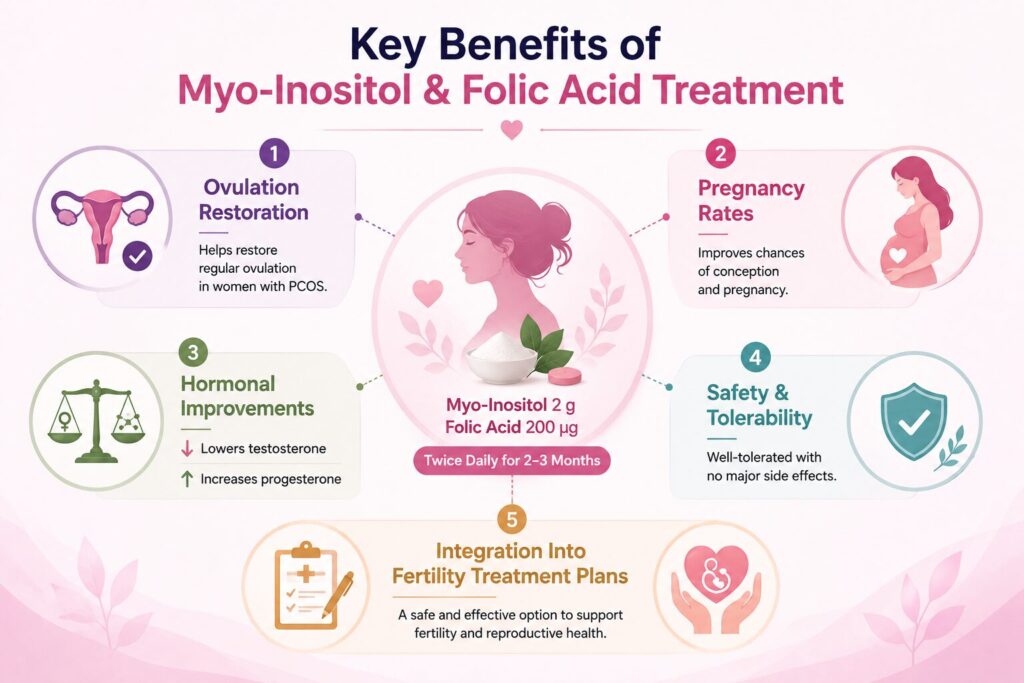
When women with PCOS received 2 × 2000 mg of myo-inositol and 2 × 200 micrograms of folic acid daily for 2–3 months, the study demonstrated the following beneficial outcomes:
- Ovulation Restoration
Myo-Inositol and Folic Acid treatment restores ovulatory cycles making them achieve successful pregnancies.
- Pregnancy Rates
The treatment helps in achieving the pregnancy rate of 15.1% among PCOS patients, which are even better than rates reported in studies using metformin therapy (12.3-14.4%).
- Hormonal Improvements
After 12 weeks of treatment, substantial hormonal changes are observed:
- Testosterone levels decrease from 96.6 ng/mL to 43.3 ng/mL
- Free testosterone levels drop from 1.2 ng/mL to 0.35 ng/mL
- Progesterone levels increase from 2.1 ng/mL to 12.3 ng/mL
The rise in progesterone levels strongly suggests restoration of ovulation, while reduced testosterone levels indicate improved hormonal regulation. Lower testosterone levels may help reduce common PCOS symptoms such as acne, seborrhea, and hirsutism. This means myo-inositol may support both reproductive and cosmetic symptom management simultaneously.
- Safety and Tolerability
Myo-Inositol and Folic Acid treatment provides an excellent safety profile in the patients who receive supplement combinations. This improved safety profile encourages better patient adherence, which is critical in fertility treatment programs. For women hesitant about pharmaceutical interventions, myo-inositol supplementation provides a more acceptable and sustainable treatment pathway.
- Integration Into Fertility Treatment Plans
The study also references previous research showing that myo-inositol can work effectively alongside ovulation induction therapies such as clomiphene citrate. This opens opportunities for integrated fertility protocols that combine lifestyle interventions, supplementation, and targeted reproductive therapies.
Practical Daily Diet Example for PCOS Support
Myo-inositol is a naturally occurring compound found in fruits, beans, nuts, and grains. It plays an important role in cellular signalling and insulin regulation. The study explains that myo-inositol acts as a second messenger in insulin pathways, helping cells improve glucose uptake and insulin sensitivity.
A PCOS-friendly diet naturally supporting myo-inositol and folate could include:
- Oatmeal with almonds and banana
- Lentil or chickpea salad
- Spinach and avocado smoothie
- Brown rice with vegetables
- Citrus fruits as snacks
For women with PCOS, combining a balanced diet, regular exercise, stress management, and medically supervised supplementation often provides the best outcomes. This regimen supports insulin sensitivity, hormonal balance, and fertility health, although supplementation is usually required to reach the therapeutic benefits and treatment of PCOS.
This is a promising approach for women with PCOS and healthcare providers where nutritional and metabolic therapies complement traditional fertility treatments. This represents hope for a safer and potentially more sustainable path toward conception and hormonal health.