
Metabolic Abnormalities and Omega-3 Deficiency Linked to Early Psychosis Risk in Young Adults
Early Warning Signs that may alert before Psychosis Onset
Mental health research is increasingly revealing a strong connection between physical health and psychiatric disorders. Several evidences suggests that metabolic abnormalities are associated with severe mental illness such as schizophrenia and related psychotic disorders. Studies till date, often focus on patients already diagnosed with schizophrenia and treated with antipsychotic drugs, making it difficult to determine whether metabolic issues were caused by the illness itself or medication side effects.
To substantiate these findings, a landmark study was carried out by the scientist of University of California and University of Oxford to investigate whether metabolic abnormalities, oxidative stress, and low Omega-3 fatty acid intake are already present in young people who are at high risk for psychosis, even before exposure to antipsychotic medications. The research determined whether these biological factors were associated with:
- Greater symptom severity
- Poor social and functional outcomes
- Increased cardiovascular risk
- Elevated oxidative stress markers
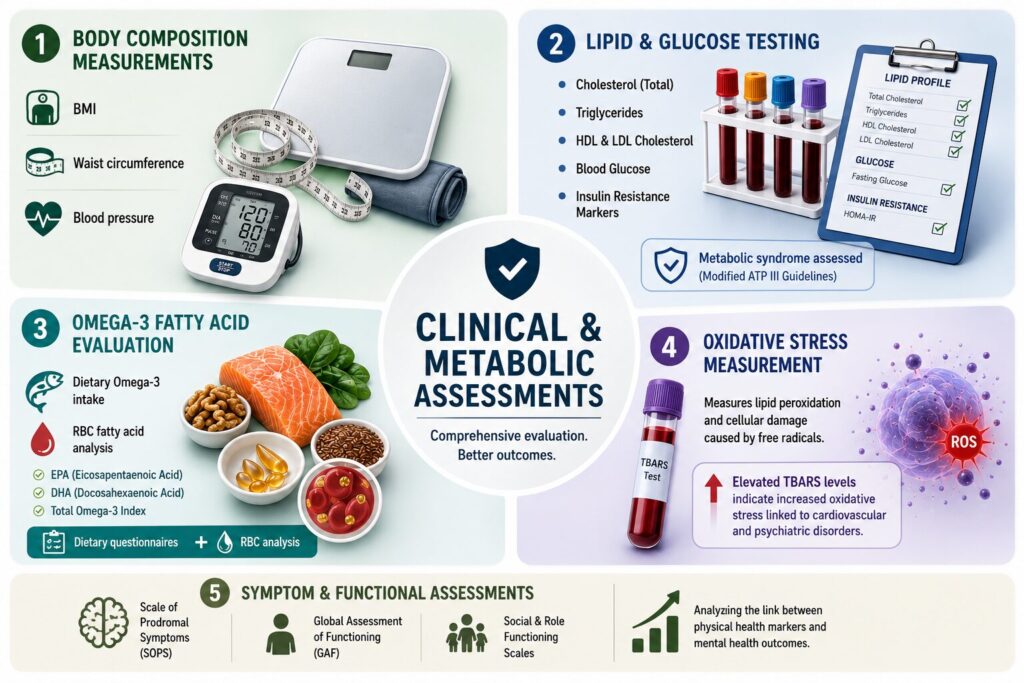
Clinical and Metabolic Assessments
The patients with high risk for psychosis were extensively evaluated for physical, laboratory, and psychological evaluations, including:
- Body Composition Measurements
- Body Mass Index (BMI)
- Waist circumference
- Blood pressure
- Lipid and Glucose Testing
Fasting blood samples were analyzed for:
- Cholesterol levels
- Triglycerides
- HDL and LDL cholesterol
- Blood glucose levels
- Insulin resistance markers
Presence of metabolic syndrome is assessed using modified Adult Treatment Panel III guidelines.
- Omega-3 Fatty Acid Evaluation
Careful examination of dietary Omega-3 intake and red blood cell (RBC) fatty acid composition was performed. Consumption of Omega-3-rich foods was confirmed by dietary questionnaires and laboratory analysis of RBC membrane fatty acid levels, that included:
- EPA (Eicosapentaenoic Acid)
- DHA (Docosahexaenoic Acid)
- Total Omega-3 Index
- Oxidative Stress Measurement
Oxidative stress was assessed using Thiobarbituric Acid Reactive Substances (TBARS), which measure lipid peroxidation and cellular damage caused by free radicals.
Elevated TBARS levels indicate increased oxidative stress, a factor increasingly linked to both cardiovascular disease and psychiatric disorders.
- Symptom and Functional Assessments
Researchers also evaluated psychiatric symptoms and daily functioning using:
- Scale of Prodromal Symptoms (SOPS)
- Global Assessment of Functioning (GAF)
- Social and role functioning scales
This allowed investigators to analyze correlations between physical health markers and mental health outcomes.
Metabolic Health and Omega-3 Deficiency related abnormalities
High Rates of Metabolic Abnormalities
The findings suggests that significant metabolic abnormalities may be already present before psychosis onset.
As found:
- 36% of participants were overweight or obese
- 6% had prehypertension or hypertension
- 7% showed evidence of dyslipidemia
- 6% demonstrated insulin resistance
- 2% met criteria for prediabetes or diabetes
Elevated Oxidative Stress
High levels of oxidative stress were determined among patients with high-risk for psychosis. About 90% of patients has elevated Thiobarbituric acid-reactive substances (TBARS) levels, indicating substantial lipid peroxidation and cellular oxidative damage.
Low Omega-3 Intake and Deficiency
Researchers found that low dietary Omega-3 intake is associated with:
- More severe psychiatric symptoms
- Poorer social functioning
- Reduced overall functioning
Importantly, RBC Omega-3 levels are inversely correlated with oxidative stress markers. This indicated that individuals with lower Omega-3 levels tended to experience greater oxidative damage.
Strong Relationship Between Metabolic Health and Mental Health
Significant correlations were observed between metabolic abnormalities and symptom severity, such as:
- Higher BMI correlated with worse psychiatric symptoms
- Elevated glucose levels were associated with more severe prodromal symptoms
- Larger waist circumference predicted poorer functioning
- Better functioning was linked to greater Omega-3 intake
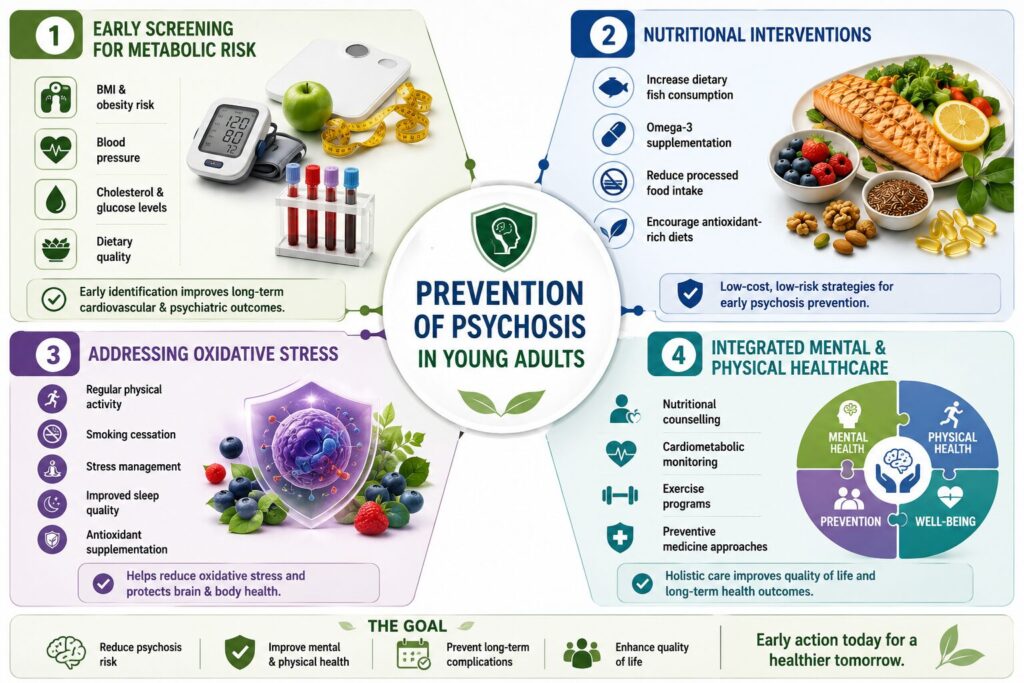
Prevention of psychosis in young adults
- Early Screening for Metabolic Risk
Proactive monitoring of metabolic risk factors include:
- BMI and obesity risk
- Blood pressure
- Cholesterol and glucose levels
- Dietary quality
Early identification may help reduce long-term cardiovascular complications and improve psychiatric outcomes.
- Nutritional Interventions
Some of the important Omega-3 nutritional intervention include:
- Increasing dietary fish consumption
- Omega-3 supplementation
- Reducing processed food intake
- Encouraging antioxidant-rich diets
As these interventions are relatively low-cost and low-risk, they may become valuable components of early psychosis prevention programs.
- Addressing Oxidative Stress
Lifestyle strategies that may reduce oxidative stress include:
- Regular physical activity
- Smoking cessation
- Stress management
- Improved sleep quality
- Antioxidant supplementation
- Integrated Mental and Physical Healthcare
Integrated healthcare models that treat psychiatric and physical health together rather than separately may provide pronounced benefits and overall well-being of the patients.
Mental health clinics may provide:
- Nutritional counselling
- Cardiometabolic monitoring
- Exercise programs
- Preventive medicine approaches
This holistic strategy could improve both quality of life and long-term health outcomes.
Future Insight
The study highlights several important findings:
- Physical and mental health are biologically interconnected
- Nutritional deficiencies may influence psychiatric symptoms
- Metabolic screening should begin early
- Preventive lifestyle interventions may improve long-term outcomes
These findings suggest that young individuals at high risk for psychosis may benefit from early screening even before the onset of clinical symptoms. Early identification could allow healthcare professionals to implement preventive interventions aimed at reducing psychosis risk through the monitoring and treatment of metabolic abnormalities, alongside Omega-3 fatty acid supplementation and nutritional support.
As mental healthcare continues to evolve, integrating nutritional science, cardiometabolic monitoring, oxidative stress management, and lifestyle-based interventions may become essential components of early psychosis prevention, treatment, and overall mental wellness.