chatgpt image jun 8, 2026, 10 50 50 am

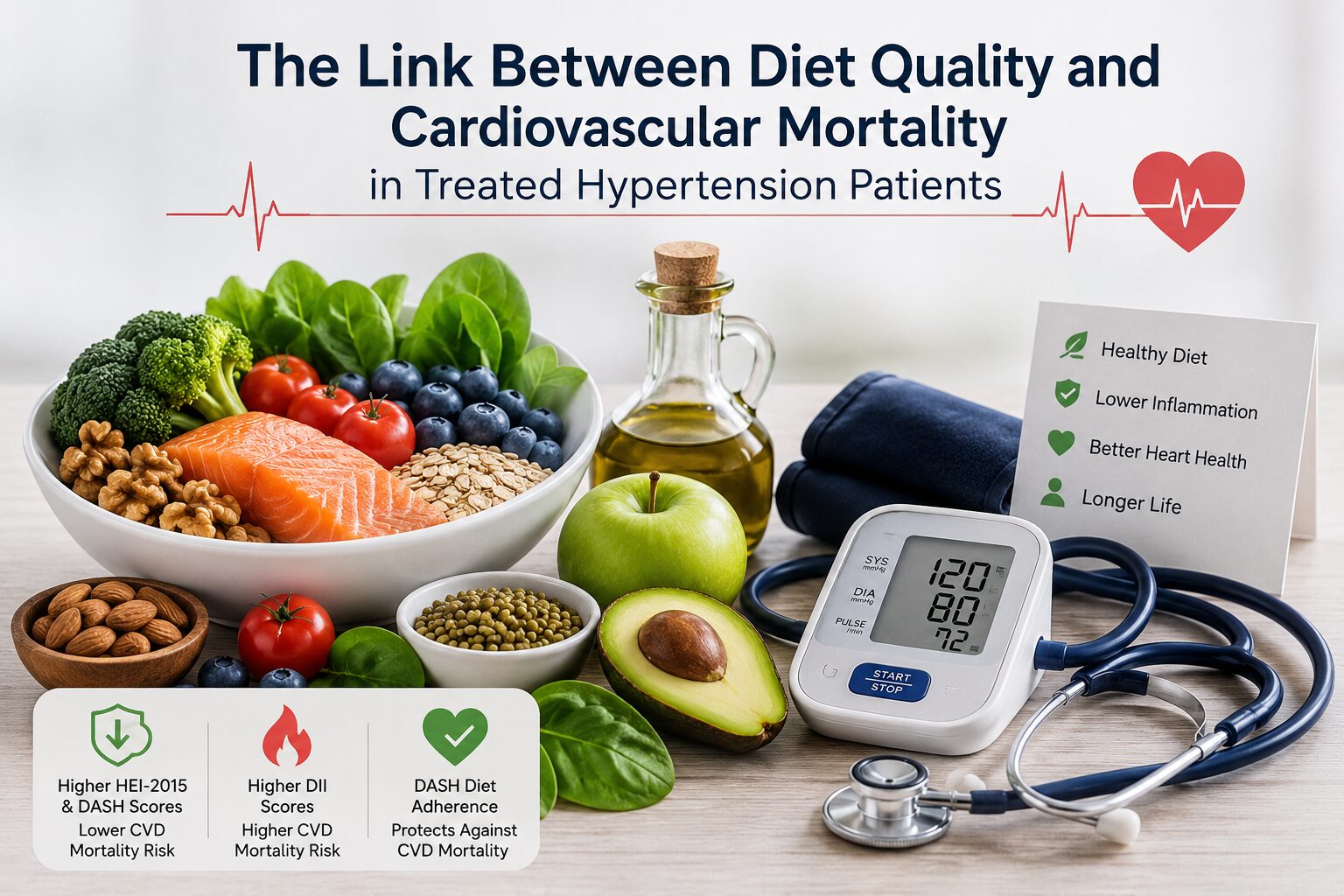
The Link Between Diet Quality and Cardiovascular Mortality in Treated Hypertension Patients

A 9-year evaluation of hypertensive patients receiving antihypertensive therapy, using Cox proportional hazards regression models, found that higher Healthy Eating Index-2015 (HEI-2015) and Dietary Approaches to Stop Hypertension (DASH) scores were associated with a lower risk of cardiovascular disease (CVD) mortality, whereas higher Dietary Inflammatory Index (DII) scores were linked to an increased risk. Diet quality was assessed using participants’ 24-hour dietary intake data. Notably, greater adherence to the DASH diet demonstrated protective trends against cardiovascular mortality. These findings highlight the critical role of healthy, anti-inflammatory dietary patterns in improving long-term cardiovascular outcomes among patients undergoing hypertension treatment.

The Link Between Diet Quality and Cardiovascular Mortality in Treated Hypertension Patients Read More »

Benefits of Psilocybin-Assisted Therapy

Psilocybin-Assisted Therapy Delivers Lasting Mental Health Benefits for Cancer Patients

A single 25 mg dose of psilocybin, combined with structured psychological support, may offer a promising alternative to traditional antidepressants for cancer patients with major depressive disorder. In a 24-month follow-up study, 53.6% of participants maintained significant reductions in depression, while 50% achieved sustained remission. Anxiety symptoms also improved, with 46.4% experiencing long-term relief. Notably, 25% of patients sustained depression improvement without additional antidepressants, psychedelic treatments, or depression-related hospitalizations. These findings highlight the potential of psilocybin-assisted therapy as a durable and transformative approach for managing cancer-related depression and anxiety.

Psilocybin-Assisted Therapy Delivers Lasting Mental Health Benefits for Cancer Patients Read More »

chatgpt image jun 2, 2026, 10 58 34 am

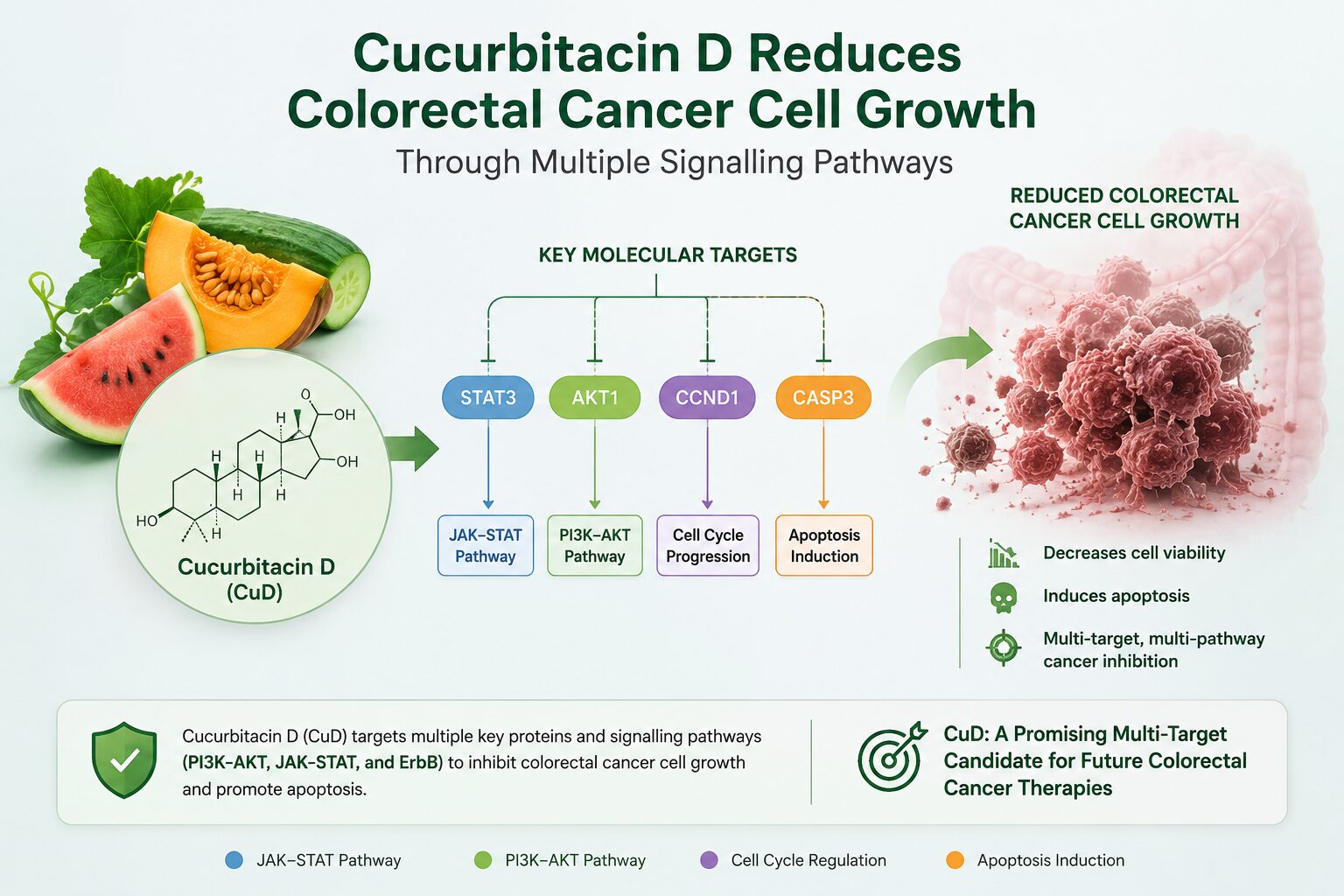
Cucurbitacin D reduces colorectal cancer cell growth through multiple signalling pathways

Cucurbitacin D (CuD), a triterpenoid, commonly found in cucumber, pumpkin, and watermelon have been found to significantly reduce cancer cell viability and induce apoptosis in multiple colorectal cancer cell line. Network analysis and computational study identified four key molecular targets, namely; STAT3, AKT1, CCND1, and CASP3, that strongly interact with CuD and hinders cancer growth and survival. The study also highlighted the involvement of the PI3K-AKT, JAK-STAT, and ErbB signaling pathways, suggesting CuD as a promising multi-target candidate for future colorectal cancer therapies.

Cucurbitacin D reduces colorectal cancer cell growth through multiple signalling pathways Read More »

Genistein and exercise reduce breast cancer progression

Soy Genistein and moderate exercise improve anti-cancer responses in breast cancer models

Genistein, a soy-derived isoflavone, when combined with moderate-intensity exercise help prevent breast cancer progression. In vivo studies confirms that exercise in combination with genistein significantly delayed tumor development, reduced tumor size, increased cancer cell apoptosis, and shifted macrophages from tumor-promoting (M2) to tumor-fighting (M1) types. The interventions also reduced inflammation and prevented cancer-related fat loss. These findings suggest that genistein and regular exercise may serve as complementary strategies for breast cancer prevention, management and overall metabolic health support.

Soy Genistein and moderate exercise improve anti-cancer responses in breast cancer models Read More »

Bundibugyo Ebola virus vaccine

Bundibugyo Ebola virus vaccine shows life-saving potential post-exposure

Filovirus vaccine, Ervebo candidate rVSVΔG/BDBV-GP, has shown to provide therapeutic protection against Bundibugyo strain of Ebola virus. About 83 % of the cynomolgus macaques infected with virulent strain of the Bundibugyo virus displayed survival benefit from the vaccine as compared to the natural survival rate of 21%. The study found that early immune activation, strong interferon responses, and development of BDBV-specific IgG antibodies were linked to survival, highlighting the vaccine’s potential for emergency outbreak response and post-exposure treatment.

Bundibugyo Ebola virus vaccine shows life-saving potential post-exposure Read More »

Ebola Antibody

New Low-Dose Ebola Monoclonal Antibody Offers Hope for Future Broad-Spectrum Filovirus Therapies

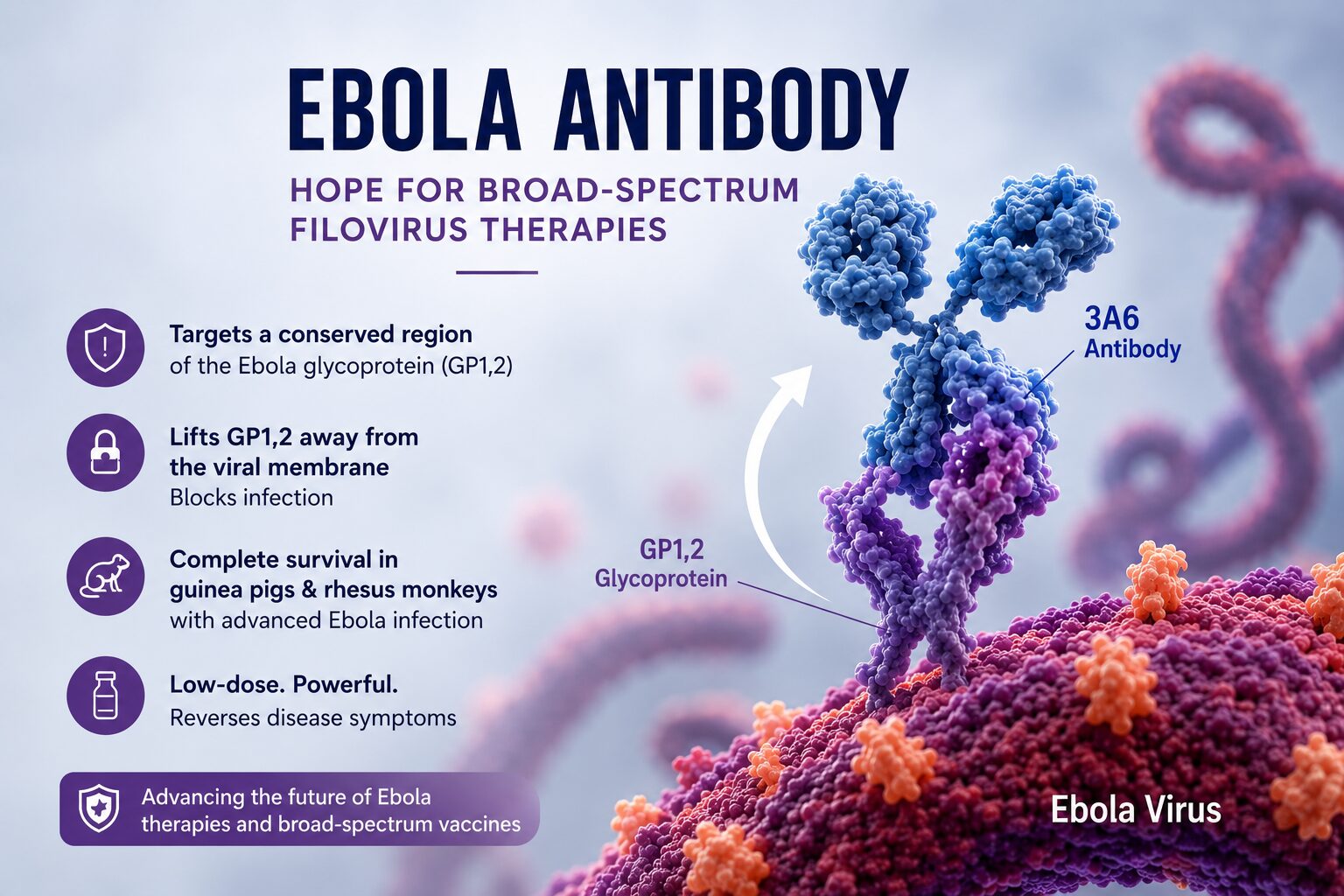
Monoclonal antibody 3A6 (mAb 3A6) is finding its way as a promising and powerful therapy protection against Ebola virus disease by targeting a conserved region of the Ebola glycoprotein. mAb 3A6 binds to a GP1,2 glycoprotein and “lifts” it away from the viral membrane, blocking the infection. In guinea pigs and rhesus monkeys with advanced Ebola infection and high viral loads, low dose mAb 3A6 treatment achieved complete survival and reversed disease symptoms. These findings could guide development of more effective, lower-cost Ebola therapies and broad-spectrum filovirus vaccines.

New Low-Dose Ebola Monoclonal Antibody Offers Hope for Future Broad-Spectrum Filovirus Therapies Read More »

Metabolic Abnormalities and Omega-3 Deficiency Linked to Early Psychosis Risk in Young Adults

Metabolic Abnormalities and Omega-3 Deficiency Linked to Early Psychosis Risk in Young Adults

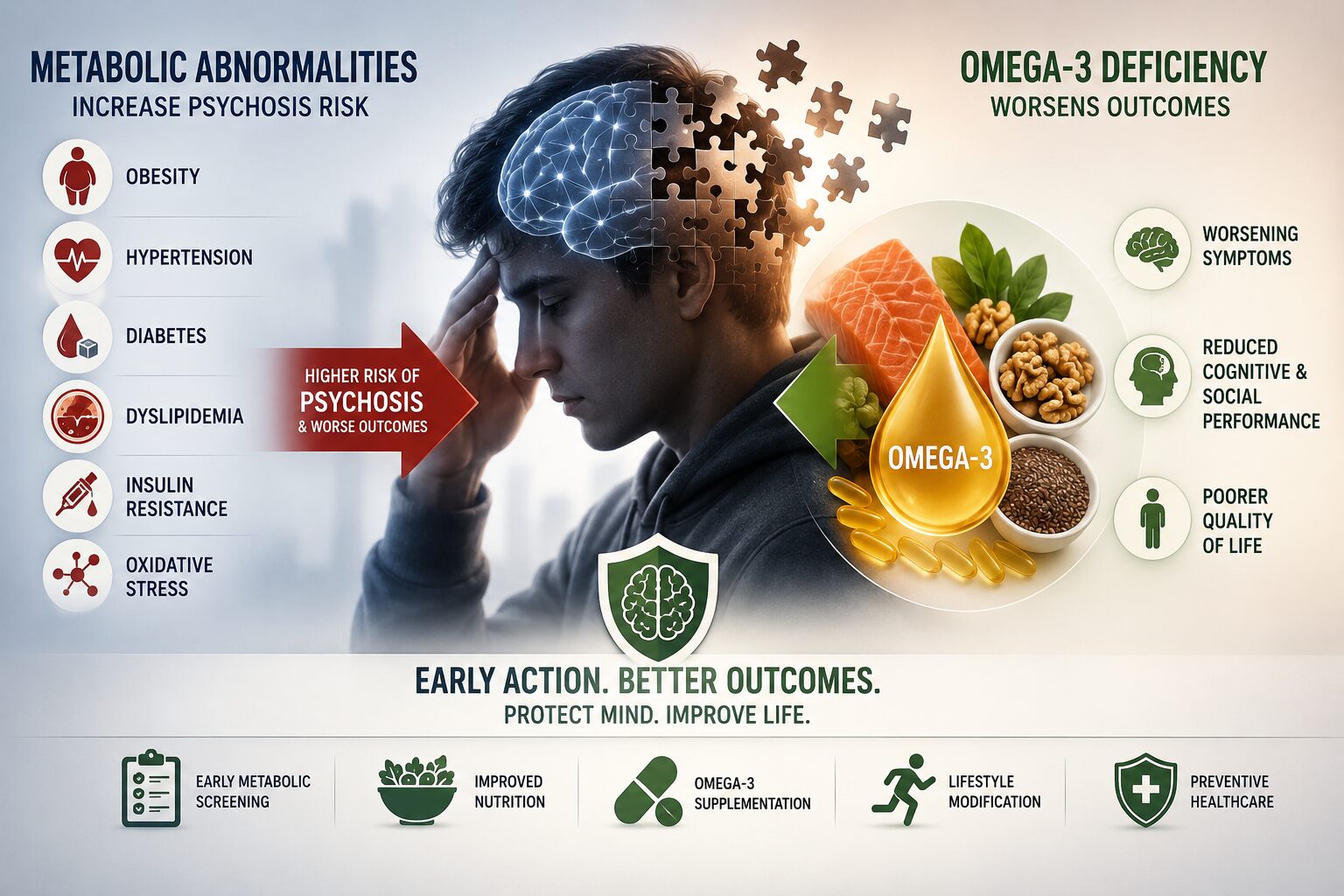
Metabolic abnormalities such as obesity, hypertension, diabetes, dyslipidemia, insulin resistance, and elevated oxidative stress are found to be associated with the risk of psychosis, symptom severity, and impaired daily functioning. In addition, low dietary Omega-3 fatty acid is strongly linked to worsening psychiatric symptoms, reduced cognitive and social performance, and poorer overall quality of life. Early metabolic screening, improved nutrition, Omega-3 supplementation, lifestyle modification, and preventive healthcare strategies may play a vital role in reducing psychosis risk, enhancing brain health, and improving long-term mental and physical health outcomes.

Metabolic Abnormalities and Omega-3 Deficiency Linked to Early Psychosis Risk in Young Adults Read More »

Myo-Inositol and Folic Acid: A Safe and Effective Treatment for PCOS-Related Infertility

Myo-Inositol and Folic Acid: A Safe and Effective Treatment for PCOS-Related Infertility

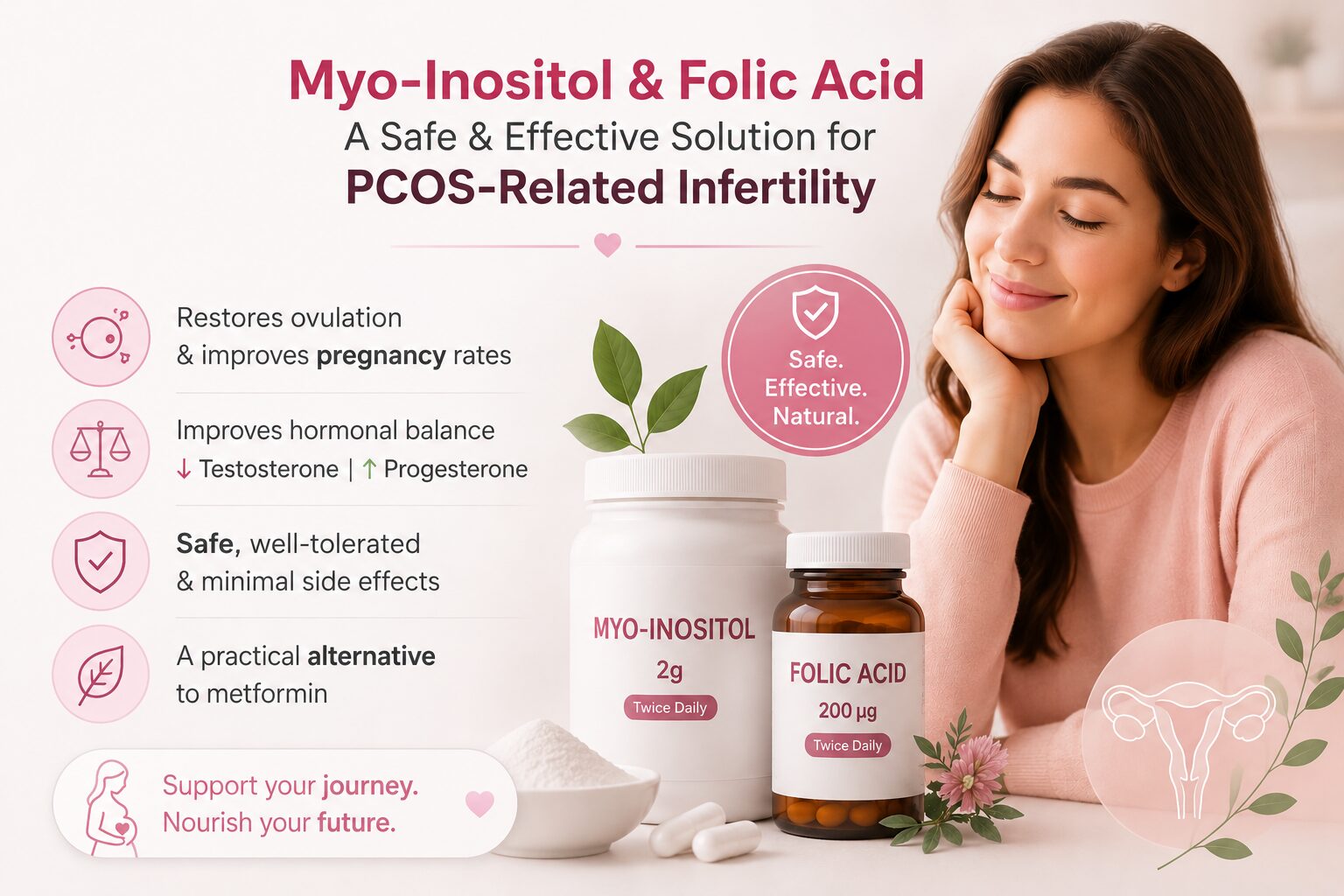
An observational study provides strong evidence that myo-Inositol and folic acid supplements offer a safe and effective treatment approach for women with Polycystic Ovary Syndrome (PCOS). The research found that taking 2 grams of myo-inositol and 200 μg of folic acid twice daily for 2–3 months helps to restore ovulation and improve pregnancy rates in women struggling with PCOS-related infertility. The treatment significantly improves hormonal balance by lowering testosterone levels and increasing progesterone levels. Most importantly, no major side effects are observed, making myo-inositol and folic acid a practical, well-tolerated, and effective alternative to metformin for managing PCOS infertility.

Myo-Inositol and Folic Acid: A Safe and Effective Treatment for PCOS-Related Infertility Read More »

Ivermectin as a promising precision medicine against cancer

Ivermectin as a promising precision medicine against ovarian cancer

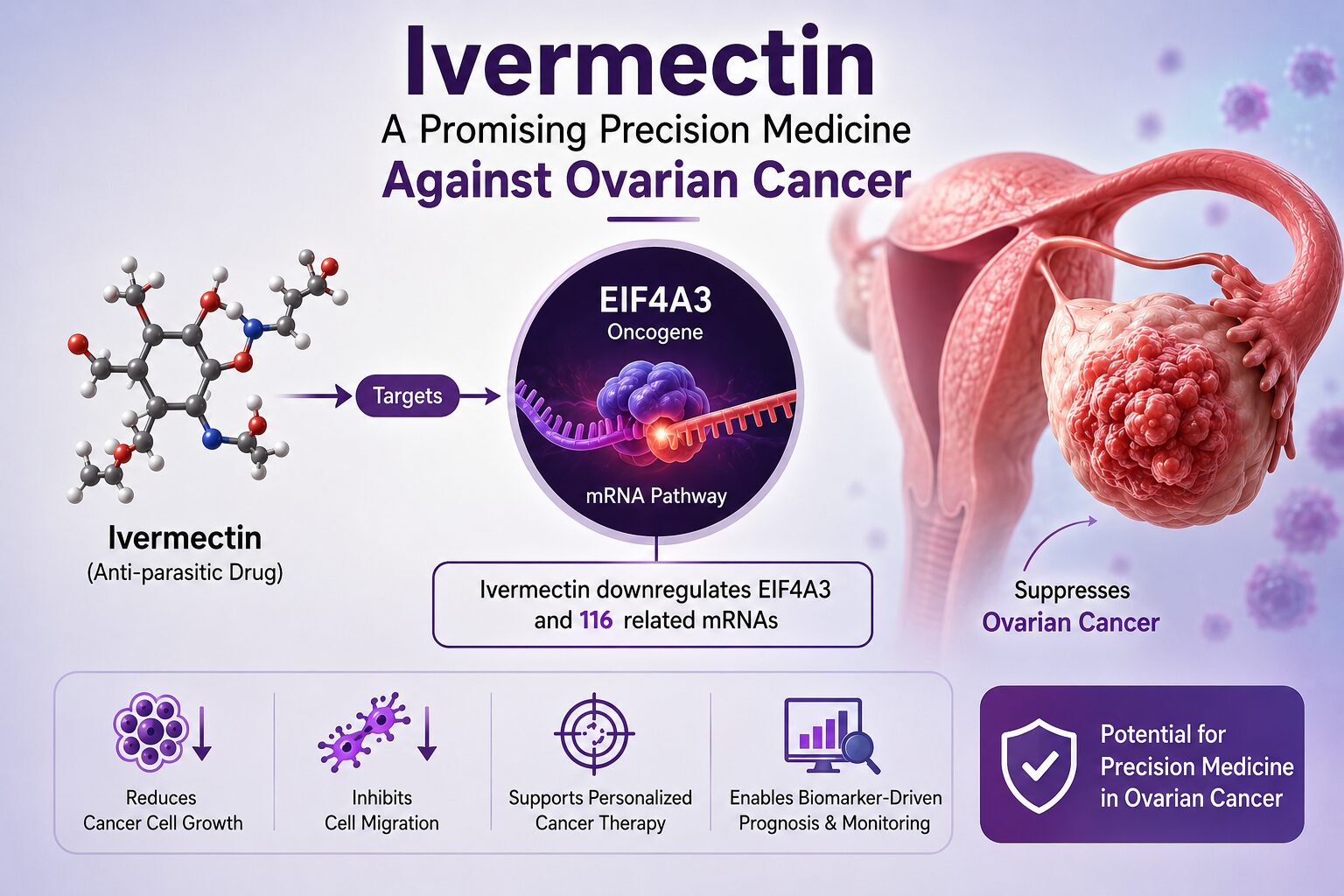
Ivermectin, widely used as an anti-parasitic drug, suppress ovarian cancer by targeting mRNA pathway of oncogene EIF4A3 which is responsible for the growth glioblastoma, hepatocellular carcinoma (liver cancer), pancreatic cancer, ovarian cancer, breast cancer, lung cancer, and bladder cancer. Ivermectin reduced cancer cell growth and migration while downregulating EIF4A3 and 116 related mRNAs. The findings suggest ivermectin has potential as a personalized ovarian cancer therapy and may support biomarker-driven prognosis and treatment monitoring.

Ivermectin as a promising precision medicine against ovarian cancer Read More »

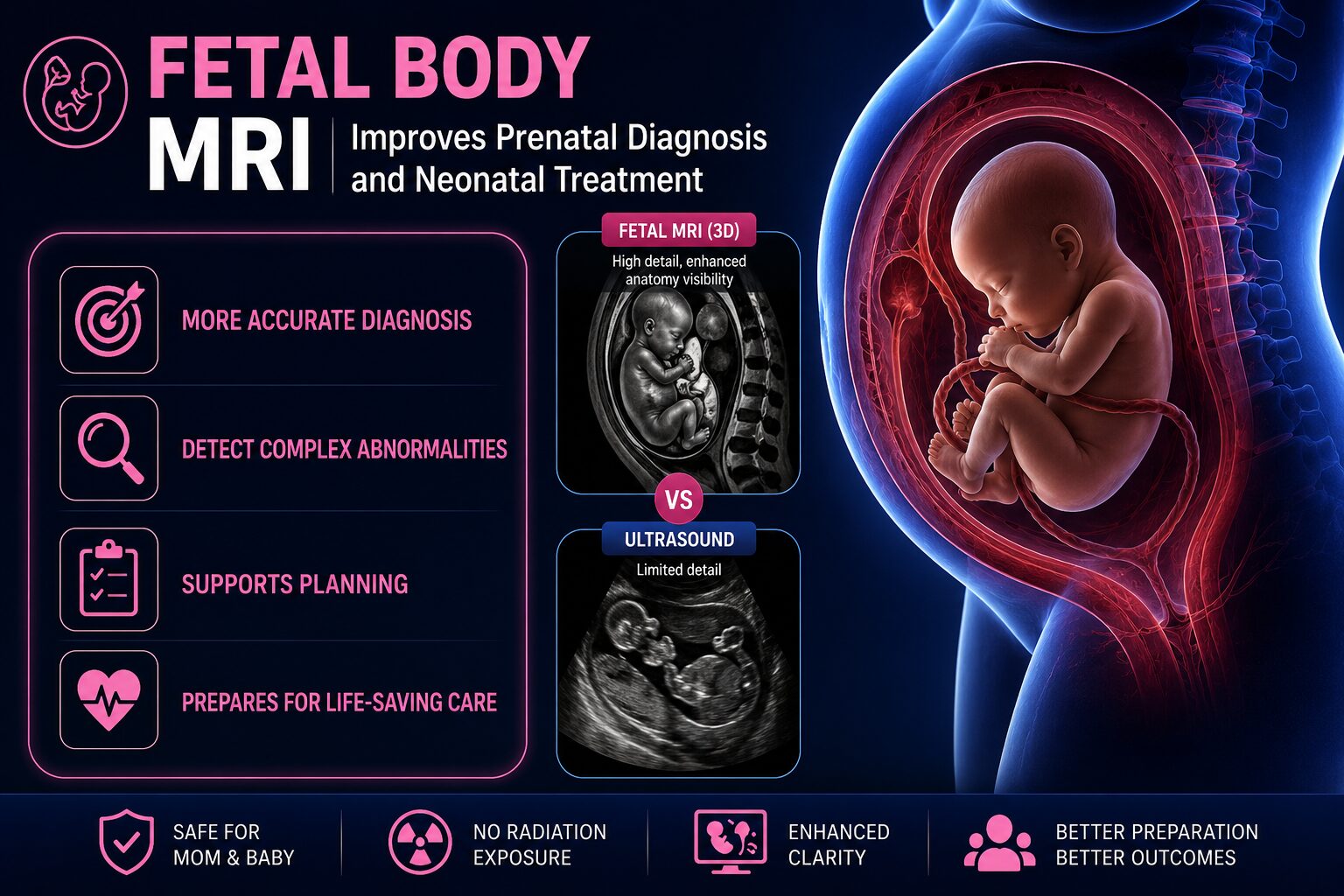
Fetal Body MRI improves the diagnosis of fetal abnormalities

Fetal Body MRI Improves Prenatal Diagnosis and Neonatal Treatment

Fetal body MRI is improving prenatal diagnosis and neonatal treatment planning for congenital abnormalities. The motion-corrected 3D images obtained from MRI enhance the visualisation of fetal anatomy compared to traditional ultrasound alone and aids to determine atypical fetal position, reduced amniotic fluid volume, or high maternal body-mass index. Fetal MRI enables more accurate diagnosis, improves detection of complex abnormalities, supports surgical and delivery planning, and helps clinicians prepare for life-saving neonatal interventions such as airway management procedures, and improves outcomes for newborns with congenital conditions.

Fetal Body MRI Improves Prenatal Diagnosis and Neonatal Treatment Read More »

st 2

Welcome to Sci-Tech Bulletin

Sign up to receive awesome content in your inbox every week.

We don’t spam! Read our privacy policy for more info.

Scroll to Top