Bundibugyo Ebola virus vaccine shows life-saving potential post-exposure
Outbreak of Ebola Bundibugyo virus
Ebola viruses are among the world’s deadliest infectious diseases, causing severe hemorrhagic fever outbreaks with mortality rates reaching up to 90% in some strains. Among the other different strains of Ebola including Zaire ebolavirus, Sudan ebolavirus, Bundibugyo virus (BDBV), and Taï Forest ebolavirus, Bundibugyo virus has caused multiple outbreaks in Central and West Africa. A Recent outbreak of the BDBV in 2026, have reported mortality rates of up to 40%. In the Democratic Republic of the Congo (DRC), the BDBV outbreak resulted in an estimated 223 deaths among nearly 900 suspected cases, highlighting the urgent need for effective vaccines and rapid post-exposure treatment strategies.
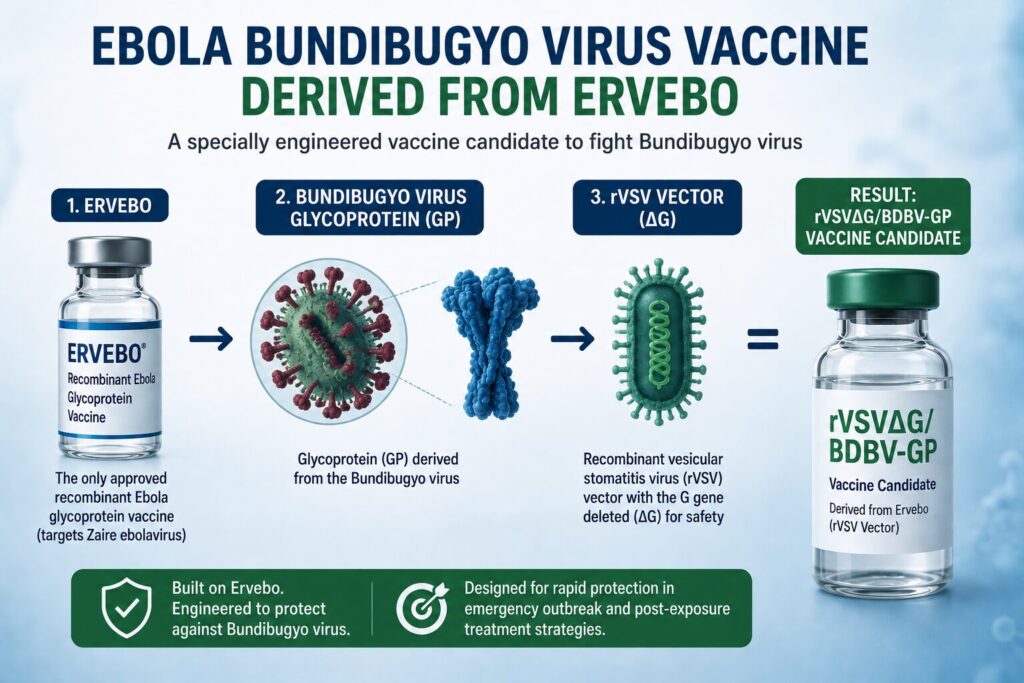
To date, the only approved vaccine developed against the Ebola virus is the recombinant Ebola glycoprotein vaccine, Ervebo, which specifically targets the Zaire ebolavirus strain. However, there are still very limited approved therapeutic and vaccine options available for infections caused by the Bundibugyo virus (BDBV), highlighting a critical gap in global outbreak preparedness and treatment capabilities.
To address this growing public health challenge, researchers from the University of Texas Medical Branch and Boston University collaborated to evaluate a specially engineered vaccine candidate known as rVSVΔG/BDBV-GP. This vaccine is derived from the Bundibugyo virus glycoprotein. It is derived from Ervebo vaccine, consisting of a recombinant vesicular stomatitis virus (rVSV) vector. The study aimed to determine whether this vaccine could provide rapid protection against Bundibugyo virus (BDBV) infection even when administered shortly after exposure, offering new hope for emergency outbreak response and post-exposure treatment strategies.
Survival benefit of Ebola Bundibugyo virus vaccine
A highly controlled non-human primate study was conducted using cynomolgus macaques, which closely mimic human Ebola disease progression. This approach is widely recognized as one of the most reliable animal models for evaluating filovirus vaccines and therapeutics.
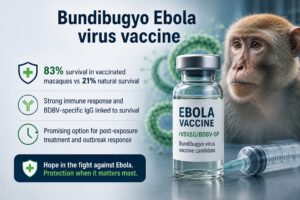
When six of the seven adult cynomolgus macaques, infected with Bundibugyo virus, received experimental rVSVΔG/BDBV-GP vaccine, 5 of them survived Bundibugyo virus infection, representing an 83% survival rate. In contrast, untreated animals historically show survival rates of only around 21–23% in this disease model. This dramatic improvement demonstrates the vaccine’s strong therapeutic potential when administered shortly after exposure.
During the study, experimental monkeys were monitored for over a 28-days, carefully tracking:
- Survival rates
- Clinical symptoms
- Viral load levels using (RT-qPCR) assays
- Immune system responses
- Blood chemistry changes
- Histopathological tissue damage
- Gene expression patterns using RNA sequencing on peripheral blood mononuclear cells (PBMCs).
In addition, advanced bioinformatic pipelines analyzed gene expression changes associated with infection and immune activation. The transcriptomic data revealed how specific immune pathways were activated after vaccination and during viral infection.
Fatal symptoms of Ebola Bundibugyo virus infection
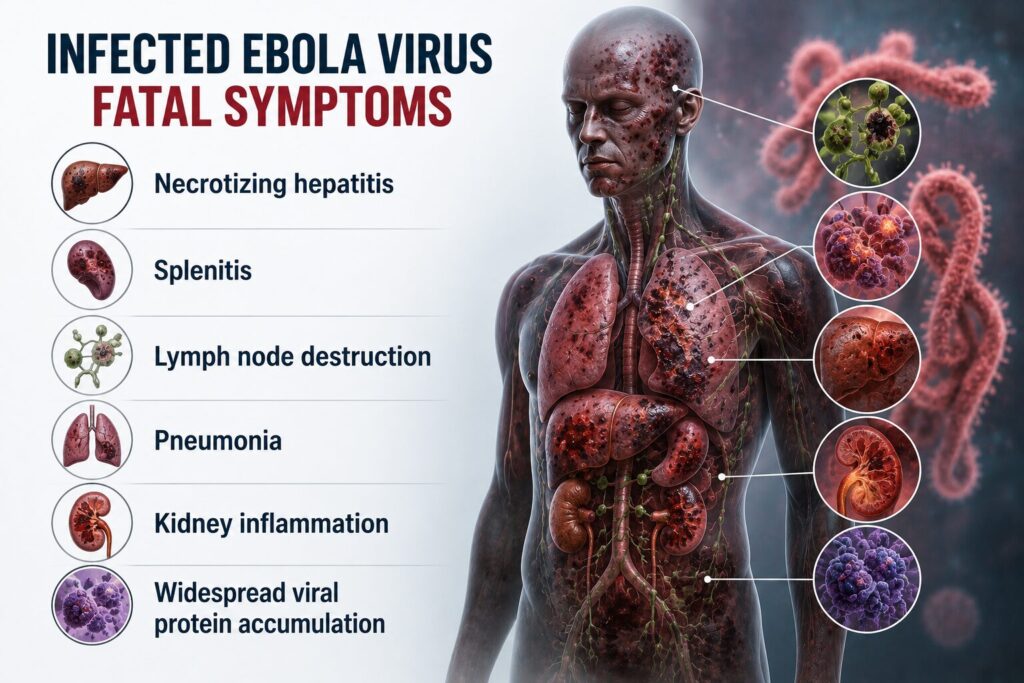
After histopathological examinations, vaccinated animals displayed minimal tissue damage and no significant viral antigen labelling in major organs, in contrast to fatal cases which exhibited:
- Necrotizing hepatitis
- Splenitis
- Lymph node destruction
- Pneumonia
- Kidney inflammation
- Widespread viral protein accumulation
How Immune responses aid survival from Ebola Bundibugyo virus infection
Immunological assays measured:
- BDBV glycoprotein-specific IgM antibodies
- BDBV glycoprotein-specific IgG antibodies
- Innate immune signaling markers
- Interferon-stimulated gene activity
All the treated animals developed an early innate immune response characterized by rapid activation of interferon-stimulated genes (ISGs) while being free from severe disease, demonstrating strong early immune signaling at just one day post-infection.
Key immune markers identified post BDBC infection includes:
- ISG15
- CXCL10
- CCL2
- CXCR1
- MMP8
- S100A8
These biomarkers may eventually help clinicians predict treatment success in human patients.
How Antibody Responses Determine Survival post Ebola Bundibugyo virus infection
Both IgM and IgG antibodies were identified against the Bundibugyo virus glycoprotein. Strong IgG responses were developed in the vaccinated animals between 5-7 days after infection. Notably, animal that died failed to produce substantial IgG antibodies, suggesting role of successful adaptive immune activation in recovery post-infection.
Future Insights
The emerging unpredictable nature of Ebola outbreaks means rapid-response medical countermeasures are essential. The practical implications of this study are substantial, particularly for epidemic preparedness and emergency outbreak containment.
- Emergency Post-Exposure Protection
One of the most promising applications is rapid post-exposure vaccination for healthcare workers, laboratory personnel, and close contacts exposed during outbreaks. Instead of relying solely on preventive vaccination before exposure, healthcare systems may eventually use rVSV-based vaccines as emergency interventions immediately after suspected exposure.
- Ring Vaccination Strategies
The study supports the use of ring vaccination strategies during Ebola outbreaks, where close contacts of infected individuals are vaccinated rapidly to contain transmission. This approach proved highly effective during previous Ebola outbreaks and could become even more powerful with vaccines capable of post-exposure protection.
- Broader Filovirus Preparedness
Notably, rVSV-based vaccines have already shown protection against:
- Ebola virus (EBOV)
- Sudan virus (SUDV)
- Marburg virus (MARV)
The successful extension to Bundibugyo virus demonstrates the broader versatility of this vaccine platform.
- Biomarker-Guided Treatment Monitoring
The identification of critical early immune biomarkers could help clinicians monitor treatment effectiveness in real time. Transcriptomic signatures and antibody profiles may eventually support personalized treatment strategies during future outbreaks.
In addition to these highly encouraging outcomes of Bundibugyo virus vaccine, additional studies may focus on larger animal studies, human clinical trials, vaccine optimization for long-term immunity and identification of new potential biomarkers for treatment success.